
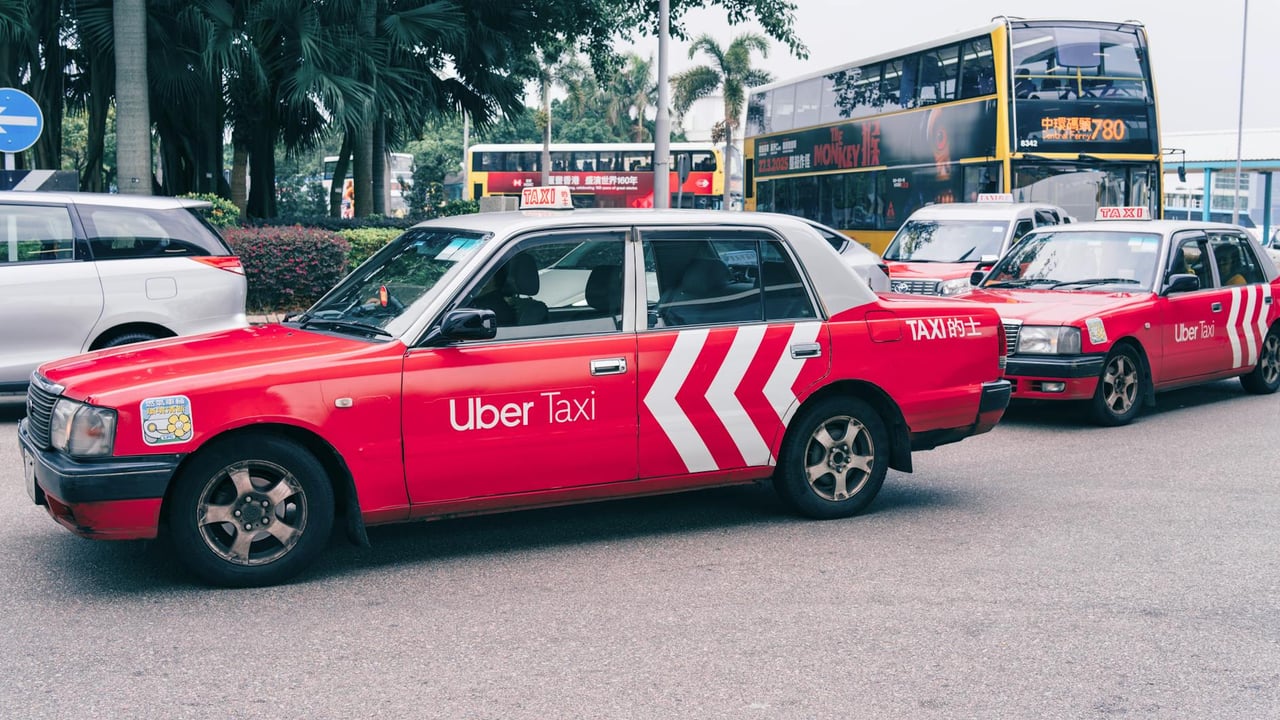

For over a decade, Hong Kong has remained one of the few global financial hubs where ride-hailing services like Uber operated in a persistent legal twilight. The government has finally moved to codify this sector, unveiling a regulatory framework that seeks to legitimize digital platforms while strictly controlling their growth. By introducing a formal permit system, authorities hope to bridge the gap between traditional taxi operators and the modern digital economy.
The centerpiece of the new policy is a cap on ride-hailing permits, currently set at 10,000 vehicles. This figure was reached after government modeling suggested that a cautious starting point would maintain existing service levels without overwhelming the city's already congested road network. Platforms seeking to operate legally must also pay a steep annual fee of HK$1.2 million, a cost designed to ensure that only serious, well-capitalized players enter the market.
This regulation is a calculated attempt to stabilize the city's traditional taxi industry, which has seen its license values plummet from a peak of HK$7 million to roughly HK$2 million. For years, the taxi lobby has protested against 'white-plate' cars—private vehicles used for hire without permits—claiming they represented unfair competition. Under the new rules, all ride-hailing vehicles must be registered to specific individuals and meet stringent insurance and safety standards, effectively ending the era of unregulated freelance driving.
The implementation timeline is ambitious, with the government expected to start accepting platform applications in the third quarter of 2024. By August 2025, the grace period will end, and any platform or driver operating without the requisite licenses will face severe penalties, including vehicle impoundment. To promote a level playing field, the government will also introduce a unified driver examination for both taxi and ride-hailing operators, signaling a long-term goal of professionalizing the entire point-to-point transport sector.