Sovereignty and Sea Lanes: Beijing Reasserts Control as Dutch Warship Transits Paracels

A Dutch warship's transit through the Paracel Islands has triggered a military response from China’s People’s Liberation Army, which claimed to have expelled the vessel. The incident highlights growing European naval involvement in the South China Sea and Beijing’s hardening resolve to enforce its maritime claims against Western powers.

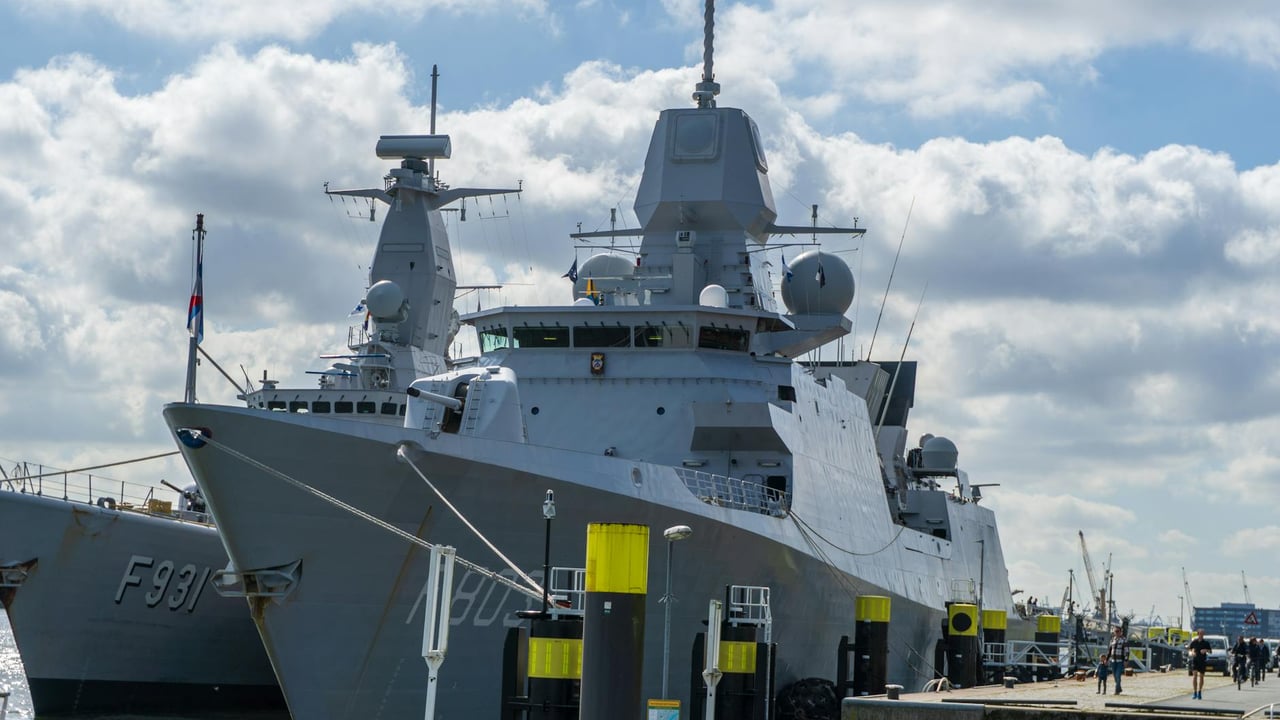
A modern naval warship moored at the port of Rotterdam under a blue sky with clouds.

Key Takeaways

  • 1The PLA Southern Theater Command conducted a 'warning and expulsion' operation against a Dutch naval vessel near the Paracel (Xisha) Islands.
  • 2China officially labeled the transit an 'illegal intrusion' and a violation of its sovereign territorial waters.
  • 3The incident marks a strategic shift as European powers like the Netherlands increase their presence in the Indo-Pacific to challenge Chinese maritime dominance.
  • 4The encounter reflects the deepening divide between Beijing's domestic maritime laws and the international community's interpretation of the UN Convention on the Law of the Sea.

Editor's
Desk

Strategic Analysis

This encounter signifies a departure from the era when South China Sea disputes were primarily a regional affair between Beijing and Southeast Asian claimants. By aggressively shadowing a Dutch vessel, the PLA is signaling to NATO members that it will not tolerate 'extra-regional' interference in what it considers its backyard. For the Netherlands and its allies, the challenge is to maintain a credible presence that upholds the principle of Freedom of Navigation without triggering a kinetic escalation that could destabilize the world's most critical shipping lanes. The frequency of these 'near-misses' suggests that the maritime status quo is becoming increasingly fragile.

China Daily Brief Editorial
Strategic Insight
China Daily Brief

In a fresh escalation of maritime friction, the People’s Liberation Army (PLA) recently intercepted a Dutch naval vessel navigating the contested waters of the Paracel Islands. Beijing characterized the transit as an illegal intrusion into its territorial sea, marking another contentious chapter in the increasingly crowded and militarized South China Sea.

The PLA Southern Theater Command reportedly deployed air and sea assets to shadow and eventually warn off the Dutch frigate. This encounter underscores China's uncompromising stance on the Xisha Islands, which it treats as sovereign territory despite long-standing overlapping claims from regional neighbors and international challenges to its expansive maritime assertions.

The presence of a Dutch warship so far from its home ports reflects a broader European pivot to the Indo-Pacific. EU member states are increasingly aligning with Washington’s maritime strategy, seeking to protect global trade routes and signal commitment to a rules-based international order that Beijing is accused of undermining.

As these naval interactions become more frequent and assertive, the risk of tactical miscalculation remains a primary concern for regional stability. While Beijing views these patrols as provocative violations of domestic law, Western capitals maintain that such missions are essential to ensuring that international waters remain open to all nations.

Share Article

Related Articles

📰
No related articles found