
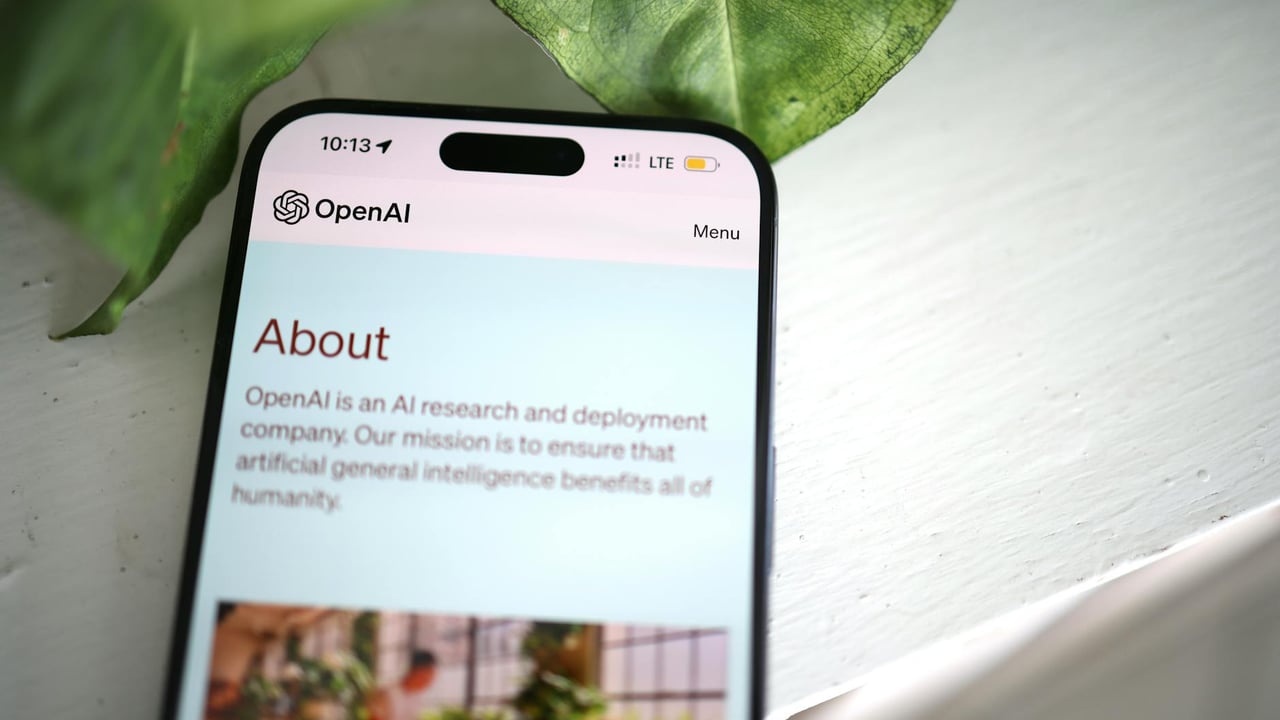

The era of private tech hegemony is reaching a significant turning point as Wall Street’s heavyweights—mutual funds and passive index behemoths—begin clearing the decks for what could be the largest initial public offerings in financial history. This strategic retreat from established large-cap positions signals a profound shift in market concentration. The gravitational pull of Elon Musk’s SpaceX and Sam Altman’s OpenAI has begun to bend the orbits of global capital long before they have even hit the trading floor.
The catalysts for this reshuffling are recent regulatory and procedural shifts within major index providers. Both the Nasdaq-100 and the S&P 500 have refined their criteria to accelerate the inclusion of newly listed "mega-cap" companies. John Flood, a senior executive at Goldman Sachs, has noted that these new protocols are specifically designed to absorb massive valuations into the public market structure far faster than traditional rules allowed, potentially forcing passive funds to liquidate existing holdings to maintain index weightings.
For global investors, this represents more than a simple portfolio adjustment; it is a formal recognition of new industrial paradigms in hardware and software. SpaceX, with its dominance in satellite communications and orbital transport, and OpenAI, the standard-bearer for generative artificial intelligence, have reached private valuations that already dwarf many established S&P 500 members. Their eventual public debut will require a massive redistribution of liquidity, putting downward pressure on the tech "old guard" while setting new benchmarks for valuation.
The ripple effects will likely be felt across the entire equity ecosystem as the market prepares for these heavyweight listings. Fund managers are anticipating a period of increased volatility in current large-cap stocks as capital seeks a new equilibrium. This transition suggests that the venture-backed world is finally ready to merge its most successful experiments with the rigorous demands of public trading, fundamentally altering the landscape of passive investment for the coming decade.