

For a brief moment in late 2025, Insta360 was the darling of China’s STAR Market. Valued at over 150 billion yuan and hailed as the 'next DJI,' the company dominated more than half of the global panoramic camera market. Yet, in just eight months, the narrative has curdled. Since its peak in September 2025, the company’s stock has plummeted by over 50%, wiping out roughly 80 billion yuan (US$11 billion) in market value as investors grapple with a sobering reality: growth does not always equal profit.
The company’s latest financial disclosures reveal a startling paradox of 'thriving' sales and 'dying' margins. In 2025, revenue surged by nearly 75% to 9.74 billion yuan, yet net profit actually contracted. The situation worsened in the first quarter of 2026, where an 83% revenue spike was met with a devastating 52% drop in net profit. Most alarming is the collapse of the company’s net margin, which withered from a healthy 22.8% in 2023 to a razor-thin 1.3% in early 2026.
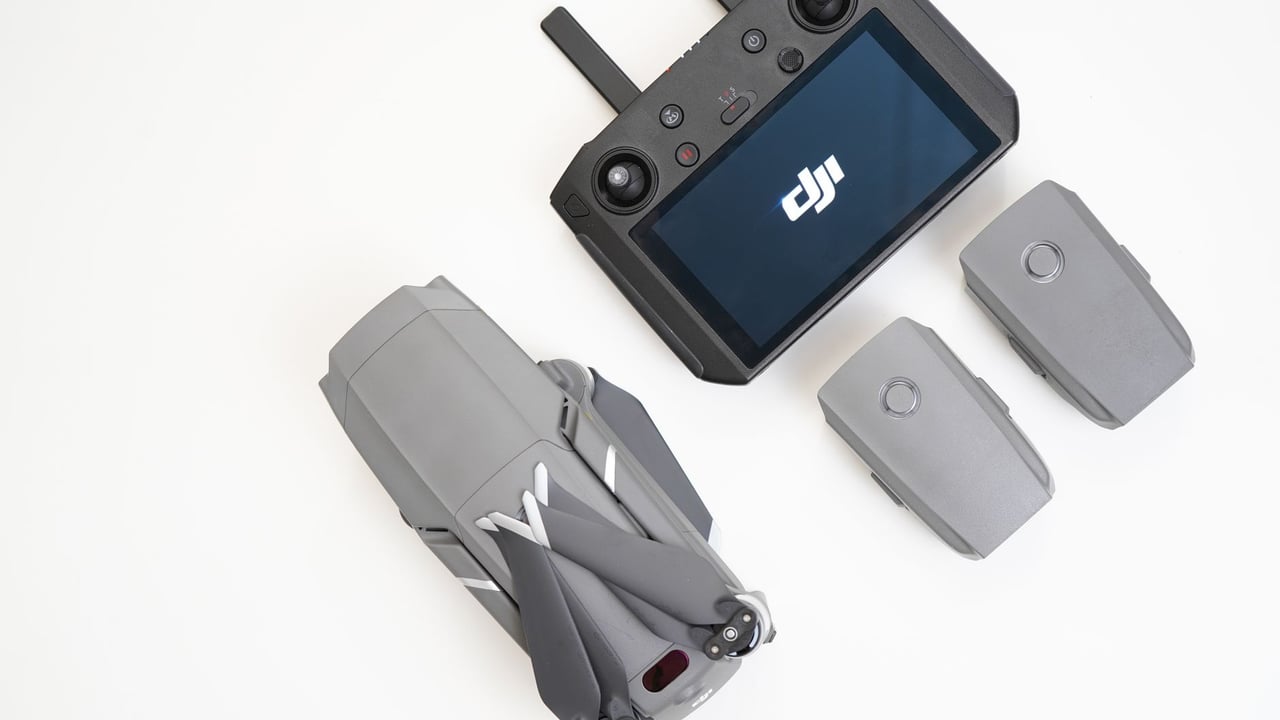
This financial erosion is the direct result of a 'suffocating squeeze' by DJI. The drone giant, long a dormant observer of the niche 360-camera space, launched its Osmo 360 in July 2025 at a price point that undercut Insta360’s flagship models. Within three months, DJI seized nearly half of the domestic market. Unlike Insta360, which relies on a vertical product line, DJI operates a platform ecosystem, allowing it to subsidize aggressive price wars in specific categories with profits from its dominant drone business.
Insta360 is attempting to spend its way out of this corner, but the costs are staggering. R&D spending in 2025 doubled, nearly matching the total investment of the previous three years combined. The company is pivoting toward custom silicon and even entering the drone market to challenge DJI on its home turf. However, this 'all-in' gamble on new hardware categories like the Luna gimbal camera and the shadow of the 'GoPro trap'—where a hardware pioneer is eventually outpaced by ecosystem-driven rivals—hangs heavy over its valuation.
Further complicating the recovery is Insta360’s heavy reliance on international markets, which account for roughly 70% of its revenue. This global footprint, once its greatest strength, now exposes the firm to intensifying geopolitical headwinds, rising tariff costs, and the persistent threat of patent litigation from legacy players. For Insta360, the transition from a niche 'export winner' to a resilient global tech titan is proving to be a much more expensive and perilous journey than the markets originally anticipated.