

The dramatic collapse of Jiangsu Sanfangxiang poly-materials (ticker 600370.SH) has sent shockwaves through the A-share market, illustrating the precarious nature of investing in China’s troubled industrial sector. Since resuming trade on April 30, the stock—recently rebranded as *ST Sanfang to signal delisting risk—has suffered an unprecedented 14 consecutive limit-down sessions. The carnage has wiped out more than 50% of the company's market value in less than a month, leaving shares languishing at a mere 1.29 RMB.
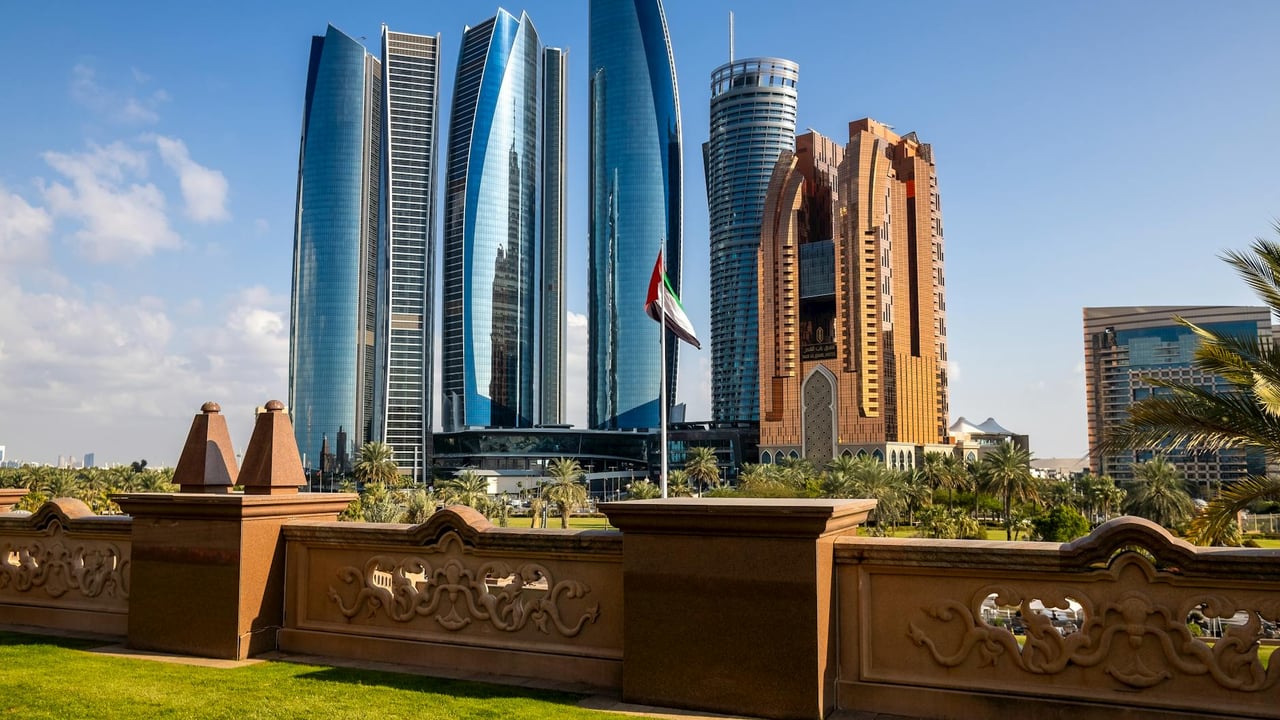
This collapse is more than just another corporate failure; it has caught one of the world’s most sophisticated institutional investors in its wake. The Abu Dhabi Investment Authority (ADIA), a sovereign wealth fund known for its strategic global allocations, appears as a top-ten shareholder in the company's recent filings. The presence of Middle Eastern capital in a firm now facing forced delisting highlights the 'valuation traps' that exist within China’s manufacturing base, where even massive scale cannot always offset deteriorating governance and shifting regulatory sands.
The immediate catalyst for the freefall was a scathing audit of the 2025 financial report. Beijing Dehao International Accounting Firm issued a 'disclaimer of opinion,' stating it could not verify the accuracy of the company’s financial statements, alongside a negative opinion on internal controls. In the current regulatory climate under the China Securities Regulatory Commission’s (CSRC) 'New Nine Measures,' such auditor warnings are increasingly becoming the death knell for listed companies, as Beijing moves to purge 'zombie firms' and low-quality stocks from the bourse.
Compounding the company's woes is a governance crisis at the top. The controlling shareholder, Sanfangxiang Group, is currently mired in financial contract disputes, leading local courts to order the auction of nearly 10% of the company's total equity to settle debts. With the parent company’s assets frozen and the subsidiary reporting a staggering net loss of 885 million RMB for 2025, the firm’s core business in polyester chips and PTA is failing to generate the cash flow necessary to sustain its listed status.
While the company reported a modest profit in the first quarter of 2026, market confidence remains shattered. The disconnect between the optimistic 'bottom-fishing' strategies of foreign sovereign funds and the harsh reality of Chinese corporate insolvency suggests a period of painful adjustment. For global investors, *ST Sanfang serves as a cautionary tale: in the new era of A-share regulation, even the backing of a 'Middle Eastern tycoon' offers no protection against the structural risks of internal control failures and predatory debt cycles.