European Power in the Paracels: Dutch Naval Encounter Challenges China's South China Sea Red Lines

A Dutch warship's entry into the Paracel Islands has sparked a military response from China, highlighting the increasing presence of European naval forces in contested Indo-Pacific waters. The incident underscores rising tensions as NATO-aligned nations challenge Beijing's maritime sovereignty claims.

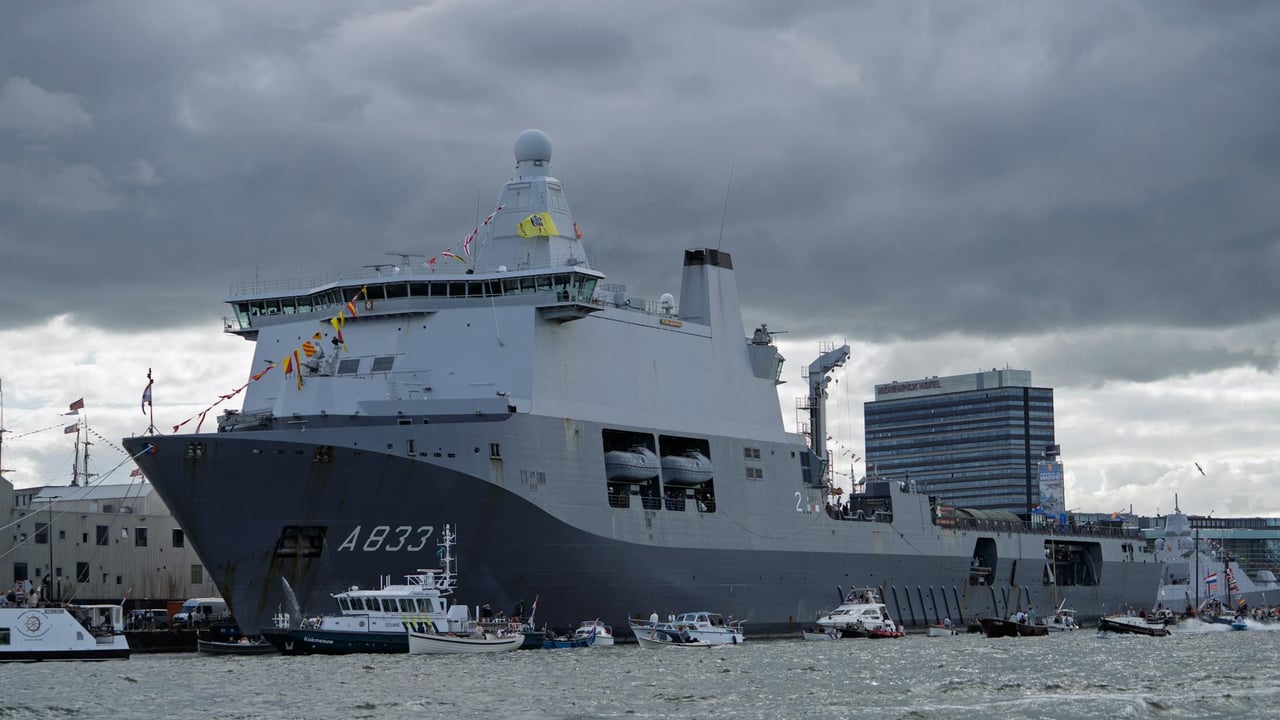
A large navy ship A833 docked in a busy harbor with smaller boats and cloudy skies.

Key Takeaways

  • 1The PLA Navy intercepted and expelled a Dutch warship near the Paracel Islands (Xisha Islands) on May 27, 2026.
  • 2Beijing officially characterized the Dutch naval movement as an 'illegal intrusion' into its territorial waters.
  • 3The incident signifies a growing trend of European involvement in Indo-Pacific maritime security and Freedom of Navigation Operations.
  • 4The confrontation reflects a hardening of China's 'gray zone' tactics to deter non-regional military presence.

Editor's
Desk

Strategic Analysis

The entry of a Dutch vessel into the Paracels signifies the 'internationalization' of the South China Sea dispute, moving it beyond a bilateral U.S.-China friction point. By involving middle powers from Europe, the West is attempting to create a multilateral front against Beijing’s maritime assertiveness. However, this strategy carries the risk of a 'crowded theater,' where the density of different naval assets increases the statistical likelihood of a kinetic incident. Beijing is likely to use this event to justify further militarization of its outposts, framing its actions as necessary defense against 'extra-regional' interference.

China Daily Brief Editorial
Strategic Insight
China Daily Brief

The recent encounter between a Dutch naval vessel and the People’s Liberation Army (PLA) in the Paracel Islands marks a significant escalation in European maritime involvement in the Indo-Pacific. According to reports from Chinese state media, the PLA moved to intercept and expel the Dutch warship after it allegedly entered waters claimed by Beijing as its sovereign territory. This incident represents a growing trend of non-regional actors testing the limits of China’s maritime claims.

While the Netherlands has not historically been a primary player in South China Sea disputes, its participation reflects a broader shift within the European Union and NATO to address security concerns in the region. These maneuvers, often characterized as Freedom of Navigation Operations (FONOPs), are designed to challenge what the West perceives as excessive maritime claims and to uphold international law under the UN Convention on the Law of the Sea (UNCLOS).

Beijing’s response—described as forcing the vessel away—demonstrates its unwavering stance on the Xisha (Paracel) Islands, which it has occupied and fortified over several decades. For the PLA, the presence of a European warship in these sensitive waters is not merely a tactical nuisance but a strategic provocation that threatens the domestic narrative of undisputed regional hegemony.

The incident highlights the shrinking space for diplomatic ambiguity as European nations increasingly align their Indo-Pacific strategies with those of the United States. As more middle powers like the Netherlands deploy assets to these contested waters, the risk of accidental collision or miscalculation grows, further complicating the already fragile security architecture of Southeast Asia.

Share Article

Related Articles

📰
No related articles found