Taking Wing: China’s C919 Surpasses 5 Million Passenger Milestone in Third Year of Service

China’s domestically produced C919 jet has hit a major milestone, carrying 5 million passengers and serving 23 cities within its first three years of commercial operation. This success underscores Beijing's progress in challenging the Boeing-Airbus duopoly, even as the aircraft remains dependent on Western engine technology.

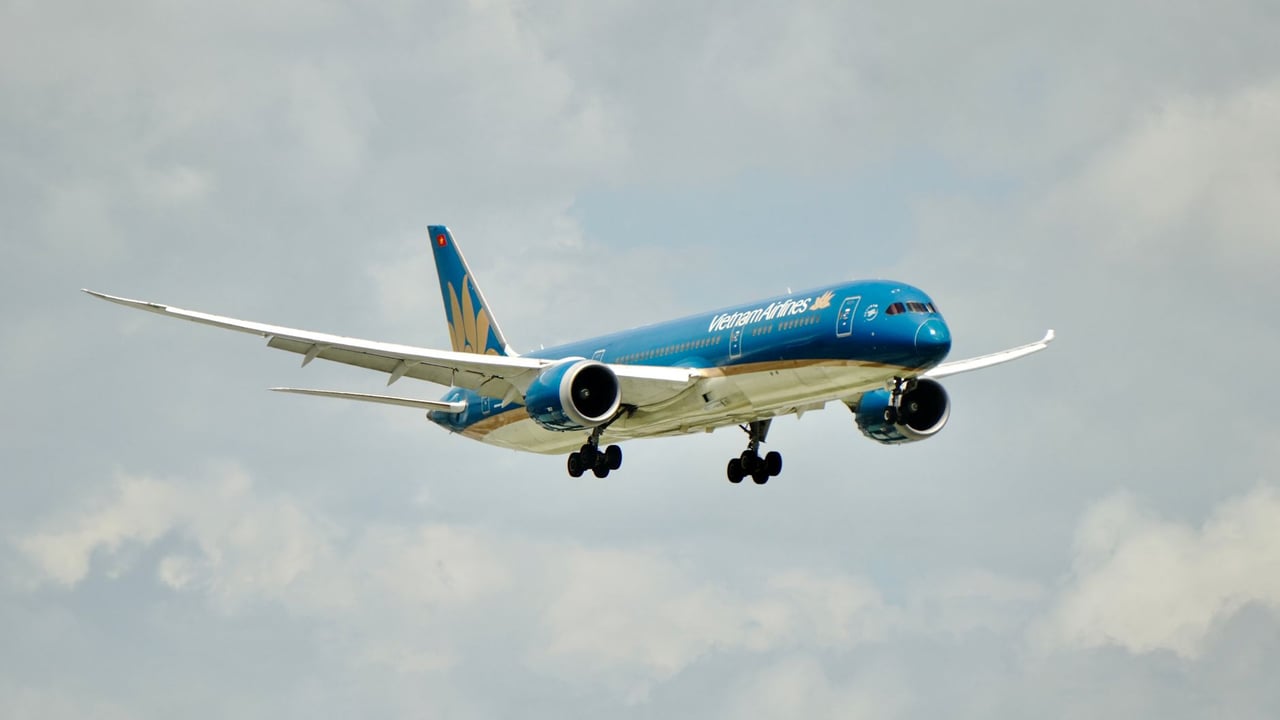
A Vietnam Airlines Boeing 787 flying against a cloudy sky, showcasing aviation and travel.

Key Takeaways

  • 1The C919 has carried over 5 million passengers since its commercial debut in May 2023.
  • 2The aircraft now connects 23 cities across China, proving its operational reliability.
  • 3COMAC is successfully using a captive domestic market to build flight hours and safety data.
  • 4Despite airframe success, the jet still relies heavily on Western-made components like engines.
  • 5The milestone occurs amidst a global narrow-body aircraft shortage, providing a strategic opening for China.

Editor's
Desk

Strategic Analysis

The 5-million-passenger milestone is less about the number and more about the 'normalization' of Chinese aerospace. For decades, the industry questioned whether COMAC could produce a jet that was both safe and commercially efficient. By maintaining a clean safety record over three years and 23 routes, China has moved past the 'experimental' phase. The strategic 'So What?' lies in the timing: with Boeing’s reputation tarnished and Airbus sold out for years, the C919 is becoming an increasingly attractive insurance policy for global leasing companies and non-aligned nations. The next battleground will not be the airframe itself, but the domestic development of the CJ-1000A engine to achieve true technological sovereignty.

China Daily Brief Editorial
Strategic Insight
China Daily Brief

China’s ambitious foray into the global aviation market has reached a significant operational milestone. Three years after its inaugural commercial flight, the COMAC C919 has officially transported over five million passengers. According to data released by the Commercial Aircraft Corporation of China (COMAC), the narrow-body jet now services 23 cities across the country, signaling its transition from a prestige project to a functional pillar of domestic air travel.

This achievement comes at a critical juncture for the global aerospace industry. As Boeing continues to grapple with quality control issues and Airbus faces mounting delivery backlogs, Beijing is positioning the C919 as a viable alternative to the long-standing Western duopoly. While the five-million-passenger figure is a fraction of the traffic handled by its rivals, it represents a steady and safe operational ramp-up that is essential for building international confidence.

The domestic success of the C919 is a cornerstone of China's broader 'Made in China 2025' initiative, which aims to reduce reliance on foreign technology. However, the program still navigates a complex geopolitical landscape. While the airframe is Chinese, many critical components—most notably the LEAP-1C engines produced by CFM International—remain sourced from Western suppliers, leaving the program vulnerable to potential export restrictions.

Looking ahead, COMAC is focusing on expanding production capacity and securing international certifications, particularly from European regulators. By integrating the C919 into the fleets of major state-owned carriers like China Eastern, Air China, and China Southern, Beijing is creating a captive market that ensures the aircraft's economic viability while it prepares for future entry into the global export market.

Share Article

Related Articles

📰
No related articles found