
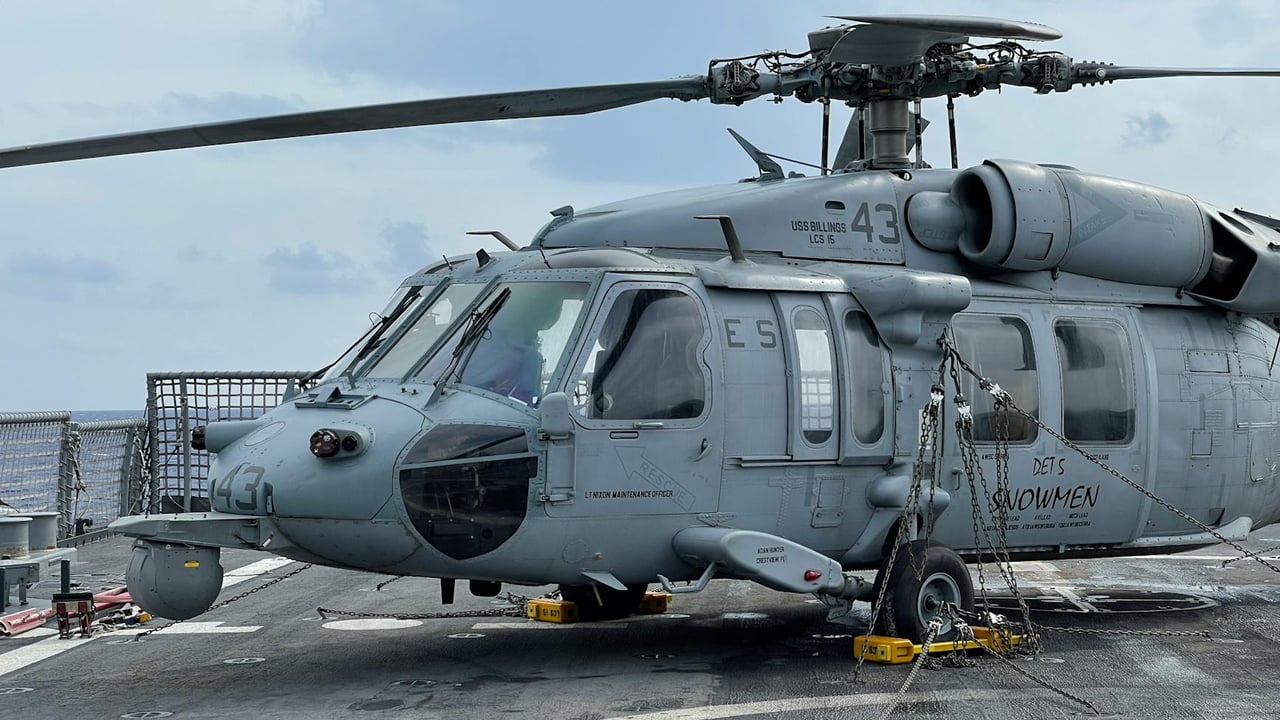

The operational reality in the Strait of Hormuz has increasingly diverged from the official diplomatic rhetoric coming out of Washington. While the public face of American maritime security, dubbed 'Operation Freedom,' remains officially suspended, the US Navy is reportedly conducting a series of 'quiet' interventions. These clandestine escorts represent a tactical pivot intended to secure the world's most vital energy chokepoint without triggering a broader regional conflagration.
A primary example of this low-profile strategy is the recent passage of a Greek-flagged supertanker carrying two million barrels of crude oil. Having been effectively trapped in the Persian Gulf since early March, the vessel was finally guided through the Omani coast toward India under the discreet protection of US naval assets. This move signals that while the formal program is on ice, the mandate to protect commercial shipping remains an active priority for Central Command.
The shift to unofficial operations is largely a byproduct of diplomatic friction within the Gulf alliance. Reports indicate that Saudi Arabia was deeply dissatisfied with a perceived lack of coordination when 'Operation Freedom' was first announced, leading Riyadh to deny the US military use of its bases and airspace for the mission. This regional pushback forced the White House to publicly pause the initiative to avoid a total breakdown in relations with its primary Arab partner.
By operating in the shadows, the US Navy attempts to satisfy two conflicting goals: maintaining the flow of global commerce and avoiding a direct provocation of Tehran. A high-profile, named operation could be interpreted by Iran as an act of escalation, whereas the current 'quiet' assistance allows for the same tactical outcome with significantly less political risk. The coming days are expected to see at least ten more vessels, ranging from tankers to container ships, receive similar unofficial guidance.