

The structural architecture of European security is facing a significant tremor as the United States signals a substantial reduction in the military hardware it pledges to NATO during times of crisis. According to recent communiqués from a special envoy to the U.S. Secretary of Defense, Washington plans to slash the number of fighter jets available for alliance contingencies by one-third, while the commitment of strategic bombers is set to be halved. This move marks a departure from the post-Cold War expectation of an ever-present American aerial shield over the European continent.
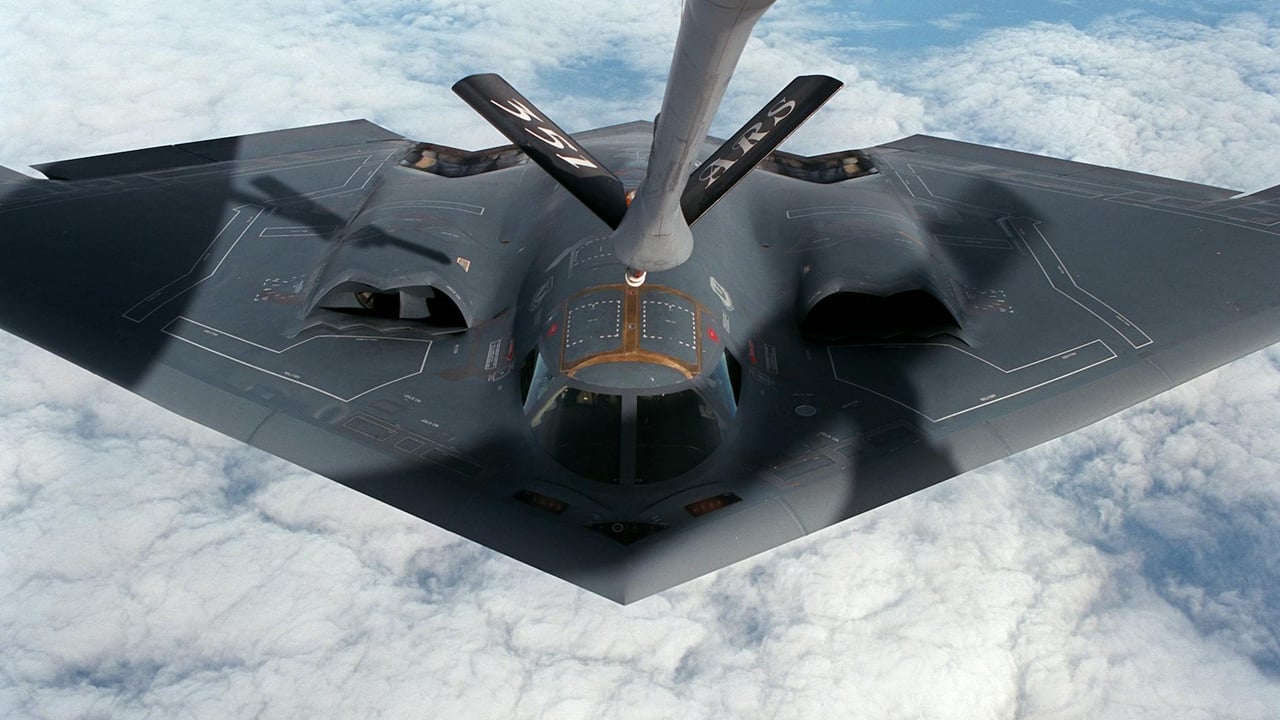
Currently, the U.S. Air Force maintains its long-range strike capability in Europe through the Bomber Task Force (BTF) model rather than permanent stationing. These rotations involve B-1B Lancers, B-2 Spirits, and B-52 Stratofortresses cycling through RAF Fairford in the United Kingdom, supported by forward operating sites in Spain and Germany. By halving this availability, the Pentagon is effectively signaling that the 'blank check' of American strategic reach is being revised in favor of more flexible, albeit thinner, global positioning.
The timing of this reduction is particularly poignant given the ongoing security anxieties along NATO’s eastern flank. While the U.S. continues to modernize its fleet, the domestic strain of maintaining high readiness levels across multiple theaters is clearly taking its toll. This shift suggests a prioritization of the Indo-Pacific region, where the threat of a high-end maritime and aerial conflict requires the consolidation of the very assets now being withdrawn from the European theater.
European capitals now face a stark choice: accelerate the development of indigenous 'Strategic Autonomy' or accept a diminished deterrent capability. For years, the U.S. has urged its allies to bolster their own air power and long-range strike capabilities. This drawdown may be the most forceful nudge yet, transforming a long-standing diplomatic request into a pressing military necessity as the American security umbrella begins to fold its edges.