

For decades, Lianhua Holdings was the undisputed monarch of the Chinese kitchen, defining the nation’s flavor profile as its largest producer of monosodium glutamate (MSG). However, the company’s recent attempt to trade seasoning for silicon has hit a localized technical recession. Despite a series of high-profile pivots into artificial intelligence and high-performance computing, the market’s appetite for Lianhua’s tech-driven transformation appears to have soured, culminating in a sharp limit-down drop in its share price.
The latest catalyst for investor skepticism was the company’s announcement of a 300 million RMB investment in Shanghai StepFun, an AI startup founded by former Microsoft Vice President Jiang Daxin. While the move was framed as an effort to close the loop on a 'full-chain' AI strategy—spanning from hardware rental to foundational models—investors reacted with a wave of selling. The market is increasingly wary of traditional industrial firms attempting to leapfrog into the capital-intensive world of generative AI without the requisite technical DNA.
Lianhua’s pivot was born of necessity rather than mere opportunism. As Chinese consumers shifted toward healthier alternatives like chicken essence and complex compound seasonings, the 'MSG King' saw its margins evaporate and its survival threatened, leading to a court-ordered restructuring in 2019. Under new management, the firm sought a 'second growth curve' in the compute rental market, a sector that has seen a gold-rush mentality in China following global breakthroughs in large language models.
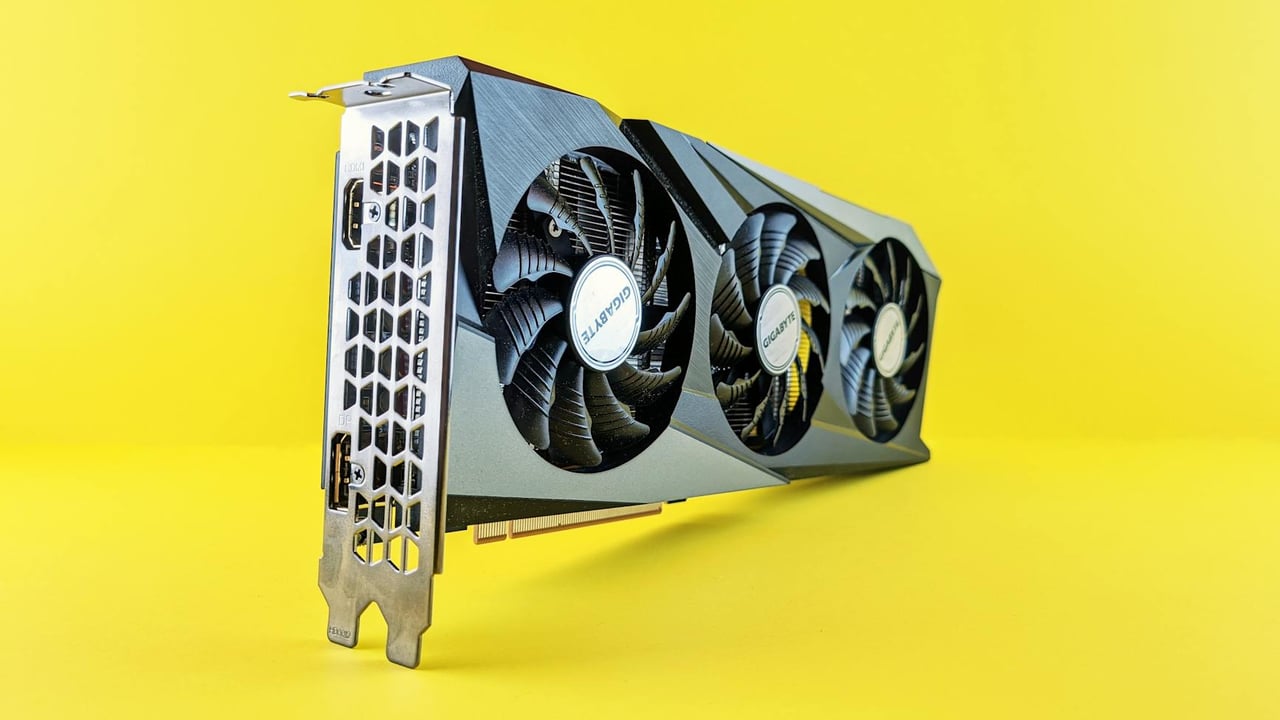
Yet, the reality of this transition has been plagued by execution failures. The company’s ambitious plans to deploy hundreds of Nvidia H800 GPU servers have largely stalled due to supply chain bottlenecks and procurement terminations. Of the 330 servers promised in 2023, only a dozen were delivered, leading to the cancellation of contracts worth over 500 million RMB. By the end of the last fiscal year, computing services accounted for a negligible 3.53% of total revenue and remained deeply in the red.
The divergence between Lianhua’s high-tech rhetoric and its operational reality is stark. While the company has dabbled in semiconductor materials and AI workstations, its balance sheet remains tethered to the very amino acid business it is trying to outrun. For a company funded largely by external debt to chase a cutting-edge tech cycle, the margin for error is razor-thin, and the market is no longer willing to value MSG at AI multiples.