The ICE Age Meltdown: China’s Petrol Car Market Enters a Death Spiral Despite Record Discounts

China's internal combustion engine (ICE) vehicle market is facing a structural crisis as massive price cuts of up to 37% fail to revitalize slumping sales. With electric vehicle penetration soaring past 60%, traditional automakers are struggling with record inventory levels and a fundamental shift in consumer behavior that threatens the long-term viability of gas-powered cars.

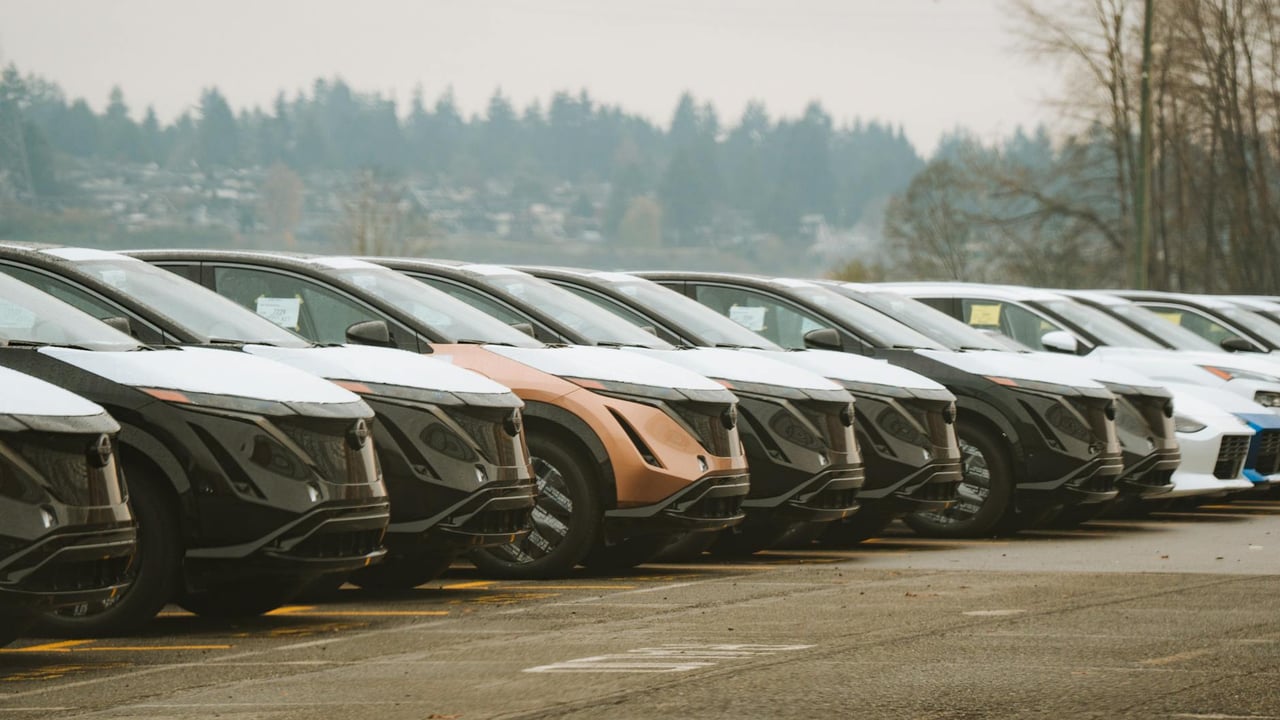
Rows of sleek electric cars parked outdoors, showcasing automotive design and innovation.

Key Takeaways

  • 1Internal combustion engine (ICE) vehicles are seeing price drops of 25% to 37% across luxury, joint-venture, and domestic brands.
  • 2Despite aggressive discounts, ICE sales fell 37% in April 2026, while New Energy Vehicle (NEV) penetration reached a record 61.4%.
  • 3Auto dealer inventory levels have hit a critical warning stage, particularly for joint-venture brands like Volkswagen and Nissan.
  • 4Rising domestic fuel costs are further accelerating the consumer shift toward electric vehicles.
  • 5Analysts predict ICE vehicles will be relegated to a niche category by 2030, retaining only 20% of the Chinese market.

Editor's
Desk

Strategic Analysis

The collapse of ICE pricing in China represents more than just a price war; it is a profound structural realignment of the world's largest auto market. The 'Joint Venture' model, which dominated China for decades, is effectively crumbling as these legacy entities struggle to pivot their massive ICE production capacity toward a market that has moved on. The fact that a 40% discount cannot stabilize sales suggests that for the Chinese consumer, the internal combustion engine is no longer just 'expensive'—it is increasingly viewed as an obsolete technology. This transition is likely to trigger a wave of consolidation and dealership bankruptcies as the industry moves toward a future where traditional fuel is the exception rather than the rule.

China Daily Brief Editorial
Strategic Insight
China Daily Brief

In the showrooms of suburban Shanghai, the atmosphere is less one of a sales floor and more of a liquidation site. A Honda Civic, once a prestige symbol for the middle class with a 170,000 RMB price tag, now sits on the lot for barely 90,000 RMB. This dramatic price erosion is not an isolated event but a symptom of a broader fire sale sweeping across China’s automotive landscape.

From luxury mainstays like BMW and Mercedes-Benz to workhorse brands like Volkswagen and Nissan, the internal combustion engine (ICE) is being priced for obsolescence. Despite these desperate measures, the numbers tell a grim story of a market in structural decline. In April 2026, retail sales of traditional fuel vehicles plunged 37% year-on-year, even as average discounts reached record highs across the entire segment.

The primary disruptor is the relentless rise of New Energy Vehicles (NEVs), which now command over 61% of the market. Consumers are no longer just comparing prices; they are weighing the long-term costs of fuel against the technological allure and lower operating expenses of electric mobility. This shift has left traditional automakers with a surplus of hardware that few modern Chinese buyers seem to want.

Dealers are bearing the brunt of this transition, with inventory levels for joint-venture brands reaching 2.24 times their monthly sales. This figure sits dangerously above the industry warning line of 1.5, indicating a massive capital logjam that threatens the survival of traditional retail networks. Many dealerships are currently selling cars at a loss simply to maintain liquidity and clear aging stock.

Industry experts predict this is not a temporary marketing tactic but a permanent downsizing of the ICE sector. As fuel prices remain volatile and production lines pivot toward electrification, the gas-powered car is expected to become a niche product. Current projections suggest ICE vehicles may hold as little as 20% of the total market share by 2030, marking the end of a century-long era.

Share Article

Related Articles

📰
No related articles found