
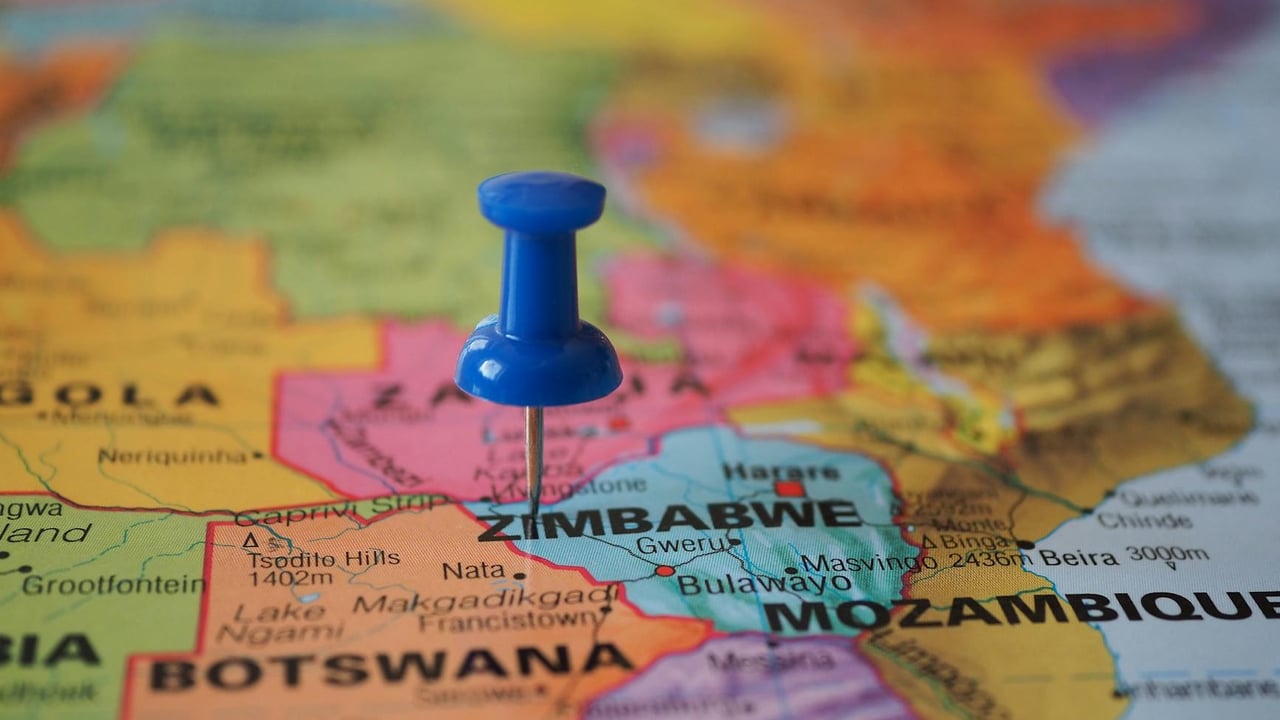

Zimbabwe is signaling a bold shift toward resource nationalism by designating lithium and 13 other minerals as "critical," effectively ending the era of unfettered raw ore exports. Under a new "Mineral Classification and Declaration" framework, the government will mandate state ownership in mining projects through a state-run Special Purpose Vehicle (SPV). This policy shift is a direct attempt to force foreign investors to build local processing facilities and share equity with the state, moving Zimbabwe up the value chain of the global green energy transition.
The move is a calculated imitation of Indonesia’s successful "nickel roadmap," which leveraged export bans to force the development of a domestic refining industry. While Harare has yet to finalize the exact percentage of mandatory state shareholding, the framework establishes a clear ultimatum: no entity may mine these critical minerals without the state as a co-owner. This list of protected resources extends beyond lithium to include cobalt, nickel, graphite, and copper—the very building blocks of the modern electric vehicle (EV) battery.
For China, the stakes are uniquely high. Zimbabwe is projected to produce roughly 10% of the world’s lithium by 2025, with the vast majority of its current output destined for Chinese refineries. Major Chinese players, including Sinomine Resource Group and Yahua Group, have already invested hundreds of millions of dollars into the country. While these firms currently report that "old" projects remain unaffected by the new equity mandates, the regulatory environment is visibly tightening, with some existing projects already seeing 15% local government stakes.
Despite the aggressive stance, Zimbabwe’s path to industrialization remains fraught with logistical and infrastructural hurdles. The government must now define specific processing standards and provide a roadmap for companies to transition from ore exporters to industrial refiners. As Harare accelerates its copy-paste of the Indonesian model, the global lithium market is watching to see if a country with significantly less infrastructure can exert the same leverage over Chinese capital that Jakarta did over the nickel industry.