
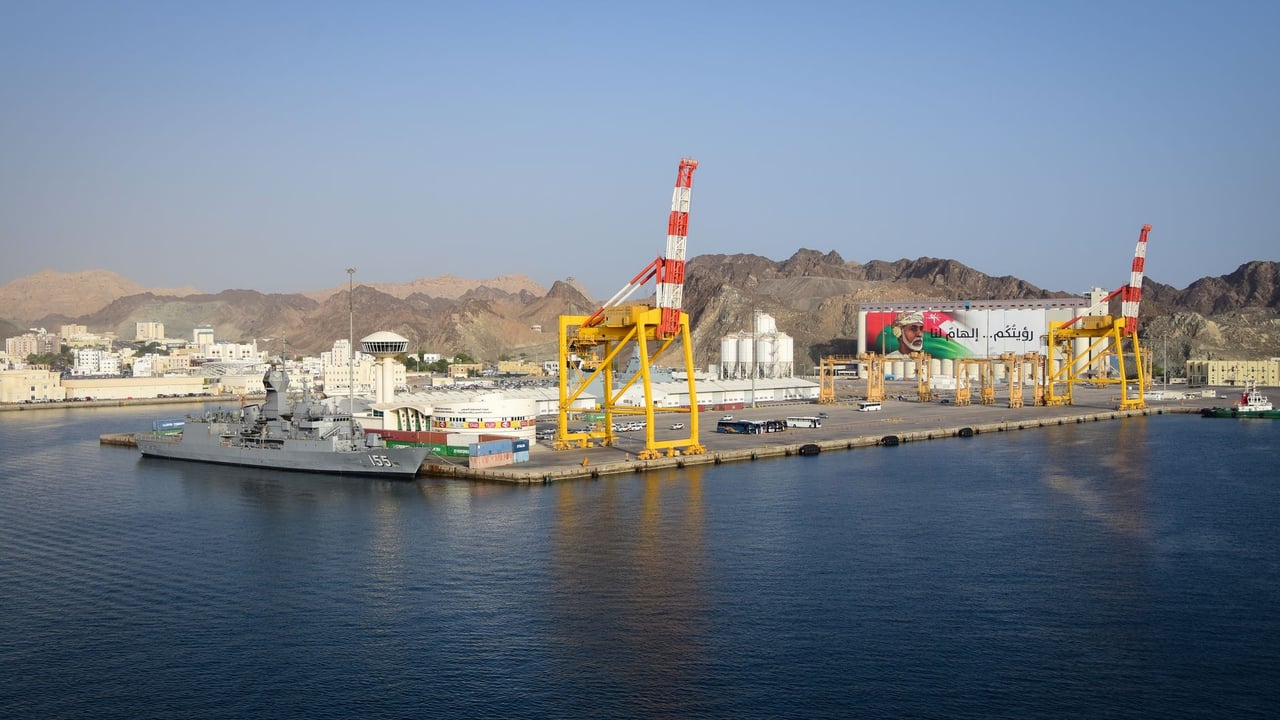

The resurgence of Donald Trump’s 'America First' doctrine has reached a new, volatile crescendo in the Middle East. In a move that has sent shockwaves through the diplomatic community, the U.S. administration has reportedly issued a blunt, militarized warning to Oman, a nation long considered the primary neutral arbiter of the region. This shift from security cooperation to overt threat highlights a fundamental transformation in how Washington manages its traditional alliances.
Historically, the Sultanate of Oman has operated as the 'Switzerland of the Middle East,' maintaining functional ties with both the United States and Iran. However, the current rhetoric from the White House suggests that this middle-path strategy is no longer acceptable to a Washington administration demanding absolute alignment. By threatening military consequences for 'non-compliance,' the administration is dismantling decades of nuanced statecraft in favor of a rigid, transactional loyalty test.
Chinese state media outlets, including Global Times, have been quick to amplify these reports, using the incident to paint the United States as an erratic and predatory hegemon. For Beijing, this narrative serves a dual purpose: it erodes trust in American security guarantees while positioning China as a more stable, non-interfering alternative for Gulf nations. The portrayal of a 'rogue' U.S. leadership is a potent tool in China's broader strategy to expand its influence in the Arabian Peninsula.
This escalation raises critical questions about the future of regional stability and the safety of global energy corridors. If Oman is forced to abandon its role as a diplomatic bridge, the primary channel for de-escalation between the West and Iran could vanish. The risk of a miscalculation in the Strait of Hormuz increases exponentially when traditional allies are managed through coercion rather than consensus.