Shadows Over the Strait: US Strikes Near Bandar Abbas Ignite New Tensions with Iran

US forces have conducted a new round of airstrikes near the Iranian port of Bandar Abbas to neutralize threats against commercial shipping. The move follows recent attempts by Iran to mine the Strait of Hormuz and has led to accusations of ceasefire violations from Tehran.

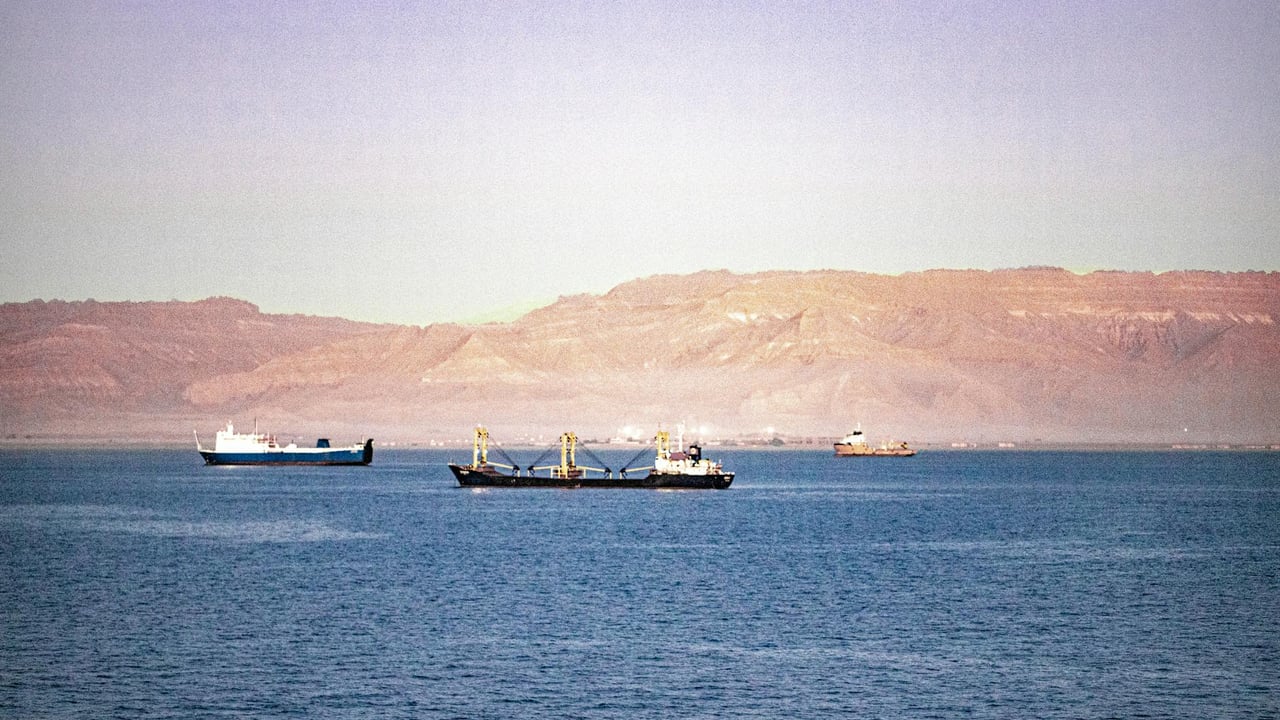
Serene view of cargo ships navigating the Suez Canal with mountains in the background.

Key Takeaways

  • 1US Central Command conducted targeted airstrikes near Bandar Abbas on May 27/28, 2026.
  • 2The strikes were aimed at sites threatening U.S. forces and commercial maritime lanes.
  • 3The engagement follows a prior incident on May 25 where the US disrupted Iranian sea-mining activities.
  • 4Iran has officially accused the United States of violating a standing ceasefire agreement.
  • 5Air defense systems in southern Iran were activated as explosions were reported by local residents.

Editor's
Desk

Strategic Analysis

The resurgence of kinetic activity in the Strait of Hormuz suggests that the deterrent effect of previous diplomatic arrangements has reached its expiration date. By targeting mainland air defense positions alongside maritime assets, the United States is signaling a more aggressive posture designed to preempt Iranian asymmetric tactics, such as sea-mining, before they can disrupt global oil markets. For Iran, these skirmishes serve as a high-stakes reminder of their ability to project power at the world's most sensitive chokepoint, likely as leverage for broader geopolitical concessions. The specific mention of a 'ceasefire violation' by Tehran implies that we are moving out of a period of relative calm into a phase of high-frequency, low-intensity conflict that risks a total collapse of regional stability if miscalculations occur on either side.

China Daily Brief Editorial
Strategic Insight
China Daily Brief

The maritime security of the Strait of Hormuz reached a new flashpoint this week as US forces launched precision airstrikes against Iranian targets near the strategic port of Bandar Abbas. This latest engagement, confirmed by US officials as a defensive measure against threats to commercial shipping and military personnel, marks a significant escalation in a region already simmering with geopolitical friction.

Explosions were reported east of Bandar Abbas in the early hours of May 28, followed by the activation of Iranian air defense systems. These strikes targeted sites deemed critical to Iranian offensive capabilities, specifically those posing a direct risk to the free flow of global trade through one of the world's most vital energy chokepoints.

The operation follows a pattern of increasing kinetic activity, coming just days after a similar engagement on May 25. During that earlier incident, US Central Command neutralized Iranian vessels allegedly attempting to deploy sea mines within the Strait, while also striking air defense batteries on the mainland.

Tehran has responded with sharp rhetoric, accusing Washington of a blatant violation of a recently established ceasefire agreement. While the US maintains that its actions fall under the umbrella of "self-defense," the recurrence of these skirmishes suggests that the diplomatic guardrails intended to prevent a broader conflict are rapidly eroding.

As the US continues to intercept Iranian-made drones and monitor naval movements, the international community watches with growing apprehension. The repeated disruption of the Strait of Hormuz remains a potent lever for Iran, yet the prompt and lethal response from the US suggests a shift toward a "zero-tolerance" policy regarding maritime interference.

Share Article

Related Articles

📰
No related articles found