
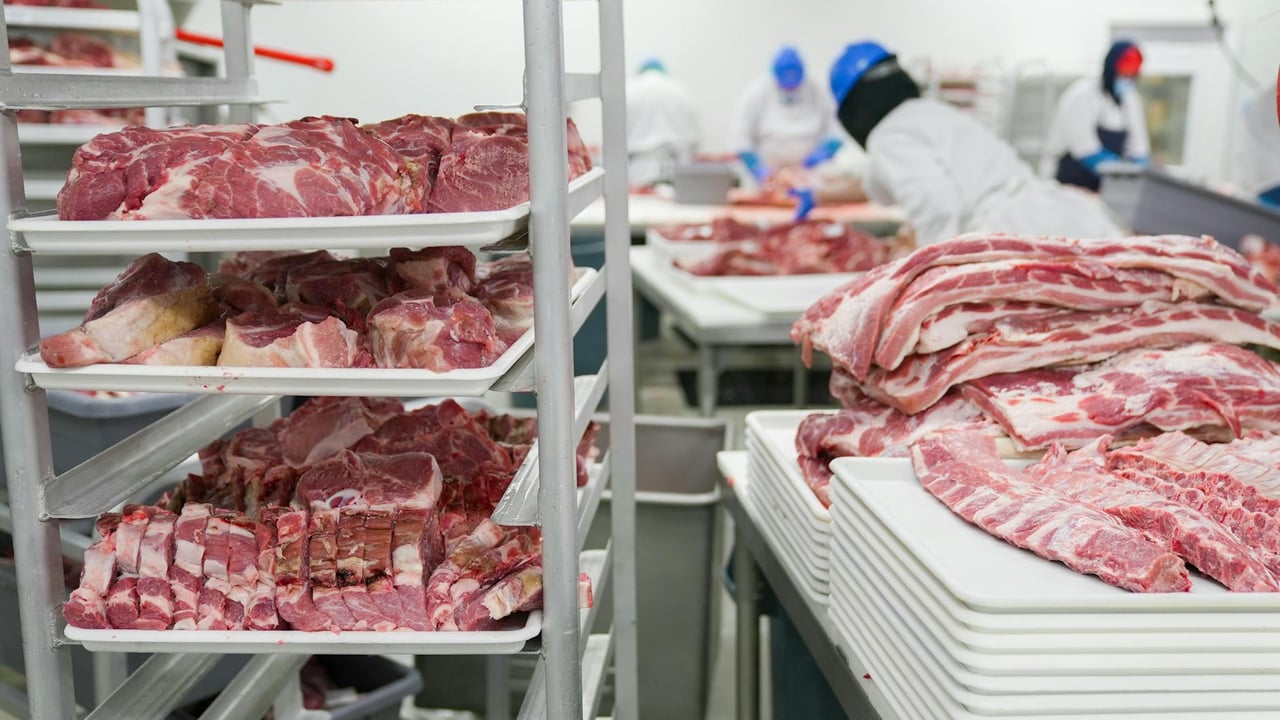

A major food safety scandal has erupted in China’s pork industry, centered on a subsidiary of Shuanghui Development, the country’s largest meat processor. Authorities in Heilongjiang province reported that a batch of pork from Wangkui Shuanghui contained lincomycin—a common antibiotic—at levels 38 times the legal limit. This breach is not merely a statistical outlier; it highlights a systemic failure in one of the world’s most critical protein supply chains.
Shuanghui has responded with a familiar playbook: an apology followed by shifting the blame to "upstream suppliers." The company argues that farmers failed to observe the required withdrawal periods before sending hogs to slaughter. While technically plausible, this defense rings hollow for a conglomerate that has spent over a decade promising to fix its sourcing issues. For the Chinese public, the incident evokes a sense of déjà vu, recalling the 2011 clenbuterol scandal that nearly toppled the firm.
Following that 2011 crisis, Shuanghui’s founder, Wan Long, pledged to integrate vertically, famously stating that wherever a slaughterhouse was built, a controlled farming base would follow. However, fifteen years later, the company remains wedded to an "asset-light" model. By relying on external purchases for the vast majority of its hogs, Shuanghui avoids the high capital costs and volatility of pig farming but loses control over the biological integrity of its raw materials.
Financial disclosures reveal that the Wangkui subsidiary is a highly profitable engine for the group, generating over 70 million RMB in annual profit and supplying essential institutions including schools and nursing homes. Despite investing millions in high-end laboratory equipment to test for residues, the company admitted that lincomycin is not a mandatory item for standard factory-exit inspections. This gap in testing, combined with a fragmented supplier base of over 7,000 small-scale farmers in the local county alone, creates a massive blind spot.
The industry’s resistance to vertical integration is rooted in economics. Shuanghui’s own investor reports suggest that its internal farming costs are higher than the market average due to low capacity utilization and high management overheads. This creates a perverse incentive: to maintain the industry-leading margins that investors demand, the company must continue to source from the very "fragmented upstream" it blames for its reputational crises.
As regulators in Heilongjiang begin the process of legal punishment, the broader implication for the Chinese meat industry is clear. High-tech laboratories at the factory gate are no substitute for rigorous oversight at the farm gate. Until giants like Shuanghui prioritize supply chain security over asset-light efficiency, the Chinese consumer’s dinner table will remain a site of significant biological risk.