
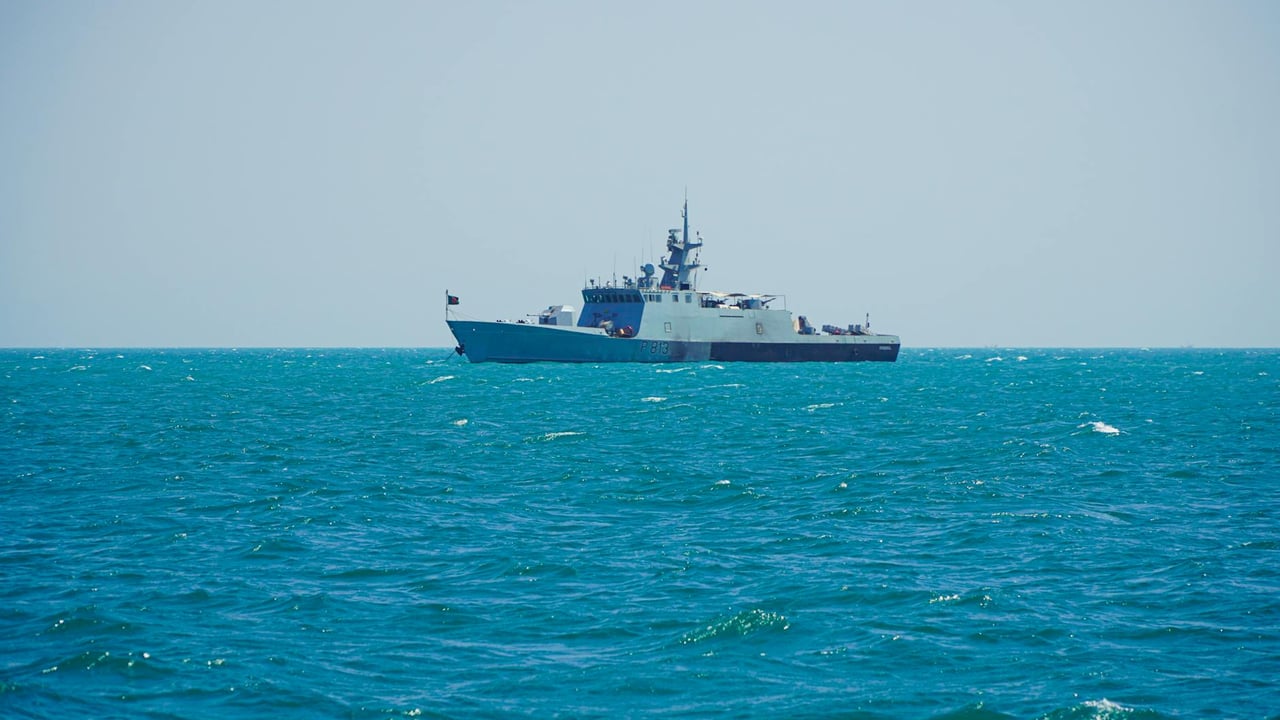

A volatile exchange of fire near the Strait of Hormuz has once again brought the precarious relationship between Washington and Tehran to the brink. On May 28, the Iranian Islamic Revolutionary Guard Corps (IRGC) reported retaliating against American-linked bases following a U.S. strike near the airport of Bandar Abbas. This latest skirmish is not an isolated incident but a dangerous symptom of the 'negotiation through pressure' tactics currently defining the Persian Gulf.
Despite the rhythmic exchange of missiles and rhetoric, diplomatic channels remain surprisingly active. Reports from Tehran suggest that the two adversaries have moved beyond sporadic contact and into a phase of negotiating a formal 'understanding.' Mediated by regional actors including Oman, Pakistan, and Qatar, these talks aim to establish a baseline for de-escalation rather than a comprehensive resolution to the long-standing nuclear dispute.
Political analysts in Tehran note that the current diplomatic push is less about reviving the defunct 2015 nuclear deal and more about preventing a full-scale regional conflagration. The shift toward seeking an 'understanding' reflects a pragmatic realization that neither side is currently prepared for the domestic or geopolitical costs of a final agreement. Instead, the focus has pivoted toward managing security, economic, and psychological variables in a highly combustible environment.
However, the primary obstacle remains a profound and systemic lack of trust. Iranian officials believe that the United States is committed to a policy of permanent containment, viewing any potential agreement as a temporary tactical pause before renewed pressure. Conversely, Washington remains skeptical of Tehran's intentions, often viewing Iranian diplomatic engagement as a stalling tactic designed to advance its regional influence and technical capabilities.
This mutual suspicion has birthed a paradoxical 'dual-track' strategy where both nations simultaneously pursue diplomacy and military signaling. While envoys meet in regional capitals, military commanders continue to calibrate limited strikes to remind their counterparts of the high costs associated with open warfare. This approach creates a narrow and dangerous corridor for diplomacy, where a single miscalculation in the Strait of Hormuz could easily collapse the progress made at the negotiating table.
For now, the rational choice for both parties appears to be the management of hostility rather than its resolution. Public opinion in Iran remains deeply cautious, with many observers noting that the immediate goal of the diplomatic process is simply to keep the lines of communication open. As long as neither side can afford a total war, the world can expect this tense cycle of shadow boxing and backchannel diplomacy to continue indefinitely.