
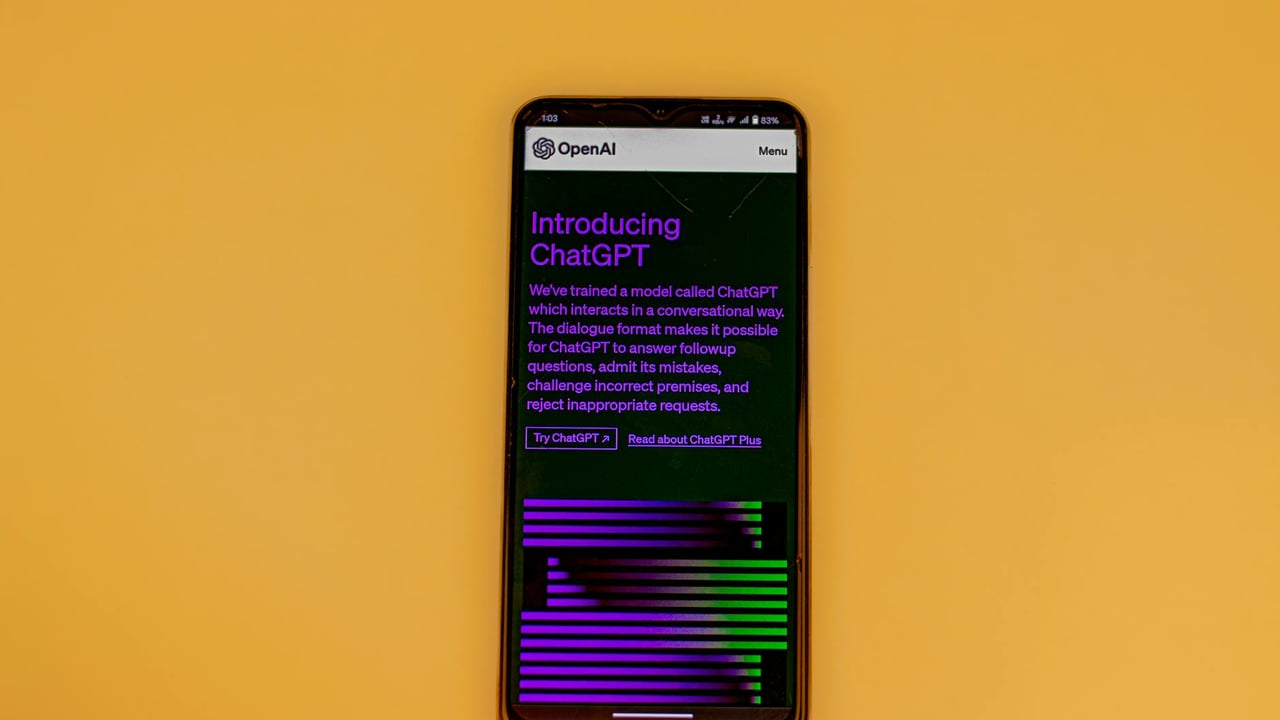

Japan is mounting a high-tech defense of its financial architecture as the country’s Finance Ministry announced a strategic partnership to grant domestic financial institutions access to OpenAI’s latest artificial intelligence models. Finance Minister Satsuki Katayama confirmed the move, positioning the deployment of these frontier models as a critical step in fortifying the nation's banking and investment sectors against an increasingly sophisticated landscape of cyber threats.
This initiative marks a significant shift in how sovereign states are beginning to view Large Language Models (LLMs) not just as productivity enhancers, but as essential defensive infrastructure. By integrating OpenAI’s most advanced reasoning and analytical capabilities, Japanese banks aim to automate threat detection and response at a speed and scale that traditional security protocols can no longer match. The decision reflects a growing consensus in Tokyo that digital resilience is now synonymous with national economic security.
The deployment comes at a time when global financial hubs are facing a surge in ransomware and AI-driven social engineering attacks. By leveraging tools like the latest iterations of GPT, Japanese institutions hope to gain an edge in identifying anomalies within vast datasets and predicting vulnerabilities before they are exploited. This proactive stance is part of a broader push by the Japanese government to modernize its legacy digital systems, which have historically lagged behind its peer economies.
While the move promises to sharpen Japan’s defensive edge, it also underscores the growing reliance of major global economies on American-developed AI. The Finance Ministry’s endorsement provides a significant vote of confidence in OpenAI’s enterprise-grade security, even as debates over data sovereignty and the concentration of technological power continue to simmer in international regulatory circles. For Japan, the immediate need for robust cybersecurity appears to have outweighed the caution typically associated with foreign-sourced software in sensitive sectors.