
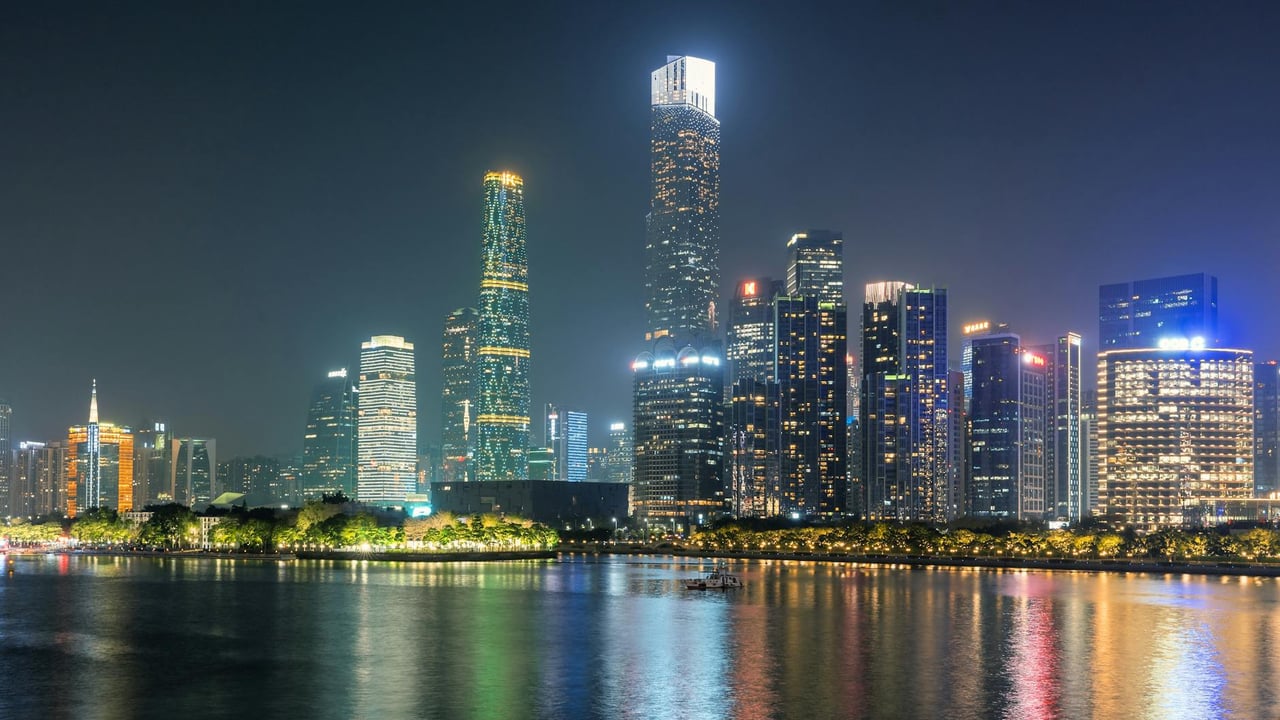

For decades, the engine of Chinese urban growth was fueled by the constant construction of new high-rise developments. However, as the property sector enters a grueling 'second half,' the strategy is shifting from aggressive expansion to the complex management of existing inventory. Guangzhou, one of China’s four first-tier metropolises, recently signaled this transition by launching a pilot program where state-owned enterprises (SOEs) step in to purchase aging, small-scale apartments from private owners.
Under the new 'trade-in' scheme, the state-backed Guangzhou An居 Group will acquire second-hand residences that are under 70 square meters and priced below 3 million yuan. These properties, colloquially known as 'laopoxiao'—literally 'old, broken, and small'—must be located within the city’s inner ring road. The initiative aims to unlock the secondary market by providing owners with the liquidity needed to upgrade to newer, larger homes, supported by a government subsidy of up to 30,000 yuan per transaction.
This move addresses a critical bottleneck in the current Chinese housing market where the traditional 'property ladder' has broken down. In previous years, these centrally located but aging units were highly liquid due to their proximity to top-tier schools and mature amenities. Today, however, a new generation of buyers demands modern facilities and professional property management, leaving owners of older units stranded with assets they cannot sell and equity they cannot tap for new purchases.
Guangzhou is not alone in this experiment, as cities like Nanjing and Zhengzhou have explored similar state-led buyback models. What makes this shift significant is the evolving role of the local government from a regulator of prices to a provider of liquidity. By utilizing state credit to break the market's 'freeze,' authorities are attempting to stimulate a broader economic recovery that impacts downstream sectors like construction, home appliances, and interior design.
There is also a social engineering component to the plan, as the acquired 'laopoxiao' units are slated for conversion into affordable housing, talent apartments, or relocation housing for urban renewal projects. This effectively moves a portion of the housing stock from the private commodity market into the public service sphere. It represents a pragmatic attempt to solve two problems at once: clearing unsold inventory and meeting the growing demand for low-cost urban rentals for young professionals.
However, the scale of the challenge is immense, and the financial sustainability of the model remains unproven. While the central bank has established a 300-billion-yuan re-lending facility to support such acquisitions, the debt burden on local SOEs is already a point of international concern. In a city as expensive as Guangzhou, a massive rollout of this program could strain municipal balance sheets if the acquired assets fail to generate sufficient rental yields or if the cost of maintenance exceeds expectations.
Valuation remains the most contentious hurdle in the implementation of the trade-in policy. Owners naturally expect prices reflecting historical peaks, while state appraisers must account for market depreciation and the inherent risks of taking these aging structures onto their books. If the offered price is too low, participation will stall; if it is too high, the state risks overpaying for a portfolio of depreciating assets, potentially distorting local market signals further.