
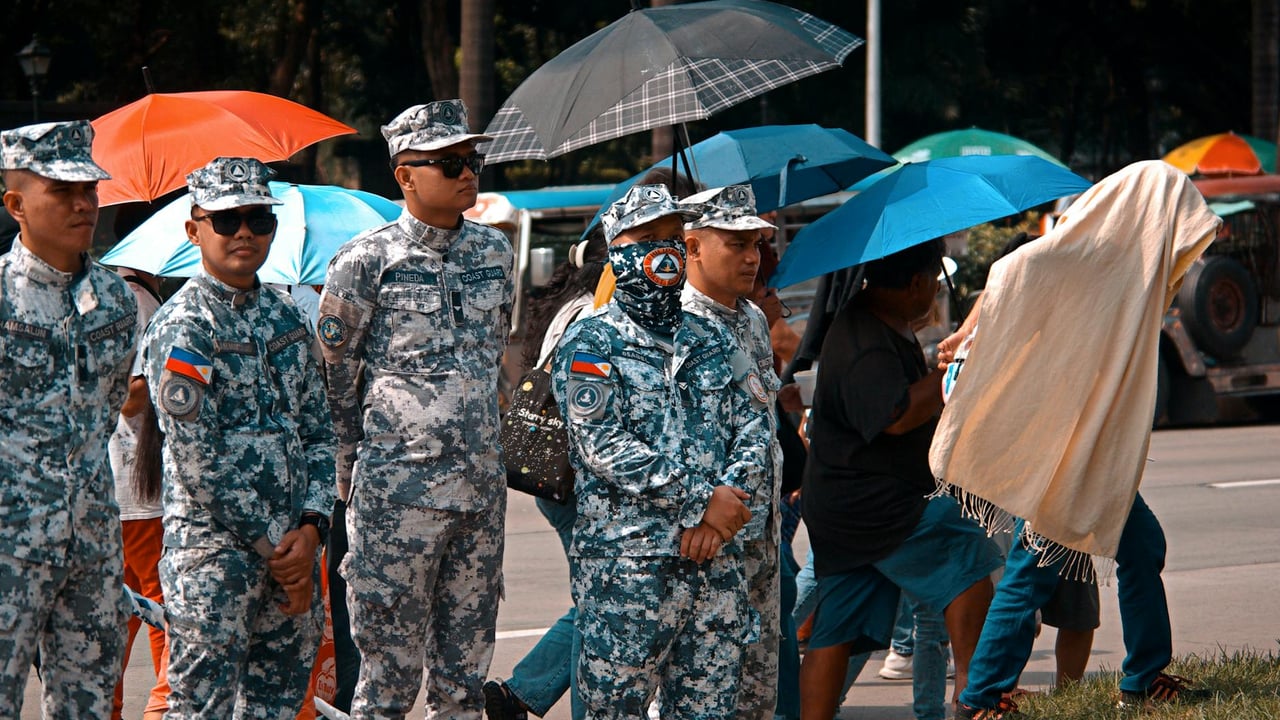

The diplomatic landscape of the Indo-Pacific has shifted significantly following the announcement that Japan and the Philippines have upgraded their bilateral ties to a 'Comprehensive Strategic Partnership.' During a high-profile summit in Tokyo, Prime Minister Sanae Takaichi and President Ferdinand Marcos Jr. signaled a new era of defense integration by initiating formal negotiations for a Military Information Protection Agreement. This move aims to streamline intelligence sharing, effectively laying the groundwork for a more robust trilateral security architecture involving the United States.
Beyond diplomatic nomenclature, the partnership is manifesting in tangible military hardware and operational presence. Tokyo is set to export 'Abukuma-class' frigates and TC-90 training aircraft to Manila, marking a departure from Japan’s historical restraint in defense exports. Furthermore, the recent participation of Japanese combat troops in the 'Balikatan' joint exercises—including the first-ever launch of Type 88 surface-to-ship missiles on Philippine soil—underscores Tokyo's intent to project power far beyond its home islands.
This rapid alignment is part of a broader 'lattice-work' strategy pursued by the Takaichi administration. By strengthening ties with 'like-minded' nations such as Australia, Vietnam, and South Korea, Tokyo is attempting to weave a web of security and economic dependencies that can withstand regional volatility. These maneuvers are often framed under the banner of economic security, linking supply chain resilience in semiconductors and critical minerals with traditional defense cooperation to lower the threshold for regional engagement.
However, the strategy is not without its detractors. Critics within Japan and across the region argue that this 'minilateralism' risks entrenching a bloc-confrontation logic that could spark a regional arms race. Domestically, the Takaichi government faces pushback from those concerned that a massive increase in defense spending will cannibalize budgets for education and healthcare, potentially destabilizing Japan's fiscal health in an era of demographic decline.
Ultimately, Japan’s deepening involvement in the South China Sea through the Philippines serves two purposes: it provides a platform for Japan to normalize its military status and creates a strategic buffer. By positioning itself as a primary security provider for Southeast Asia, Japan is seeking to redefine its post-war identity from a passive economic giant to an active geopolitical architect, even as it navigates the precarious balance between regional stability and provocative rearmament.