
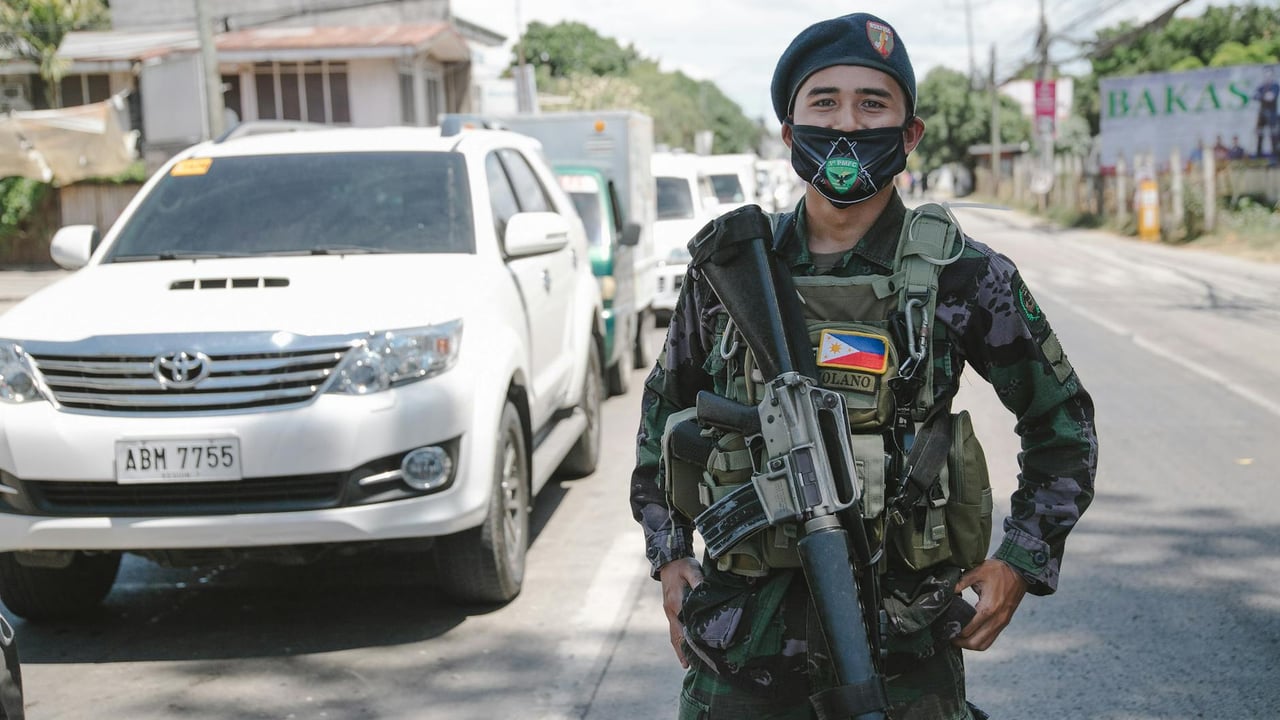

The diplomatic landscape of the Indo-Pacific has shifted significantly as Tokyo and Manila elevate their relationship to a 'Comprehensive Strategic Partnership.' During recent high-level talks, Japanese Prime Minister Sanae Takaichi and Philippine President Ferdinand Marcos Jr. signaled a deepening of security ties that many analysts view as the birth of a functional quasi-alliance. Central to this shift is the launch of formal negotiations for a Reciprocal Access Agreement and a military information protection pact, aimed at streamlining joint operations and intelligence sharing.
This upgraded status represents Japan’s highest bilateral designation short of a formal treaty alliance. By integrating the Philippines into a tighter security architecture, Tokyo is not only looking to secure its southern maritime flank but also to facilitate a trilateral framework with the United States. This move reflects a broader Japanese strategy to build 'minilateral' security clusters that can act as a counterweight to regional shifts in the balance of power.
Beyond diplomatic labels, the partnership is being cemented with hardware. Japan is set to export 'Abukuma-class' frigates and TC-90 training aircraft to the Philippines, while continuing to bolster the Philippine Coast Guard’s capabilities through joint training and equipment provisions. These transfers are facilitated by Japan’s Official Security Assistance (OSA) mechanism, a tool designed to provide defense equipment to 'like-minded' nations—a departure from Japan's historical reluctance to engage in military aid.
Critics and regional observers, however, warn that this 'little circle' diplomacy carries significant risks. There are growing concerns that Japan is using the Philippines as a testing ground to break free from its post-war pacifist constraints. By deploying anti-ship missiles and conducting large-scale exercises on Philippine soil, the Japanese Self-Defense Forces are expanding their operational footprint further from the home islands than at any point in recent history.
Domestically, this hawkish turn serves a dual purpose for the Takaichi administration. It consolidates support among Japan’s conservative base and provides a justification for the massive increase in defense spending and the potential revision of the pacifist Constitution. By framing these actions within the 'Free and Open Indo-Pacific' narrative, Tokyo seeks to normalize its status as a proactive military power while leveraging economic and energy cooperation to keep regional partners within its orbit.
Yet, the sustainability of this strategy remains in question. As Japan grapples with high debt and an aging population, the redirection of funds from social welfare to the military-industrial complex is sparking domestic backlash. Furthermore, the binary logic of 'bloc confrontation' may alienate Southeast Asian nations that prefer to avoid choosing sides in a brewing systemic rivalry. The push for a 'comprehensive' partnership may thus find itself tested by the complex realities of regional stability and domestic fiscal limits.