

The 30th Guangdong-Hong Kong-Macao Greater Bay Area (GBA) Auto Show, which opened this week in Shenzhen, has evolved from a regional trade fair into a global showcase for the future of mobility. With over 1,300 models on display across 300,000 square meters, the event highlights a profound shift in the automotive hierarchy: the era of the 'car company' is being eclipsed by the era of the 'vertically integrated tech titan.'
Nowhere is this shift more evident than in the dominance of Huawei and BYD. In a display of corporate muscle, both firms 'swallowed' entire exhibition halls to showcase not just vehicles, but entire technological ecosystems. Huawei’s Qiankun and Harmony Intelligent Mobility brands occupied massive footprints, debuting the M817 and M8 models featuring next-generation 4nm intelligent driving chips and advanced LiDAR arrays. This presence underscores Huawei's successful pivot from a telecommunications giant to the primary architect of China’s smart-car infrastructure.
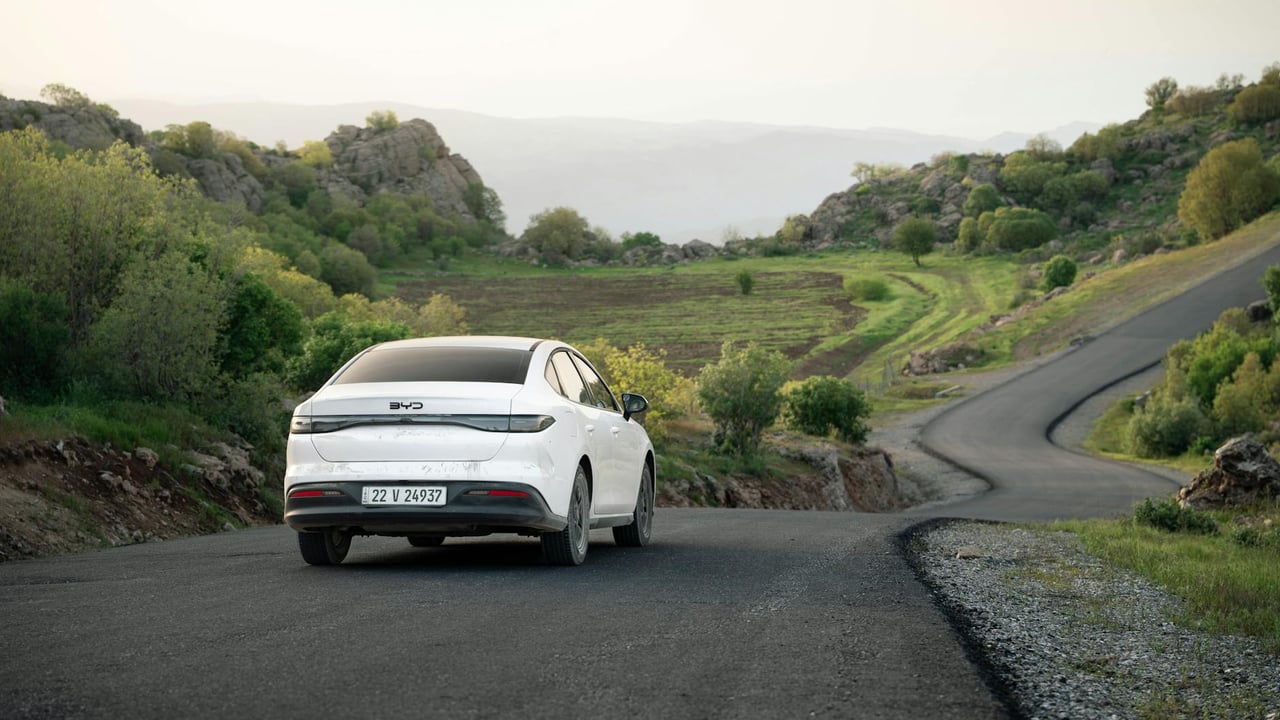
BYD, the hometown favorite, responded with equal force. Rather than focusing solely on its consumer line, the company dedicated significant space to its 'BYD Chip' zone. By showcasing its in-house, automotive-grade semiconductors and the 'Xuanji' 4nm AI chip, BYD is signaling to the world that it has achieved a level of vertical integration—from raw silicon to the final chassis—that even traditional giants like Toyota or Volkswagen struggle to match.
While domestic brands celebrated, the show served as a sobering reminder for legacy joint ventures. Brands like Nissan and SAIC-Volkswagen attempted to recapture momentum with aggressive pricing and lifetime battery warranties, but the spotlight remained firmly on the high-tech offerings from NIO, XPeng, and Xiaomi. These companies have turned the GBA into the world’s most aggressive testing ground for New Energy Vehicles (NEVs), with penetration rates in Shenzhen now exceeding a staggering 72%.
Beyond individual cars, the show highlighted the GBA’s emergence as a self-contained automotive superpower. The region now boasts a 'closed-loop' supply chain where batteries from Sunwoda, sensors from RoboSense, and chips from BYD Semiconductor are manufactured within a few hours' drive of the assembly lines. This density of innovation has allowed Shenzhen to deploy over 1,000 supercharging stations and open 2,100 kilometers of roads for autonomous testing, setting a blueprint for the global energy transition.