
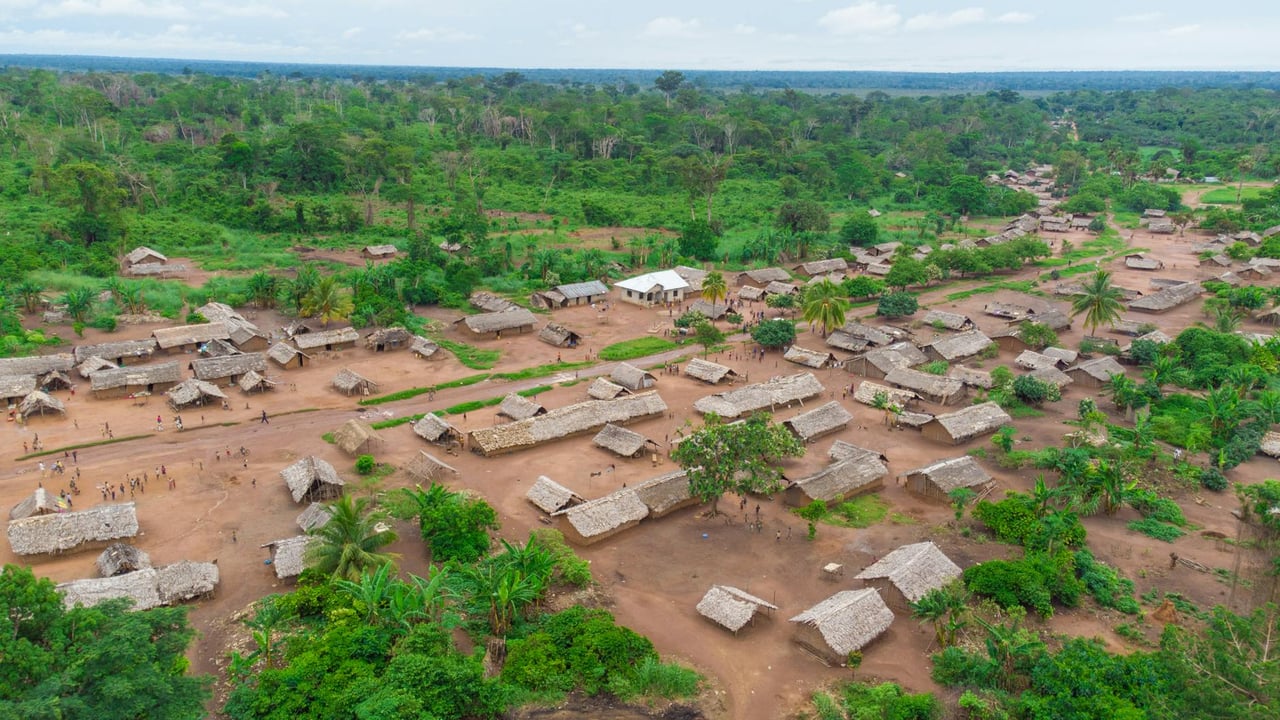

The arrival of World Health Organization (WHO) Director-General Tedros Adhanom Ghebreyesus in the Democratic Republic of the Congo (DRC) underscores a darkening humanitarian horizon. Visiting the epicenter in Bunia, the capital of Ituri province, Tedros has characterized the current Ebola outbreak as "extraordinarily complex." This assessment reflects a reality where medical science is frequently thwarted by the region’s persistent insecurity and geopolitical volatility.
Unlike previous outbreaks contained within stable environments, the situation in Ituri is inextricably linked to the province's long-standing ethnic tensions and militia activity. These security challenges create high-risk zones where health workers struggle to conduct essential contact tracing and vaccination campaigns. The displacement of thousands of civilians further complicates the task, as mobile populations can inadvertently act as vectors for the virus across porous borders.
Recognizing the broader danger, the Africa Centers for Disease Control and Prevention has officially classified this surge as a regional epidemic. This designation shifts the narrative from a localized Congolese problem to a pan-African security concern. It signals a need for synchronized cross-border monitoring and a more robust mobilization of resources from neighboring states and international partners.
While the Congolese government is reportedly intensifying its containment efforts, the limitations of the state’s reach in the restive east remain a significant hurdle. Sanitization teams and burial crews are operating under heavy protection, yet the psychological toll on the community and the erosion of local trust present obstacles that medicine alone cannot solve. The success of this intervention hinges on whether health authorities can navigate the delicate balance between emergency medical response and the region's fragile peace.