

In a characteristic display of 'maximum pressure' diplomacy, Donald Trump has laid out a stringent set of prerequisites for halting hostilities with Tehran. Speaking on May 29, 2026, the American president signaled that any de-escalation is contingent upon Iran’s permanent abandonment of its nuclear ambitions and a total overhaul of its maritime conduct in the Persian Gulf.
Central to the ultimatum is the demand that Iran must agree to never possess nuclear weapons, moving beyond the sunset clauses of previous agreements toward an indefinite prohibition. This position reflects a long-standing desire within the administration to extract a 'forever' deal that removes the nuclear threat from the regional equation entirely.
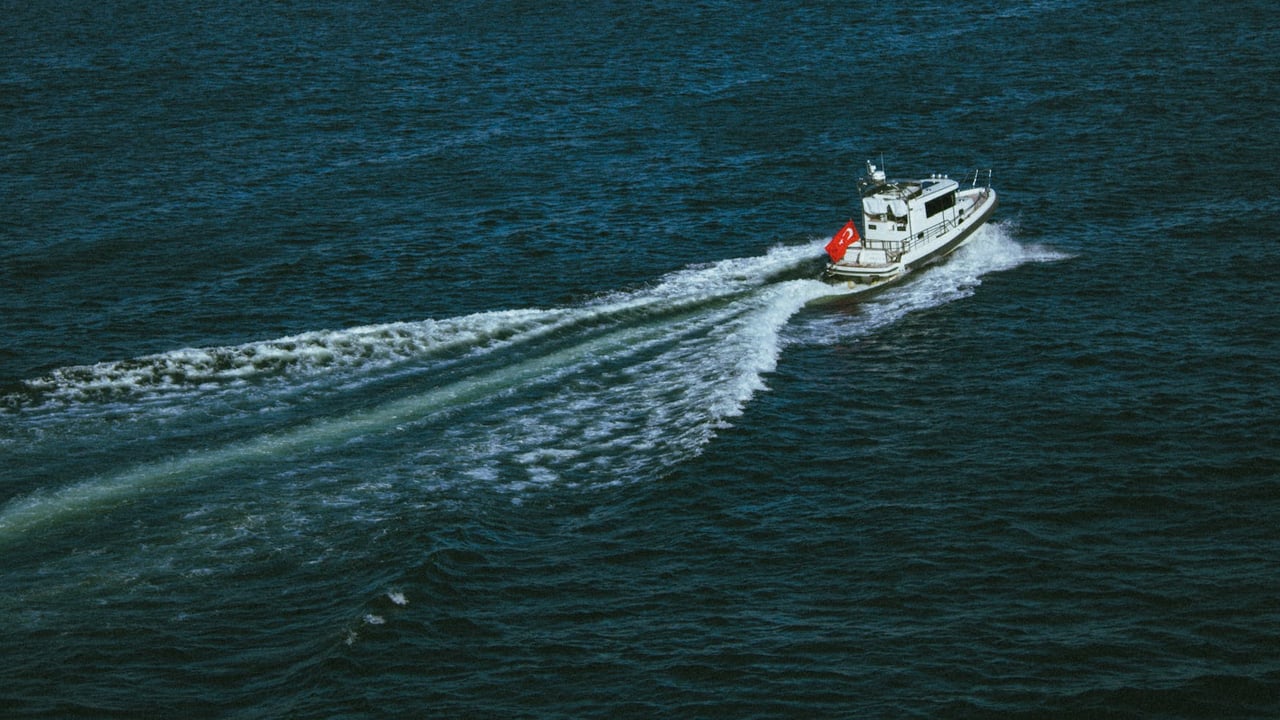
Beyond the nuclear sphere, the focus has shifted sharply toward the Strait of Hormuz, the world’s most sensitive energy chokepoint. Trump is demanding the immediate and unconditional opening of the waterway for two-way traffic, emphasizing that no transit tolls shall be levied. This directly addresses recent Iranian efforts to assert sovereignty over the passage through provocative fee structures and naval posturing.
Furthermore, the removal of all naval mines is being framed as a non-negotiable step toward regional stability. By requiring the clearing of these 'silent killers,' the administration aims to restore global confidence in shipping lanes that carry nearly a fifth of the world’s oil supply. The success of these demands now hinges on whether Tehran views them as a path to survival or an unacceptable surrender of national sovereignty.