Tehran Signals Escalation as Missiles Fly and Maritime Tensions Surge in the Persian Gulf

Iran has initiated a series of military maneuvers in the Persian Gulf, including missile launches and warning shots at maritime vessels in the Strait of Hormuz. The escalation, which reportedly includes the interception of a hostile drone, marks a significant spike in regional tensions and a direct challenge to international freedom of navigation.

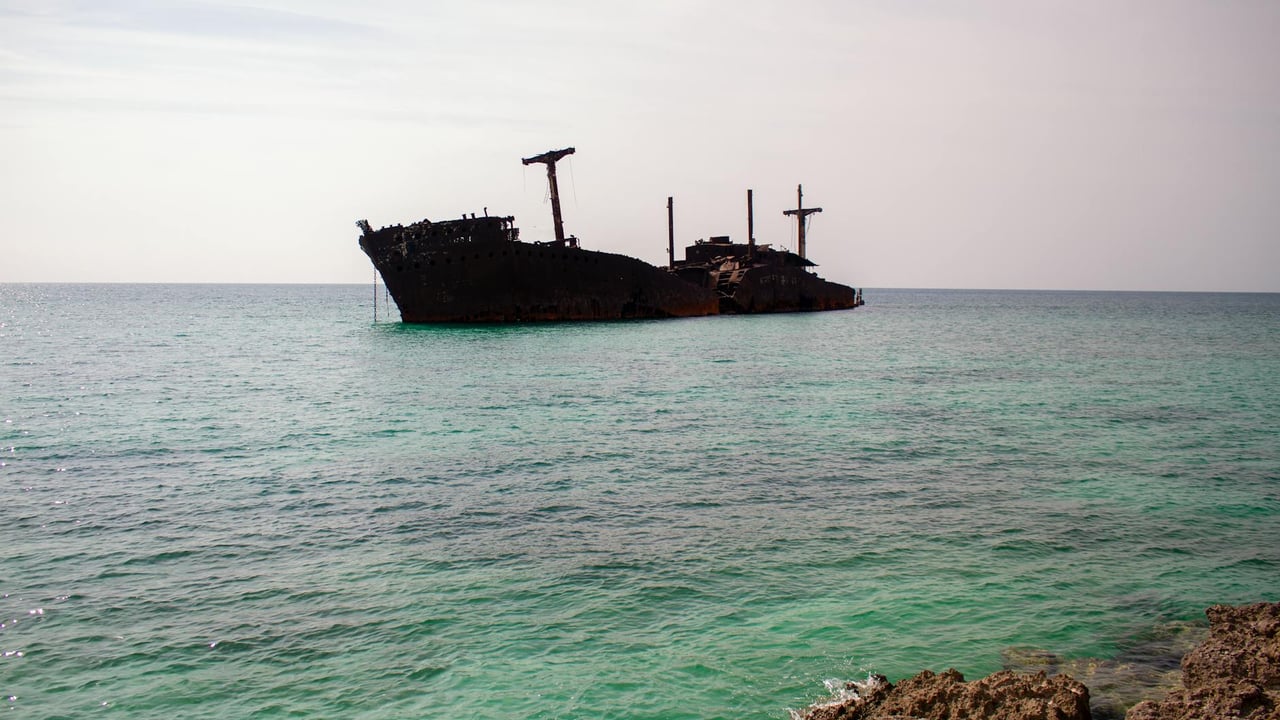
Rusty shipwreck in clear turquoise waters off Kish Island, Iran.

Key Takeaways

  • 1Iranian armed forces launched missiles from southern regions toward undisclosed targets.
  • 2Four vessels were intercepted and fired upon with warning shots in the Strait of Hormuz.
  • 3Reports indicate a potential shootdown of a U.S. drone near the Bushehr province.
  • 4Military action was taken against a base near Bandar Abbas following an alleged enemy strike.
  • 5The events signal a shift toward active military enforcement of maritime transit by Tehran.

Editor's
Desk

Strategic Analysis

Iran appears to be utilizing a strategy of controlled escalation to test the resolve of the United States and its regional allies without triggering a full-scale kinetic conflict. The targeting of 'violating' vessels and the potential shootdown of an unmanned aerial vehicle are classic grey-zone tactics designed to normalize Iranian oversight of the Strait of Hormuz. This surge in activity likely serves as high-stakes leverage for broader diplomatic or economic objectives, reminding global powers that Tehran maintains the capability to disrupt a significant portion of the world's energy supply at a moment's notice. The timing and publicity of these strikes suggest that Iran is moving away from strategic patience toward a more provocative posture of active deterrence.

China Daily Brief Editorial
Strategic Insight
China Daily Brief

Iran's military has significantly ramped up its posture in the Persian Gulf, launching missiles from its southern coast and engaging in aggressive maritime enforcement near the Strait of Hormuz. While the specific targets of the missile strikes remain undisclosed, the flurry of military activity suggests a calculated demonstration of Tehran's regional strike capabilities and its willingness to confront perceived threats in its immediate waters.

The incidents near Bandar Abbas and Bushehr, involving the alleged interception of a hostile aircraft—potentially a U.S. drone—point to a deteriorating security environment in the Middle East. This region remains one of the world's most critical energy transit points, and any disruption carries immediate consequences for global oil prices and international shipping security.

Reports of warning shots fired at four vessels attempting to transit the Strait of Hormuz without coordination underscore Iran's intent to assert total control over the waterway. Military officials justified the actions as defensive maneuvers against violating ships, a move that likely targets commercial or naval vessels belonging to regional rivals or Western powers.

The localized retaliation against a base east of Bandar Abbas further illustrates a dangerous tit-for-tat escalation cycle. By publicizing these actions through domestic media channels, the Islamic Republic is signaling both to its internal audience and international adversaries that its defensive perimeter is being actively and aggressively maintained.

Share Article

Related Articles

📰
No related articles found