

Shenzhen, the southern Chinese metropolis often dubbed the Silicon Valley of the East, has officially set its sights on a new economic peak. In its newly released 15th Five-Year Plan, the city aims to breach the 5 trillion yuan GDP threshold by 2030. This target follows the path of Shanghai and Beijing, cementing Shenzhen’s position as the third member of China’s most elite economic tier.
Reaching this milestone requires a sustained annual growth rate of at least 5%, a feat many analysts view as achievable given the city's historical resilience. Even amid the disruptions of the early 2020s, Shenzhen added over 1 trillion yuan to its economy within five years. The city’s latest data shows a population increase of nearly 260,000 in a single year, the highest growth in the country, signaling its continued allure for talent and capital.
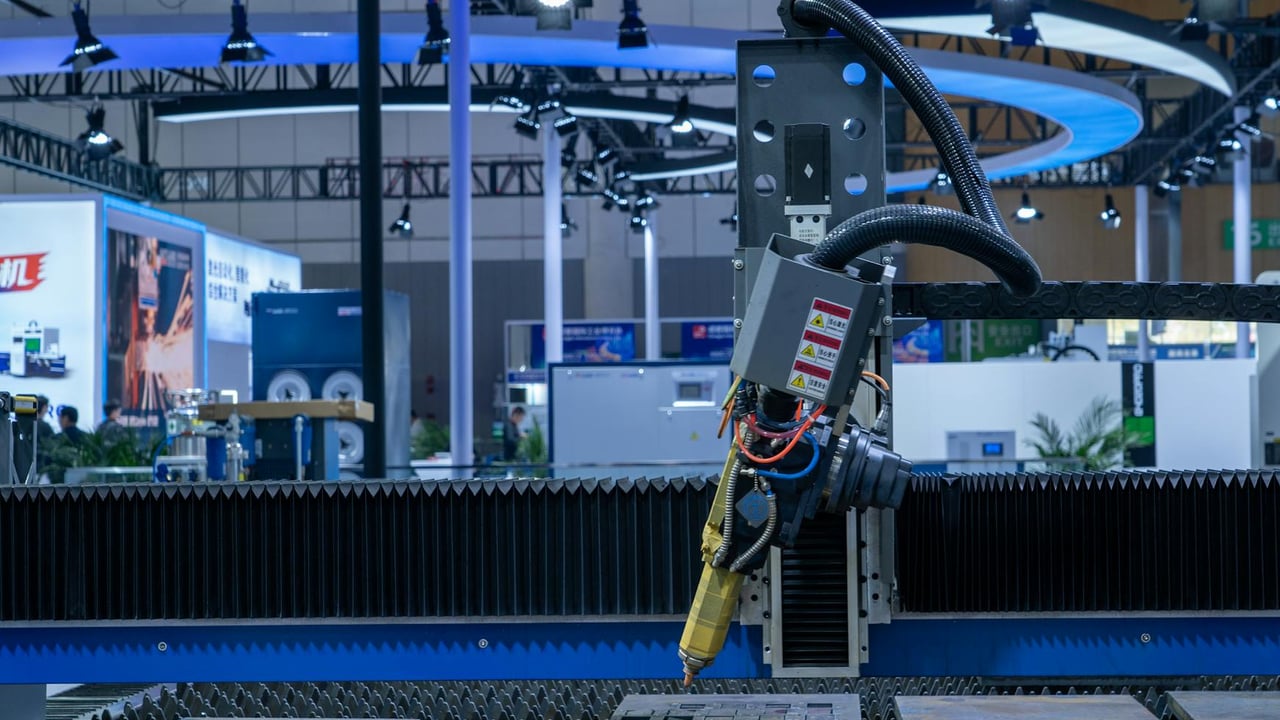
At the heart of this expansion lies a deliberate pivot from Made in Shenzhen to Smartly Made in Shenzhen. The city’s industrial output now eclipses traditional powerhouses like Suzhou and Shanghai, driven by high-tech sectors such as drones, robotics, and semiconductors. Shenzhen is no longer content with being a global factory floor; it is transitioning into a technology source that defines international industry standards.
Research and development have become the city's true lifeblood, with R&D intensity reaching a nation-leading 6.67% of GDP. Shenzhen has held the top spot for international patent applications in China for 22 consecutive years, reflecting a shift from mere commercialization to fundamental scientific breakthrough. The Shenzhen-Hong Kong-Guangzhou innovation cluster now ranks as the world's most productive, recently overtaking the Tokyo-Yokohama region.
To overcome its most pressing bottleneck—a severe lack of physical space—Shenzhen is pioneering vertical urbanism. The city is aggressively promoting industrial buildings, where high-tech manufacturing occurs on upper floors of skyscrapers rather than sprawling campuses. Simultaneously, it has effectively expanded its borders through the Shen-Shan Special Cooperation Zone, a coastal enclave that acts as a managed 11th district.
Ultimately, Shenzhen’s strategy serves as a blueprint for China’s broader High-Quality Development mandate. By focusing on irreplaceable core technologies and high-value supply chains, the city seeks to insulate itself from global economic decoupling. Its success by 2030 will likely dictate whether China can successfully transition from a middle-income manufacturer to a high-tech superpower.