
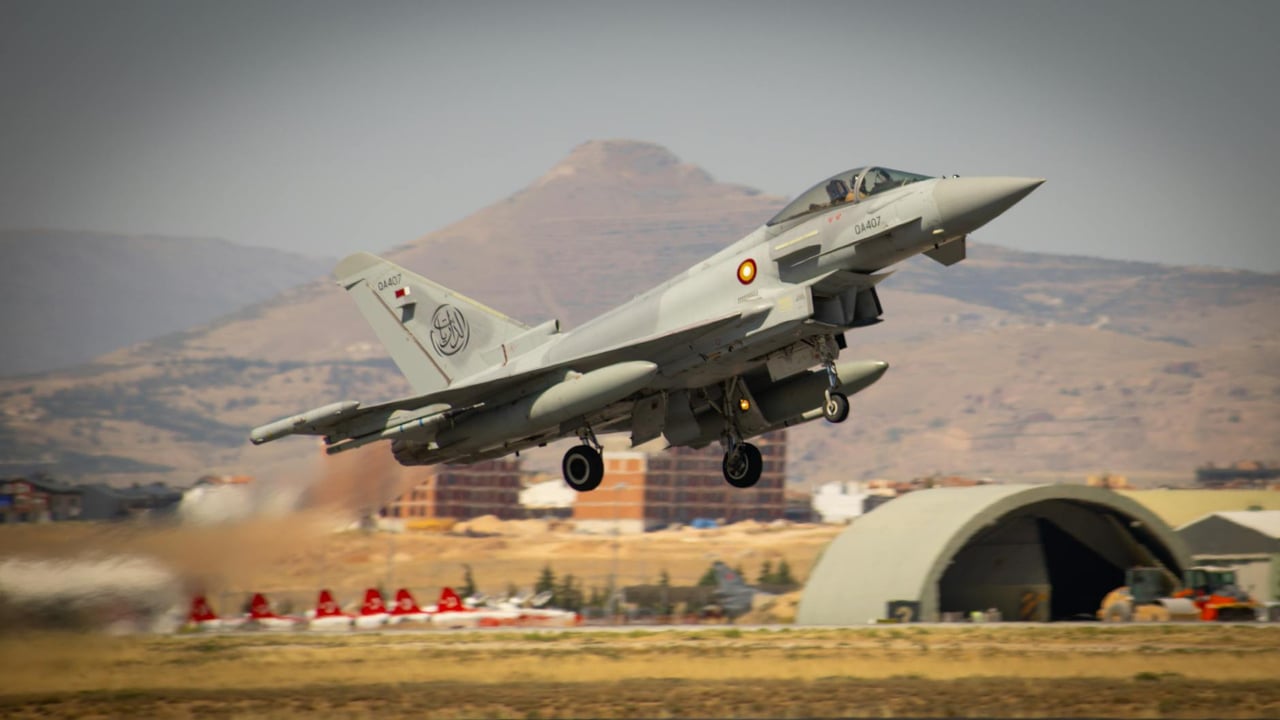

The roar of American military aircraft over the skies of Caracas on May 23 marked a watershed moment for South American geopolitics. These exercises, the first of their kind since the dramatic intervention in January 2026, serve as a potent visual confirmation of the new reality in Venezuela.
Five months ago, a lightning U.S. military operation resulted in the removal of President Nicolás Maduro from the presidential palace. While Washington characterized the move as a necessary step to end a humanitarian crisis, the physical presence of U.S. forces in the capital today suggests a much longer-term commitment to the country's transition.
The recent maneuvers involved high-altitude surveillance and tactical transport displays within the heart of the Venezuelan capital. By conducting these drills in such a high-profile manner, the Pentagon is effectively signaling that the post-Maduro era will be anchored by a robust U.S. security umbrella.
This demonstration of force resonates far beyond the borders of Venezuela, acting as a stark reminder of a resurgent Monroe Doctrine. For regional neighbors and global rivals alike, the sight of U.S. hardware over Caracas underscores a shift from diplomatic pressure to direct kinetic involvement in the Western Hemisphere’s most volatile flashpoints.