
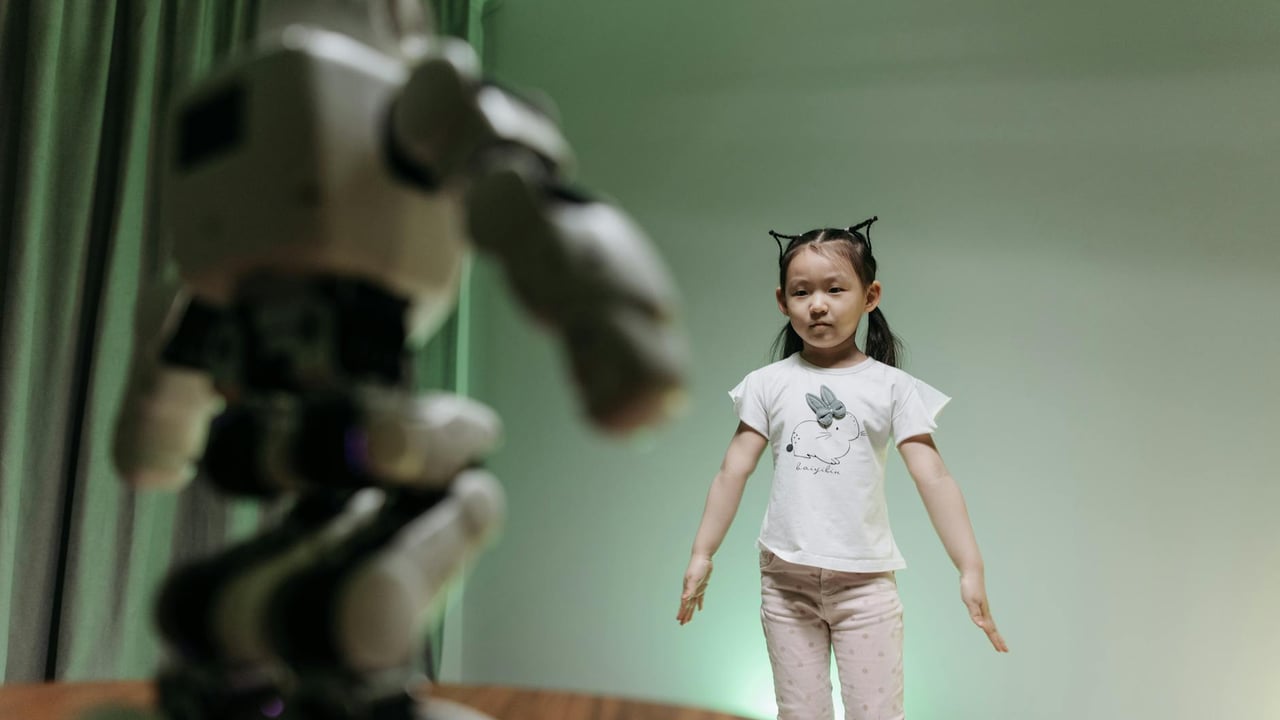

On May 29, the Chinese robotics firm Agibot announced the official opening of its Smart Manufacturing Base in the Honghualing district of Shenzhen. This move marks a significant transition for the company as it shifts from research and development to large-scale commercial production. Accompanying the facility's opening was the rollout of the first mass-produced units of its flagship T800, a full-sized humanoid robot designed for versatile applications.
The T800 represents the cutting edge of what Chinese tech circles call "Embodied AI," the integration of sophisticated large language models with physical robotic forms. By moving into mass production, Agibot is attempting to bridge the gap between high-cost laboratory prototypes and viable industrial tools. This scalability is essential for the robot to become a fixture in logistics, manufacturing, and eventually, domestic service sectors.
Shenzhen’s selection as the site for this facility underscores the city’s enduring status as the world’s premier hardware ecosystem. The proximity to a dense network of sensor, battery, and actuator suppliers allows Agibot to iterate quickly and maintain a competitive cost structure. This localized supply chain is a critical advantage for Chinese firms as they race to keep pace with international competitors like Tesla’s Optimus program.
This development is also a direct reflection of China’s national industrial strategy to cultivate "New Quality Productive Forces." The government has prioritized humanoid robotics as a future pillar of the economy, viewing it as a solution to both labor shortages and the need for higher industrial efficiency. As more companies like Agibot move toward mass production, the sector is entering a phase where economic viability will be tested in real-world environments.