
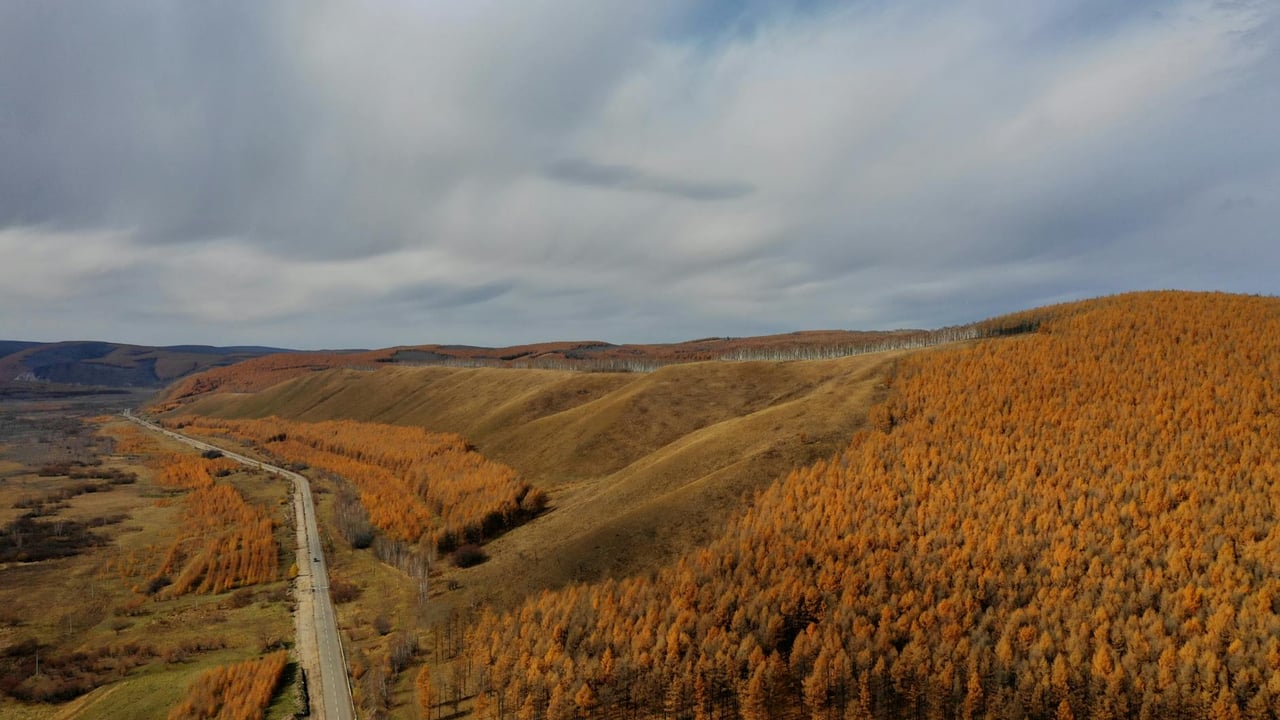

The rolling horizons of the Mongolian steppe have once again become a stage for high-stakes geopolitical signaling as the 'Steppe Partner-2026' joint military exercises commence. This latest iteration of bilateral army training underscores a maturing defense relationship between Beijing and Ulaanbaatar, moving beyond symbolic gestures toward functional tactical interoperability. As the People's Liberation Army (PLA) deploys its modern hardware to the north, the message is clear: regional security in Northeast Asia is increasingly being written in the Chinese script.
For Mongolia, a landlocked democracy wedged between two authoritarian giants, these drills are a delicate necessity. While Ulaanbaatar aggressively pursues its 'Third Neighbor' policy—an effort to court diplomatic and economic ties with the United States, Japan, and the European Union—it recognizes that its immediate physical security is tethered to the Chinese and Russian orbits. Participating in 'Steppe Partner-2026' allows Mongolia to maintain a pragmatic equilibrium, ensuring its neighbors see it as a partner rather than a platform for Western influence.
The 'Steppe Partner' series has evolved significantly in scope and sophistication since its earlier iterations. No longer confined to basic disaster relief or humanitarian assistance, the 2026 maneuvers focus on integrated command structures, counter-terrorism simulations, and coordinated mobility across the vast, challenging terrain of the Gobi. These drills provide the PLA with invaluable experience in foreign theater operations while offering the Mongolian Armed Forces access to advanced Chinese doctrine and logistics.
In the broader context of North Asian security, these exercises serve as a quiet rebuttal to Western strategies of containment. By securing its northern flank through collaborative military engagement rather than coercion, Beijing demonstrates its capacity to maintain a stable 'rear area' as it focuses on maritime tensions elsewhere. The drills reinforce the reality that while Ulaanbaatar may look to the West for democratic inspiration, it must look to Beijing for the practical realities of regional stability.