
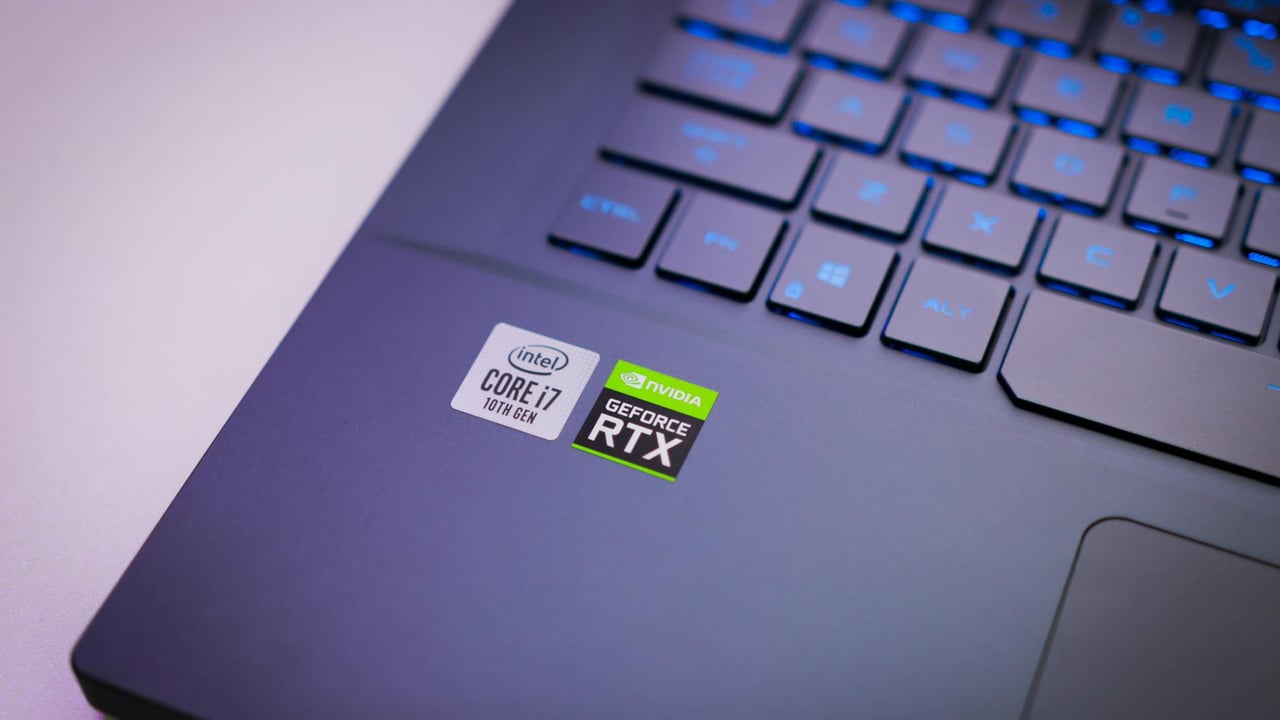

The global technology sector is converging on Taipei this June for COMPUTEX 2026, an event that has evolved from a traditional PC trade show into the foundational epicenter of the artificial intelligence revolution. Under the theme 'AI Together,' the exhibition will host a record number of exhibitors, signaling a pivotal moment where speculative AI potential finally meets mass-market infrastructure. The presence of the 'Big Three'—Nvidia, AMD, and Intel—underscores Taiwan’s indispensable role as the primary forge for the world’s most advanced silicon.
Nvidia, the undisputed king of the AI era, is expected to use the platform to transition from being a chip vendor to a full-stack platform provider. CEO Jensen Huang’s pre-show keynote is anticipated to focus on the Vera Rubin architecture and the Vera CPU, technologies that represent the next frontier of high-performance computing. A mysterious joint social media campaign with Microsoft, hinting at a 'new era of the PC,' suggests that Nvidia is ready to push AI out of the data center and directly onto the consumer’s desktop via proprietary hardware-software integration.
Not to be outdone, AMD’s Lisa Su has already arrived in Taiwan, projecting a 35% growth in the processor market and preparing to unveil the Helios server cabinet. This move is a direct challenge to Nvidia’s NVL72 dominance, indicating that the battle for AI supremacy is shifting toward integrated rack-level solutions rather than individual components. Intel, meanwhile, is attempting to reclaim its relevance by focusing on AI inference capabilities within its next-generation CPUs, aiming to prove that the 'AI PC' can thrive on general-purpose architecture optimized for local workloads.
The significance of COMPUTEX 2026 extends beyond the chipmakers to the massive Taiwanese supply chain ecosystem, including giants like Hon Hai (Foxconn), Quanta, and Asus. These firms are no longer mere contract manufacturers; they are now the architects of the 'AI Factory,' showcasing breakthroughs in liquid cooling, 800V DC power systems, and embodied intelligence. Their role in integrating Nvidia’s Rubin and AMD’s Helios platforms into functional, scalable data center modules is what will ultimately determine the speed at which global industries can deploy generative AI.