
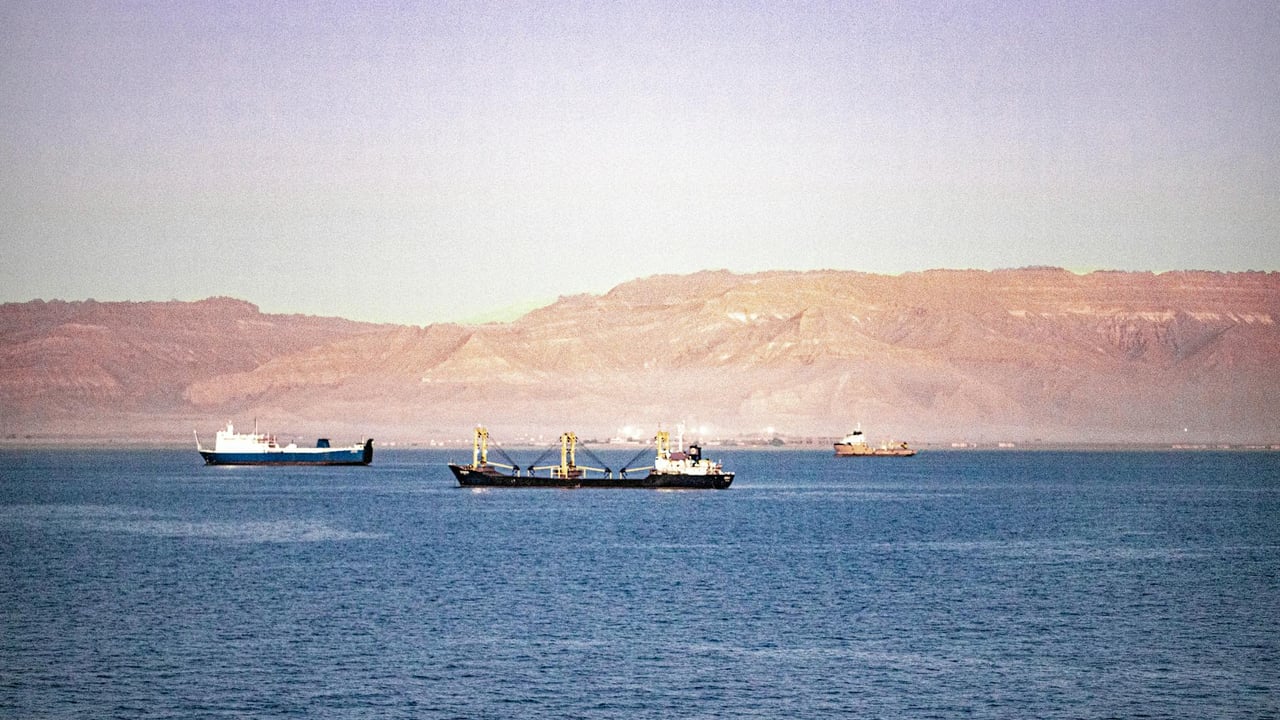

A tentative diplomatic opening between Washington and Tehran suggests a potential de-escalation in the Persian Gulf, even as the specter of a broader regional war looms. Sources indicate that the United States and Iran have reached a preliminary memorandum of understanding to extend an existing ceasefire and restore critical shipping lanes in the Strait of Hormuz. This potential breakthrough follows a period of intense maritime friction that saw global energy prices spike after Iran effectively blockaded the world’s most vital oil transit point.
Under the proposed framework, the U.S. would lift its current naval blockade of Iranian ports and provide limited sanctions relief in exchange for a 30-day safe passage mechanism. This cooling-off period is intended to give negotiators a 60-day window to hammer out a comprehensive final agreement. However, the fragility of this arrangement was underscored only days ago when the Iranian Revolutionary Guard fired upon a U.S. tanker attempting to transit the Strait with its radar disabled.
The Trump-Vance administration faces a complex domestic and international balancing act as it pursues this deal. While Vice President J.D. Vance has signaled that an agreement is closer than ever, President Trump has yet to grant final approval. The administration must reconcile its "Maximum Pressure" heritage with the urgent need to stabilize global energy markets and avoid another protracted Middle Eastern conflict that could drain American resources.
At the heart of the impasse remains the intractable problem of Iran’s nuclear program and its stockpile of high-enriched uranium. A proposed compromise would see Iran ship its 60% enriched material to a third-party nation for dilution back to a 5% concentration. Yet, technical disagreements persist regarding the decommissioning of advanced centrifuges, the duration of facility shutdowns, and the intrusive nature of future international inspections.
Israel remains the ultimate wild card in this diplomatic maneuver, having conducted joint airstrikes with the U.S. against Iranian targets as recently as February 2026. Tehran insists that any lasting peace must include a resolution to the ongoing conflict between Israel and Hezbollah in Lebanon. Given that Israel has shown no intention of curbing its military operations in southern Lebanon, the prospect of a regional spoiler remains a constant threat to the proposed memorandum.