
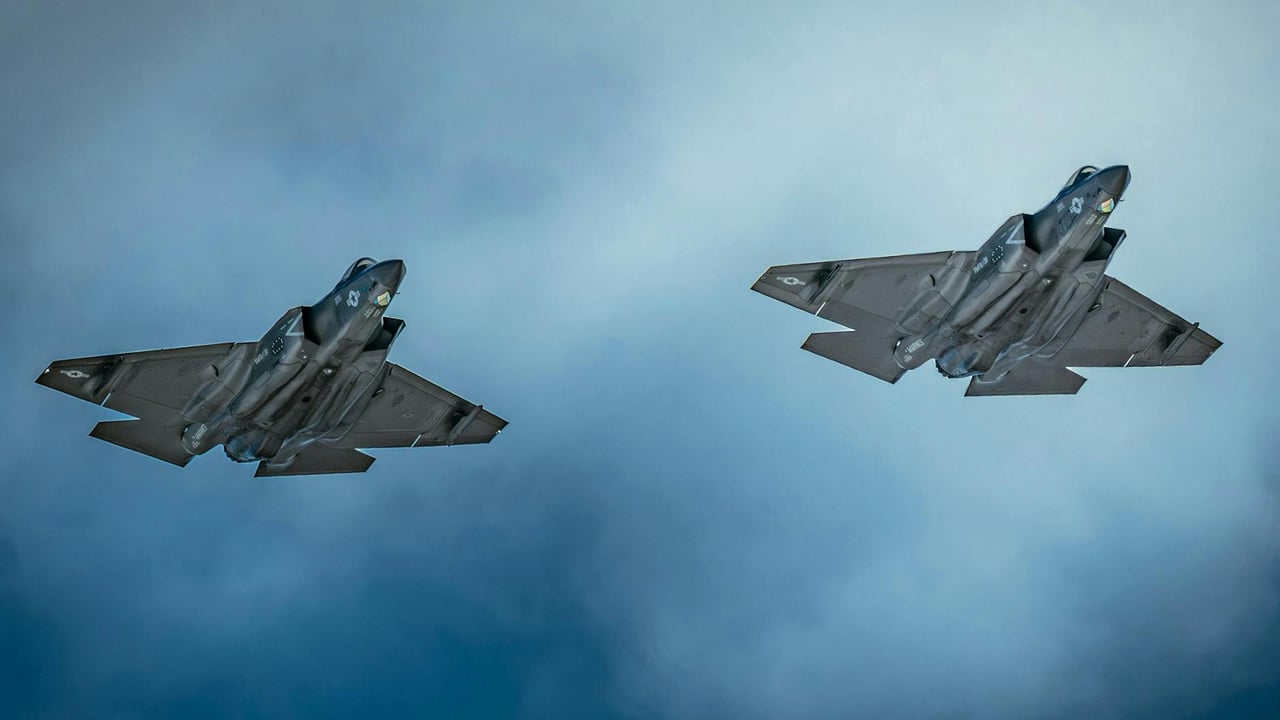

In a seamless transition of maritime power, the US Marine Corps has officially handed over the watch in the waters surrounding Latin America. The 24th Marine Expeditionary Unit (MEU) recently assumed responsibility for operations within the US Southern Command (SOUTHCOM) area, relieving the 22nd MEU after a scheduled deployment. This move reinforces the American military footprint in a region that, while often overshadowed by flashpoints in Eastern Europe and the Indo-Pacific, remains vital to Western Hemisphere stability.
Comprising more than 1,300 Marines and Sailors, the 24th MEU brings a versatile array of amphibious and aerial capabilities to the theater. This specific force structure is designed for rapid response, capable of executing everything from humanitarian assistance and disaster relief to counter-narcotics operations and regional security cooperation. The presence of such a high-readiness unit serves as a flexible tool for US diplomacy and deterrence in the Caribbean and along the South American coastlines.
While the Pentagon describes the deployment as a routine rotation, the timing is notable as geopolitical competition in Latin America intensifies. Washington is increasingly wary of the expanding economic and infrastructure influence of extra-regional powers, particularly China, across the continent. Maintaining a persistent naval and marine presence ensures that the United States remains the primary security partner of choice for regional neighbors, providing a visible counterweight to foreign strategic inroads.
Furthermore, the waters of the SOUTHCOM area of responsibility are critical corridors for global trade and are frequently plagued by illicit trafficking networks. By deploying a full expeditionary unit, the US military signals its commitment to maintaining the rule of law and maritime security. This rotation ensures that there is no gap in capability as the 22nd MEU returns home, sustaining a level of operational continuity that is essential for long-term theater security objectives.