Steppe Diplomacy: China and Mongolia Deepen Defense Ties Amid Shifting Regional Dynamics

China and Mongolia have launched the 'Steppe Partner-2026' joint military training, reflecting a strategic deepening of defense ties and regional security cooperation. These exercises highlight China's growing influence in its northern periphery and Mongolia's pragmatic balancing of its powerful neighbors.

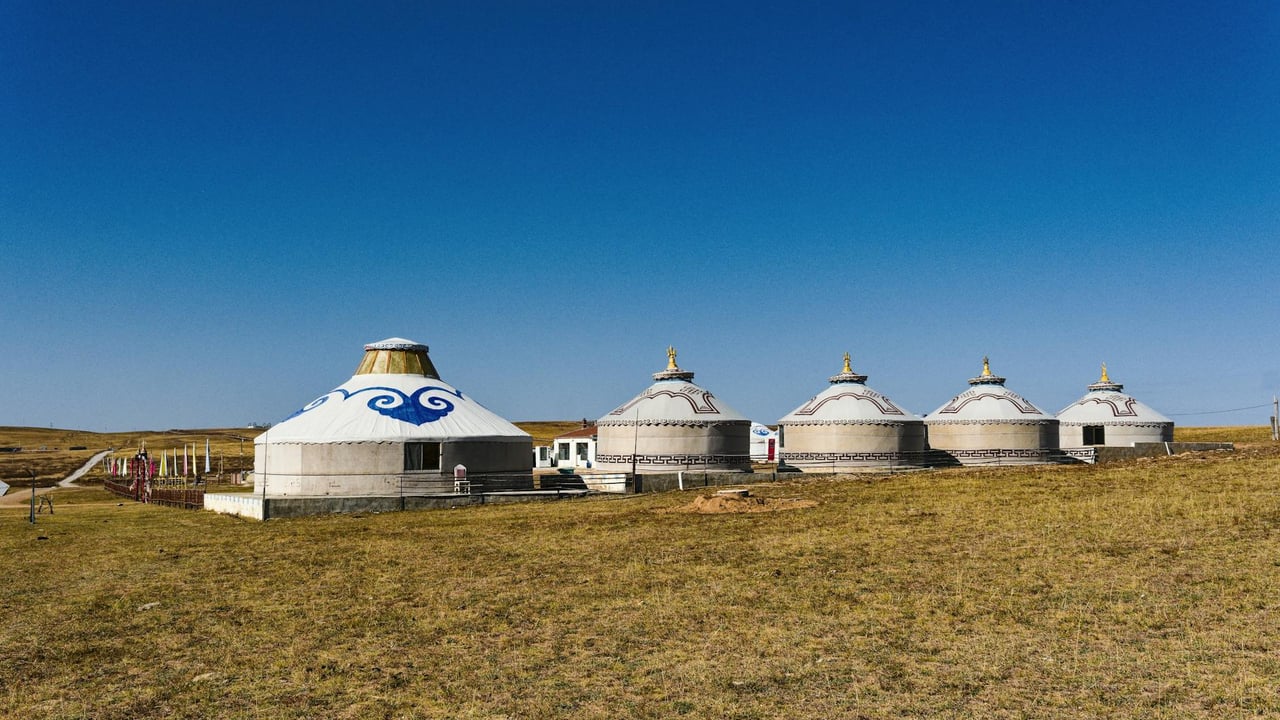
Explore the beauty of traditional Mongolian yurts under a clear blue sky in Inner Mongolia's expansive grasslands.

Key Takeaways

  • 1Steppe Partner-2026 represents the continuation of a formalized military partnership between the PLA and the Mongolian Armed Forces.
  • 2The drills focus on counter-terrorism, tactical interoperability, and logistical coordination in high-altitude steppe environments.
  • 3The exercise serves China's broader goal of securing its borders and ensuring regional stability via the Global Security Initiative.
  • 4Mongolia utilizes these exercises to maintain professional military standards while navigating its complex geopolitical position between China and Russia.

Editor's
Desk

Strategic Analysis

The 'Steppe Partner-2026' drills signify more than just tactical training; they are a sophisticated exercise in 'buffer state' diplomacy. For China, integrating Mongolia into its security architecture is vital for neutralizing potential Western 'encirclement' and ensuring that the corridor between the Russian Far East and the Chinese heartland remains stable. As Russia’s influence in its traditional sphere of interest fluctuates, Beijing is leveraging these military exchanges to cement itself as the indispensable security partner for Ulaanbaatar. This trend suggests that while Mongolia will continue to engage with the West for economic and democratic support, its security reality will increasingly be defined by its proximity to Chinese military modernization.

China Daily Brief Editorial
Strategic Insight
China Daily Brief

The 'Steppe Partner-2026' joint army training marks a significant evolution in the strategic partnership between Beijing and Ulaanbaatar. As China seeks to fortify its northern periphery, these maneuvers provide a critical platform for the People’s Liberation Army (PLA) to demonstrate its regional leadership and operational flexibility. By conducting these exercises, both nations are signaling a commitment to long-term security cooperation that transcends simple border management.

For Mongolia, a landlocked democracy situated between two giants, military engagement with China is a delicate balancing act. While Ulaanbaatar historically pursues a 'Third Neighbor' policy to court Western influence, the reality of geography necessitates a pragmatic relationship with Beijing. This latest iteration of the Steppe Partner series underscores a mutual interest in counter-terrorism and regional stability, reflecting a deepening level of trust between the two defense establishments.

The 2026 exercises are expected to focus on integrated command structures and modular combat units, moving beyond the basic humanitarian drills of the past. These drills allow the PLA to test its logistical capabilities in the challenging terrain of the Mongolian plateau while fostering personal ties between mid-level officers on both sides. Such 'military diplomacy' serves as a soft-power tool, softening China's image while asserting its role as a primary security provider in Central Asia.

In the broader geopolitical context, this cooperation occurs as Russia remains preoccupied with its own regional conflicts, potentially creating a vacuum that Beijing is eager to fill. By strengthening ties with Mongolia, China secures a stable northern buffer and ensures that its Belt and Road infrastructure projects remain protected. The persistence of the Steppe Partner exercises suggests that defense cooperation has become a permanent fixture of the bilateral agenda, rather than a fleeting response to temporary crises.

Share Article

Related Articles

📰
No related articles found