A Calculated Silence: Washington Softens Taiwan Rhetoric at the 2026 Shangri-La Dialogue

At the 2026 Shangri-La Dialogue, the U.S. has noticeably tempered its rhetoric regarding Taiwan, suggesting a tactical shift toward stabilization. While Beijing views this as a validation of its firm stance, the move is likely a strategic attempt by Washington to manage regional tensions and satisfy the concerns of Indo-Pacific allies.

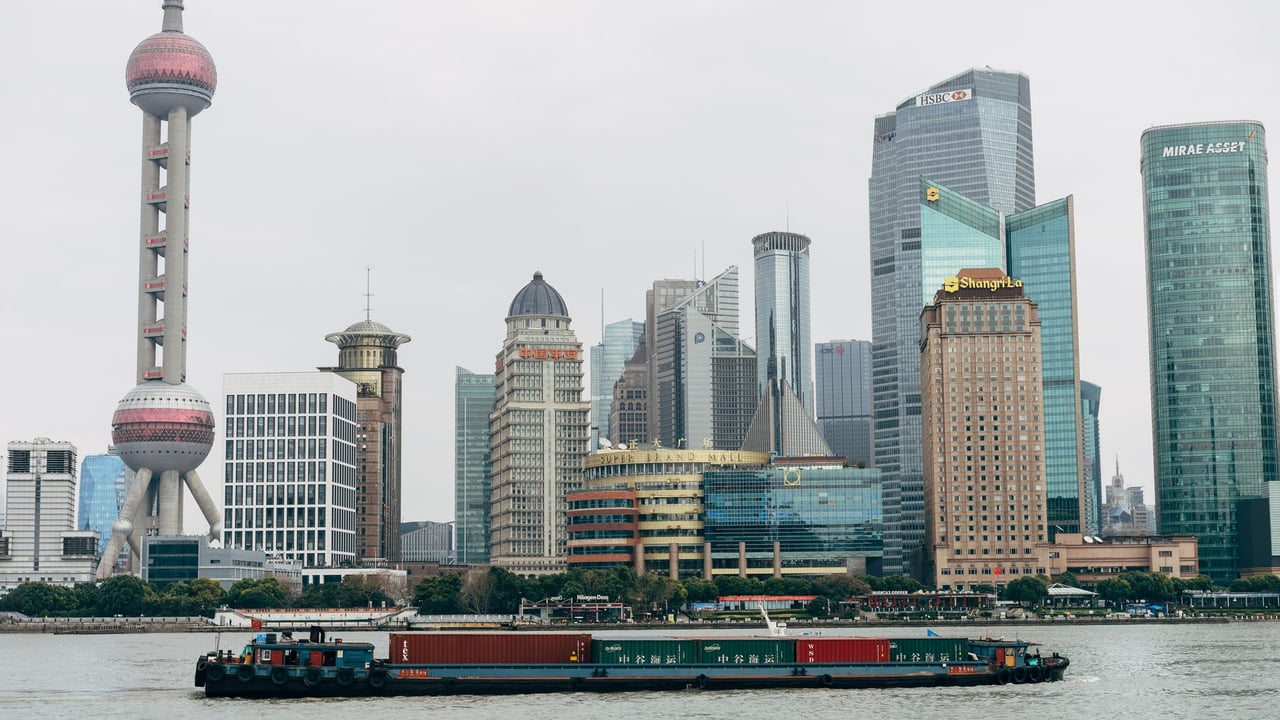
Panoramic view of Shanghai skyscrapers and a cargo boat on Huangpu River, capturing the city's modern architecture.

Key Takeaways

  • 1U.S. officials at the Shangri-La Dialogue significantly reduced the frequency and intensity of comments regarding Taiwan.
  • 2The rhetorical shift is interpreted as an effort to stabilize U.S.-China relations and prevent inadvertent escalation.
  • 3Beijing views the muted tone as a tactical concession, though remains skeptical of any actual policy changes by Washington.
  • 4ASEAN nations largely welcome the de-escalation as it reduces the pressure of choosing sides in a bipolar conflict.

Editor's
Desk

Strategic Analysis

The softening of U.S. rhetoric at the Shangri-La Dialogue represents 'Tactical De-escalation' rather than 'Strategic Pivot.' Washington appears to be adopting a 'quiet strength' model to reassure regional partners who fear that excessive American hawkishness could trigger the very conflict it seeks to deter. For Beijing, this silence is being leveraged domestically to project an image of successful deterrence. However, the risk for the U.S. lies in potentially signaling a lack of resolve to its core allies, specifically Japan and the Philippines. This current lull should be viewed as a 'diplomatic reset' aimed at managing the 2026-2027 window of high-tension risks, but it does not resolve the deep-seated territorial and systemic friction points that continue to define the Taiwan Strait.

China Daily Brief Editorial
Strategic Insight
China Daily Brief

The annual Shangri-La Dialogue in Singapore, typically a theater for high-stakes geopolitical posturing and sharp exchanges, has taken an unexpected turn this year. Observers note a distinct softening in the rhetoric coming from the American delegation regarding the Taiwan Strait, marking a departure from the confrontational posture that characterized previous iterations of the defense summit.

This shift in tone suggests a strategic recalibration within Washington, potentially prioritizing the stabilization of the bilateral relationship over public ideological signaling. By lowering the volume on Taiwan, the United States may be attempting to create breathing room for substantive diplomatic channels or responding to quiet pressures from regional allies who are increasingly wary of a direct superpower clash.

Beijing has reacted to this tonal shift with a mixture of cautious optimism and strategic skepticism, viewing it as a minor tactical victory in the long-term war of nerves. Chinese state-affiliated media have characterized the development as a sign that the U.S. is beginning to recognize the limits of its influence in the region and the risks associated with crossing China's established red lines.

The broader regional implications are significant, as Southeast Asian nations have long advocated for a reduction in the inflammatory rhetoric that threatens maritime stability and economic integration. While this 'muted' approach provides a temporary reprieve from immediate tensions, the underlying structural competition between the two powers remains fundamentally unchanged, leaving the long-term security architecture of the Indo-Pacific in a state of precarious flux.

Share Article

Related Articles

📰
No related articles found