Ideology and Innovation: Beijing and Hanoi Leverage ‘Red Genes’ to Anchor Future Ties

Youth representatives from China and Vietnam met in Kunming to reinforce bilateral ties through the lens of shared revolutionary history. The event aimed to translate 'Red Genes' into modern cooperation in digital trade, green innovation, and rural development to strengthen the China-Vietnam Community with a Shared Future.

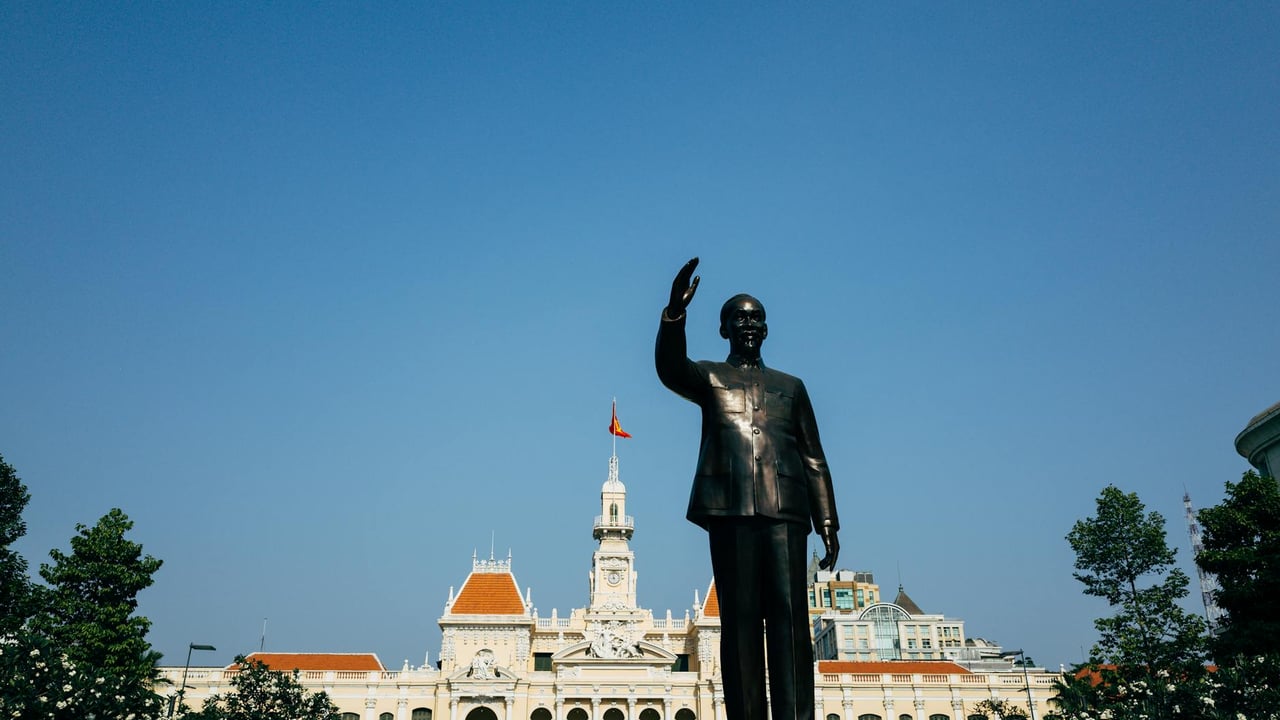
Iconic Ho Chi Minh statue with City Hall in backdrop on a clear day in Vietnam.

Key Takeaways

  • 1The 'Inheriting Red Genes' event in Kunming involved over 300 youth representatives from various professional and academic sectors in China and Vietnam.
  • 2Historical narratives centered on Ho Chi Minh's revolutionary activities in Kunming were used as a foundation for modern diplomatic trust.
  • 3Proposed areas of expanded cooperation include digital exchange, cross-border e-commerce, and green innovation.
  • 4The meeting emphasizes the ideological alignment between the CCP and the CPV as a stabilizing factor in regional politics.
  • 5Youth engagement is being positioned as a critical pillar for the 'China-Vietnam Community with a Shared Future.'

Editor's
Desk

Strategic Analysis

This event highlights the Chinese Communist Party's sophisticated use of 'Red Diplomacy' to maintain its sphere of influence. By framing the relationship through shared revolutionary struggle—the 'Red Genes'—Beijing and Hanoi are attempting to create an ideological firewall against Western democratic influence. For Vietnam, this balance is crucial; it allows for deep economic and party-to-party ties with China while navigating its 'Bamboo Diplomacy' which includes growing security ties with the United States. The focus on youth and technology suggests both capitals are aware that the traditional revolutionary bond must be modernized to remain relevant to a generation more interested in digital entrepreneurship than historical dogma.

China Daily Brief Editorial
Strategic Insight
China Daily Brief

In the verdant city of Kunming, a regional hub traditionally serving as China’s gateway to Southeast Asia, a carefully choreographed gathering of over 300 young leaders from China and Vietnam recently convened. The 'Inheriting Red Genes' youth speech session was not merely a nostalgic retrospective of revolutionary history, but a calculated diplomatic exercise in reinforcing the 'comrades plus brothers' narrative that underpins one of Asia’s most complex bilateral relationships.

By invoking the shared revolutionary heritage of the 20th century, specifically the period when Ho Chi Minh found sanctuary and support in Kunming, the event sought to provide a historical anchor for modern cooperation. Speakers utilized these historical anecdotes to bridge the gap between mid-century guerrilla warfare and 21st-century economic integration, signaling that the ideological DNA of both ruling communist parties remains the primary lens through which their partnership is viewed.

The rhetoric transitioned seamlessly from the past to the pragmatic. Representatives from the Ho Chi Minh Communist Youth Union and their Chinese counterparts discussed expanding cooperation in rural revitalization, digital trade, and green innovation. This shift indicates a strategic effort to ensure that the next generation of leadership in both nations views ideological alignment as a facilitator for practical, high-tech development and cross-border commerce.

As the session concluded with a joint rendition of the song 'Vietnam-China,' the imagery served a clear purpose for domestic and international consumption. Amidst lingering maritime disputes and shifting geopolitical allegiances in the Indo-Pacific, Beijing is prioritizing 'Track II' diplomacy—using youth, culture, and shared history to solidify a 'Community with a Shared Future' that can withstand external pressures and internal frictions.

Share Article

Related Articles

📰
No related articles found