

In a move that reverberated from the courtrooms of Miami to the streets of Havana, the United States has revived a thirty-year-old ghost of the Cold War. Acting Attorney General Todd Blanche announced that a grand jury has indicted 94-year-old Raul Castro and five former military officials for their roles in the 1996 shootdown of 'Brothers to the Rescue' aircraft. The charges, including conspiracy to murder US nationals and the destruction of aircraft, carry potential penalties of life imprisonment or death.
The 1996 incident remains a raw wound in the history of US-Cuba relations, involving the downing of two unarmed civilian planes by Cuban MiG-29s over international waters. While the Clinton administration at the time pursued limited indictments against pilots and intelligence operatives, it pointedly avoided charging Castro to prevent a total diplomatic collapse. The decision to bring these charges now, decades after the event and long after Castro’s retirement, signals a sharp departure from traditional diplomatic norms.
This legal escalation does not exist in a vacuum; it is the latest salvo in a broader campaign of maximum pressure. Recently, Washington has ramped up sanctions on Cuban officials and moved to restrict the island's energy supplies from allies like Venezuela. By layering criminal indictments on top of financial and energy blockades, the current administration is weaving a multi-front strategy aimed at the very heart of the Cuban revolutionary leadership’s historical legitimacy.
The response in Florida, home to a powerful and politically active Cuban-American community, has been one of celebratory vindication. Hardline Republican figures have hailed the indictment as 'delayed justice' and a necessary reckoning for the victims’ families. Critics, however, view the timing and location of the announcement—at Miami's Freedom Tower—as a calculated move to secure the support of the Cuban exile electorate ahead of pivotal domestic elections.
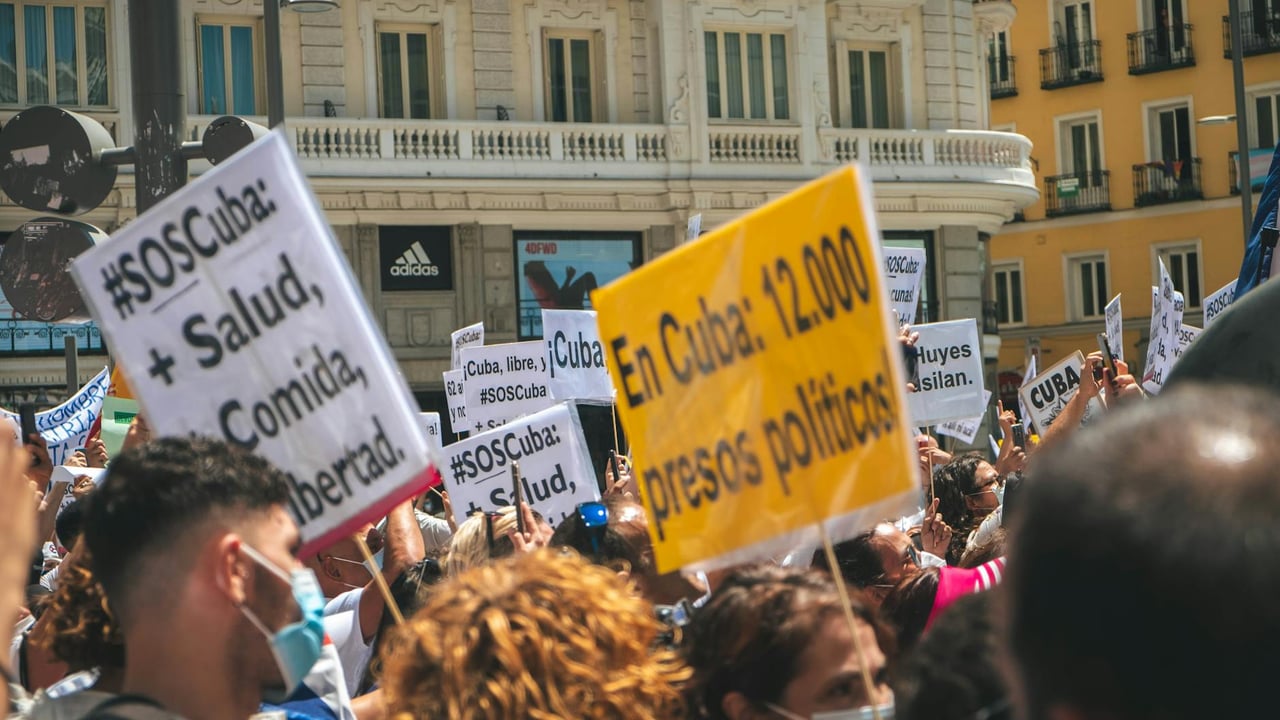
Havana has wasted no time in characterizing the indictment as a 'political provocation' and an assault on its national sovereignty. Thousands of protesters gathered outside the US embassy in Cuba, led by President Miguel Díaz-Canel and other high-ranking officials, to denounce what they call the 'weaponization of justice.' The Cuban government maintains that the 1996 shootdown was a legitimate act of self-defense against repeated violations of its airspace by provocative exile groups.
Legal experts suggest that the indictment faces significant hurdles in terms of actual prosecution. While US law provides a basis for extraterritorial jurisdiction in cases involving the murder of citizens, the lack of an extradition treaty with Cuba makes the physical appearance of the defendants in a US court nearly impossible. Furthermore, the defense would likely raise complex arguments regarding sovereign immunity and the statute of limitations for acts committed while in office.
Ultimately, the significance of this case may lie less in a future trial and more in its immediate political utility. By branding the former leader of a sovereign state a common criminal, the US creates a permanent legal barrier to future diplomatic normalization. This strategy transforms a historical tragedy into a permanent fixture of current foreign policy, ensuring that the shadow of 1996 continues to loom over the Florida Straits for years to come.