Brinkmanship and Bravado: Trump Revives the ‘War Department’ to Force Iran’s Hand

Donald Trump has warned Iran that a failure to reach a comprehensive deal will result in military intervention via the 'War Department.' While claiming a breakthrough is near, he emphasized a willingness to walk away to ensure better terms on nuclear proliferation and maritime security.

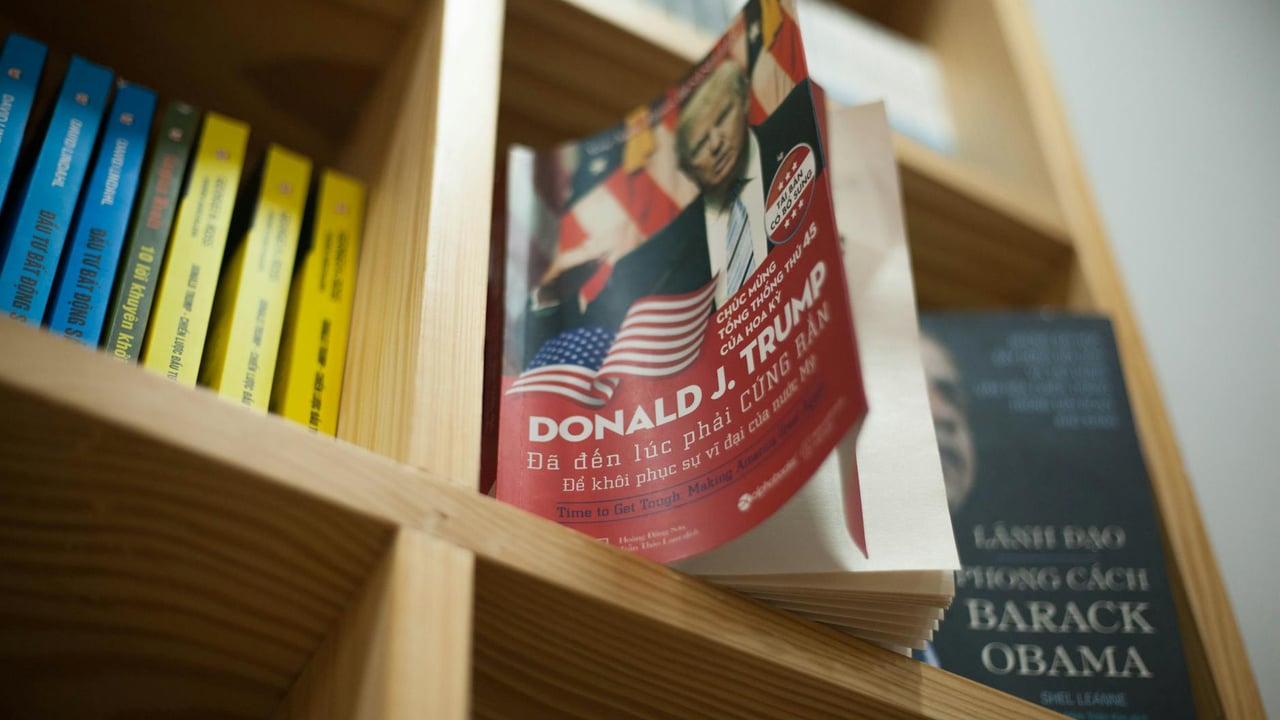
A close-up view of a bookshelf with books featuring political leaders in a bookstore setting.

Key Takeaways

  • 1Trump claims the U.S. and Iran are nearing a 'very good' agreement but insists on even better terms.
  • 2The President explicitly threatened to involve the 'War Department' if a diplomatic resolution is not reached.
  • 3Primary U.S. objectives include securing the Strait of Hormuz and ensuring Iran never acquires nuclear weapons.
  • 4Trump maintains a 'not in a hurry' posture, viewing patience as a tactical advantage in high-stakes negotiations.

Editor's
Desk

Strategic Analysis

The use of the term 'War Department'—a name not officially used since 1947—is a deliberate linguistic throwback designed to project an image of raw, old-world American power. By juxtaposing the promise of a 'great deal' with the threat of total military intervention, Trump is utilizing classic coercive diplomacy to force Tehran into concessions. This approach seeks to resolve not just the nuclear issue, but the broader geopolitical challenge of Iranian maritime influence. However, such high-stakes brinkmanship carries the inherent risk of miscalculation, where rhetorical escalation could inadvertently trigger a hot conflict in the world's most sensitive energy corridor.

China Daily Brief Editorial
Strategic Insight
China Daily Brief

In a characteristic blend of optimistic diplomacy and overt military threat, Donald Trump has signaled that the United States is nearing a "very good deal" with Tehran, while simultaneously warning of military intervention should negotiations falter. Speaking on Fox News, Trump suggested that while a comprehensive agreement is within reach, he is prepared to unleash the full might of the Pentagon—which he pointedly referred to by its archaic title, the "War Department"—to settle the matter by "other means."

This dual-track approach aims to address perennial American anxieties regarding Iranian regional influence, specifically the security of the Strait of Hormuz and the permanent cessation of Iran’s nuclear program. By framing the Department of Defense as a tool of last resort, Trump is attempting to maximize his leverage at the bargaining table, a tactic reminiscent of his previous "maximum pressure" campaigns.

Despite the aggressive rhetoric, Trump emphasized a calculated lack of urgency, noting that a rushed agreement is rarely a beneficial one. This patience suggests a desire to avoid the perceived pitfalls of previous administrations' deals, seeking instead a definitive settlement that encompasses more than just nuclear proliferation.

The mention of the "War Department" likely serves as a rhetorical device intended to signal a shift toward a more confrontational posture for the benefit of both domestic supporters and international adversaries. Whether this represents a genuine shift in strategy or merely a theatrical escalation in the "Art of the Deal" remains the central question for observers in both Washington and Tehran.

Share Article

Related Articles

📰
No related articles found