The Robotic Rubicon: San Francisco Startup to Test Humanoid Machines on Ukrainian Battlefields

A San Francisco robotics startup is deploying upgraded humanoid robots to Ukraine to test logistics and operational capabilities under combat conditions. Backed by $24 million in US military research contracts, the initiative aims to integrate these autonomous systems into frontline American operations within 18 months.

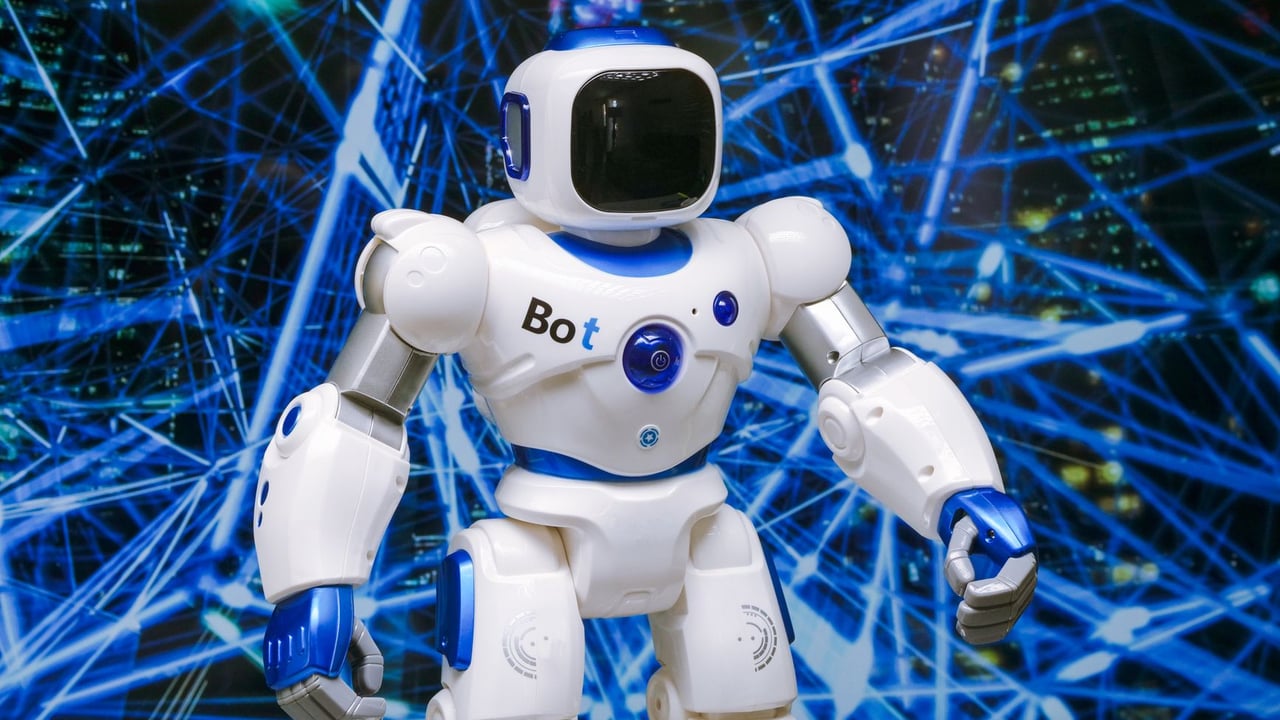
Advanced humanoid robot with glowing blue accents in a digital network setting.

Key Takeaways

  • 1A San Francisco startup is sending upgraded humanoid robots to Ukraine for military testing in 2024.
  • 2The company has secured $24 million in research contracts from the U.S. Army, Navy, and Air Force.
  • 3Previous tests in Ukraine focused on hazardous logistics, but future tests include weapons operation feasibility.
  • 4The startup plans to move into U.S. military frontline testing within an 18-month window.
  • 5The deployment raises significant ethical concerns regarding autonomous decision-making in combat zones.

Editor's
Desk

Strategic Analysis

The deployment of humanoid robots in Ukraine signifies that the barrier between industrial automation and autonomous warfare is rapidly dissolving. Unlike specialized drones, humanoid robots are designed to operate within human-centric infrastructure, making them 'general-purpose' assets that can drive vehicles, carry crates, or eventually pull triggers. Ukraine has become the ultimate 'beta-test' site because it allows Western tech firms to bypass traditional, slow-moving domestic safety regulations in favor of rapid, iterative development in a live combat environment. This 'Silicon Valley approach' to war-fighting accelerates innovation but risks outstripping the international community's ability to establish ethical frameworks for autonomous lethal force.

China Daily Brief Editorial
Strategic Insight
China Daily Brief

The war in Ukraine has long served as a grim laboratory for modern weaponry, from kamikaze drones to satellite-linked reconnaissance. Now, the conflict is entering a more futuristic and ethically fraught phase as a San Francisco-based robotics startup prepares to deploy upgraded humanoid robots to the frontlines. This move marks a significant transition from laboratory prototypes to active-duty assets, with the company aiming to refine its technology in one of the world's most high-stakes environments.

While the initial deployment involves only a handful of units, the objective is clearly defined: gathering the 'real-world data' necessary to secure a permanent role within the United States military. The startup has reportedly already secured $24 million in research contracts from the U.S. Army, Navy, and Air Force. These contracts cover a wide range of feasibility tests, including logistics, facility inspection, and the potentially controversial area of weapons operation.

Earlier iterations of these humanoid systems were quietly sent to Ukraine earlier this year to perform hazardous logistical tasks, such as retrieving supplies in 'hot' zones where human exposure is too risky. The company’s leadership suggests that the lessons learned from these missions will act as a springboard for broader U.S. military adoption. They have set an ambitious timeline of just 18 months to see these machines integrated into frontline U.S. military testing.

Despite the technological leap, the deployment has ignited a firestorm of ethical debate regarding the role of artificial intelligence in lethal decision-making. While the robots are currently marketed for logistics, the prospect of autonomous machines operating weaponry raises fundamental questions about accountability and the laws of war. For now, both the Pentagon and the Ukrainian Ministry of Defense have remained silent on the specific details of these ongoing field tests.

Share Article

Related Articles

📰
No related articles found