
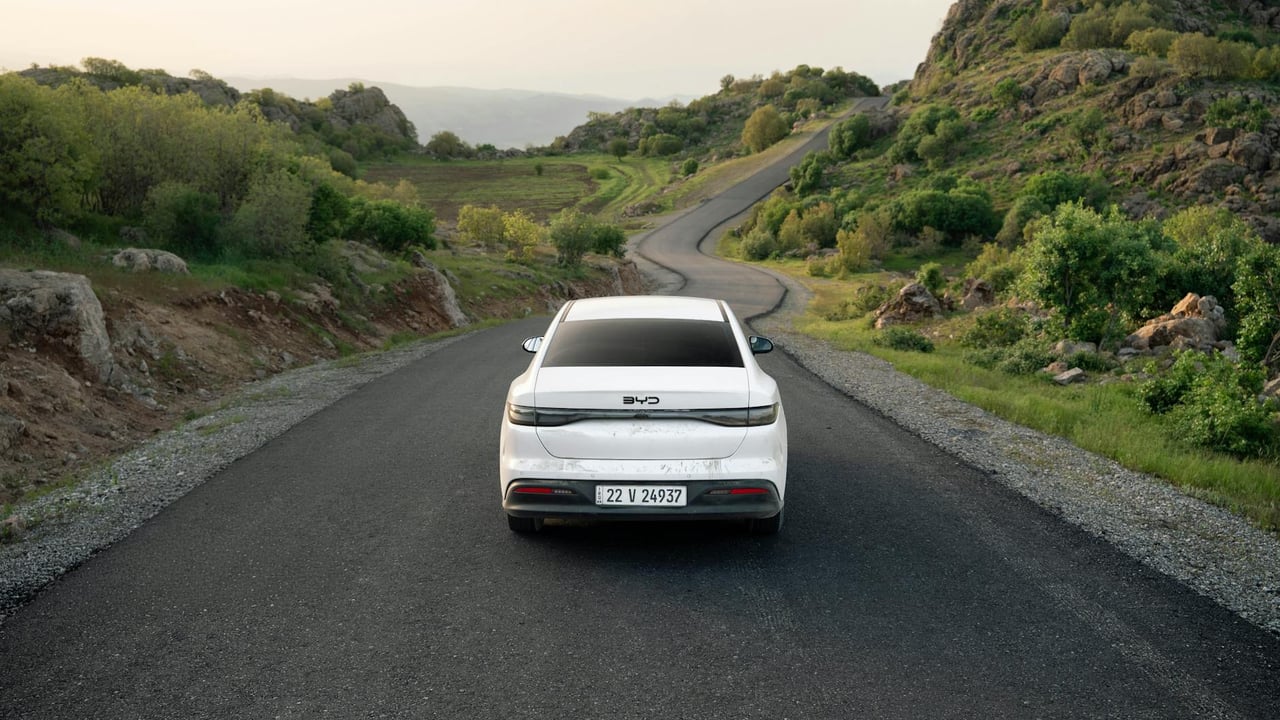

For years, BYD has dominated the global electric vehicle market through a strategy of brutal vertical integration and battery prowess. However, as the industry moves from the 'electrification' phase to the 'intelligence' phase, the Shenzhen-based giant finds itself in an uncharacteristic position: playing catch-up. To bridge this gap, Chairman Wang Chuanfu recently unveiled a high-stakes pivot centered on a self-developed 4nm smart driving chip, the 'Xuanji A3,' alongside a promise to bring high-level autonomous features to even its most affordable models.
This shift is more than a technical upgrade; it is a defensive maneuver against the rising influence of tech-first competitors like Huawei, Xiaomi, and Xpeng. By launching the 'Tian Shen Zhi Yan' (God’s Eye) system for a flat fee of 12,000 RMB ($1,650), BYD is attempting to commoditize high-end sensors and LIDAR technology. The goal is to leverage BYD’s massive manufacturing scale to drive down the cost of advanced driver-assistance systems (ADAS) until they become standard features in the sub-$20,000 price bracket where the company currently reigns supreme.
Perhaps the most striking aspect of the new strategy is BYD’s pledge to assume liability for accidents occurring while its urban pilot-driving mode is active. This 'safety bottom line' is a direct attempt to win back consumer trust. Internal reports suggest that previous attempts at 'universal smart driving' were marred by rushed software and poor user experiences, leaving many customers unwilling to pay extra for the technology. By offering to pay for repairs and third-party damages, BYD is putting its balance sheet behind its software ambitions.
The commercial reality remains stark. While BYD remains a sales titan, the profit margins are tightening under a relentless price war with rivals like Geely, which has nearly matched BYD’s quarterly sales and earnings. In this environment, self-developing a 4nm chip is not just about performance; it is about survival through cost control. Like NIO and Li Auto before it, BYD has realized that purchasing high-end chips from Nvidia or Qualcomm is a long-term drain on margins. Owning the silicon allows for tighter integration between hardware and AI models, potentially creating the 'heart and lungs' necessary for a truly smart vehicle.
However, industry analysts warn that hardware dominance does not automatically translate to software excellence. BYD’s DNA is rooted in manufacturing and engineering, whereas its newest rivals are born from the internet and consumer electronics sectors. The 'second half' of the EV race will be won by whoever can define the user experience through over-the-air updates and AI interaction. For BYD, the Xuanji A3 chip represents the infrastructure for a comeback, but the true test will be whether its software can move from being a 'remedial' effort to a genuine competitive advantage.