Testing the Shield: Iranian Missile Strike in Kuwait Signals New Risks for US Gulf Presence

An Iranian ballistic missile strike on a US airbase in Kuwait resulted in seven light injuries but was largely neutralized by local interceptions. The incident marks a provocative expansion of the regional conflict zone, testing the integrated defense capabilities of Gulf allies.

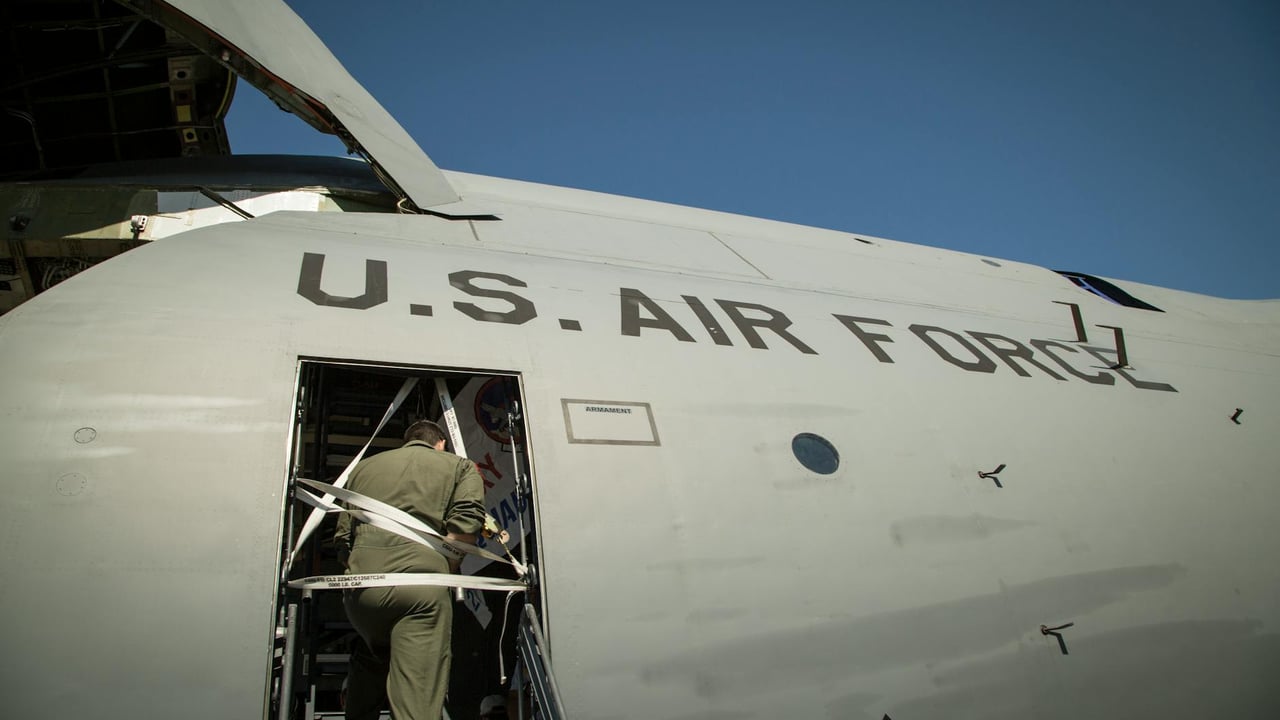
US Air Force personnel loading cargo into a military transport aircraft.

Key Takeaways

  • 1Seven personnel, including four US service members and three contractors, suffered minor injuries in the May 27 attack.
  • 2Kuwaiti military forces successfully intercepted the Iranian ballistic missile, preventing a more catastrophic outcome.
  • 3The attack was followed by reports of additional drone and missile activity the next morning.
  • 4All injured personnel were cleared to return to duty within 24 hours of the incident.
  • 5The strike represents a notable shift in targeting, as Kuwait is often considered a more stable logistical rear-area compared to Iraq or Syria.

Editor's
Desk

Strategic Analysis

This strike on a US installation in Kuwait represents a calculated 'gray zone' provocation intended to test the political and military resolve of the Gulf Cooperation Council (GCC). By targeting a logistical hub like Kuwait, Tehran is likely attempting to demonstrate that no US partner in the region is beyond its reach, thereby increasing the domestic political cost for Arab states hosting American forces. The success of the Kuwaiti interception is a tactical win for regional defense integration, but the multi-wave nature of the attack—including drones—suggests that Iran is refining its ability to saturate sophisticated defense systems. For the United States, this event underscores the fragility of its 'hub-and-spoke' basing model in the Middle East and may accelerate calls for more robust, automated regional missile defense cooperation.

China Daily Brief Editorial
Strategic Insight
China Daily Brief

A recent ballistic missile strike targeting a United States airbase in Kuwait has marked a significant escalation in regional tensions, despite resulting in only minor casualties. On May 27, a missile launched from Iran forced local and American forces into a high-alert defensive posture, highlighting the persistent volatility of the Middle East security landscape. While the attack resulted in light injuries to four U.S. service members and three contractors, the swift return of these personnel to duty suggests the physical impact was limited.

The engagement served as a critical test for the regional security architecture, as Kuwaiti military forces successfully intercepted the primary ballistic threat. This successful defense underscores the growing importance of integrated air defense systems among Gulf partners, who have increasingly invested in counter-missile technology. However, reports of subsequent drone and missile activity the following morning indicate a sustained effort by Iranian forces to probe for vulnerabilities in these defensive perimeters.

Historically, Kuwait has served as a stable logistical hub for American regional operations, often perceived as being shielded from the direct heat of Iran-US friction. By extending the reach of its missile strikes to include Kuwaiti territory, Tehran is signaling that the geographical boundaries of conflict are fluid. This development forces a strategic reassessment for US allies in the region, who must now balance the benefits of hosting American assets against the heightened risk of becoming targets themselves.

Share Article

Related Articles

📰
No related articles found