
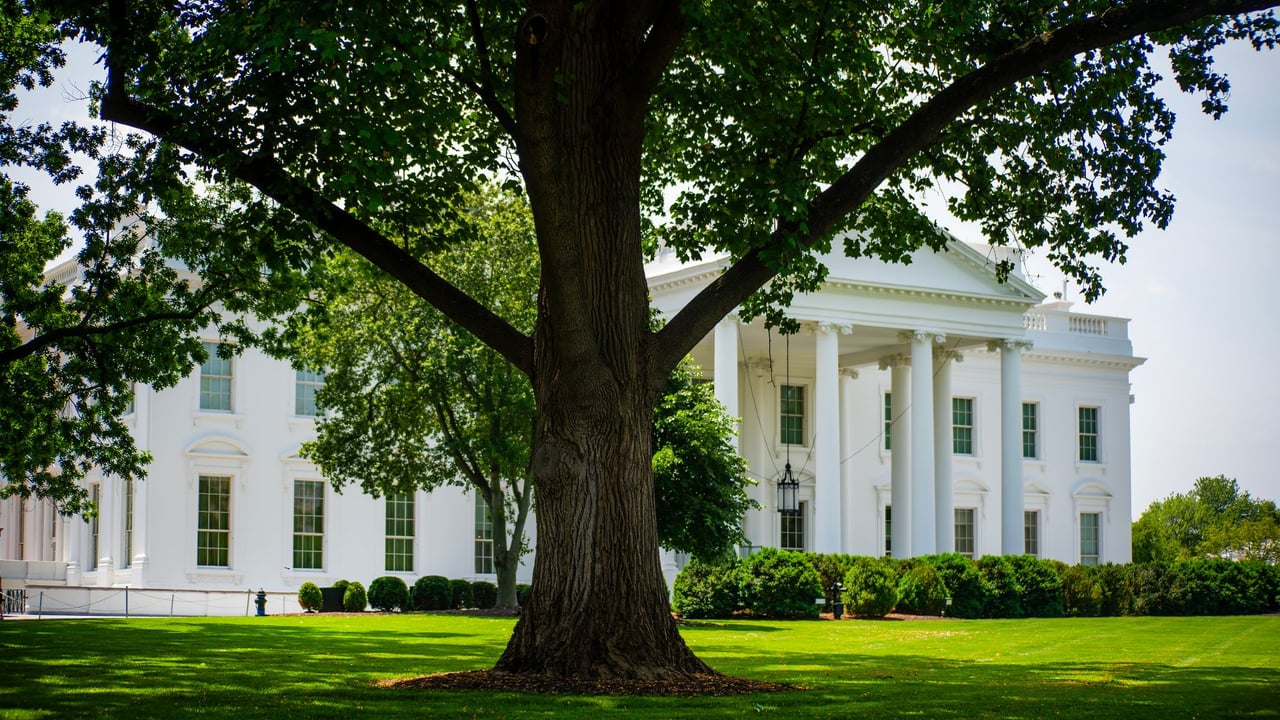

Donald Trump has significantly raised the stakes in his administration’s efforts to finalize a peace agreement with Iran, pivoting toward a more aggressive negotiating stance. Following a high-level briefing in the White House Situation Room, the President has reportedly modified the existing memorandum of understanding, hardening terms that were already under consideration by Tehran. This strategic shift appears aimed at breaking a diplomatic deadlock that has persisted despite months of quiet back-channel communication.
The new proposal introduces stringent conditions that target the core of Iran’s regional leverage and its nuclear infrastructure. Central to the revised text is a demand for the unconditional, toll-free opening of the Strait of Hormuz and the total removal of maritime mines. Furthermore, the President is now insisting on the literal excavation and destruction of Iran’s deeply buried uranium enrichment facilities, a move that goes far beyond previous monitoring agreements.
Internal reports suggest that the President’s frustration stems from two primary factors: the perceived lethargy of the Iranian leadership in responding to previous overtures and concerns over the specific mechanisms for unfreezing Iranian assets. By tightening the screws now, the White House likely intends to force a decision from Iran’s Supreme Leader, Mojtaba Khamenei, who is currently reviewing the framework. The administration seems to be betting that 'maximum pressure' can still extract a 'better deal' than the one currently on the table.
Tehran’s response remains characteristically guarded, with the Foreign Ministry acknowledging ongoing exchanges while emphasizing that a final consensus is far from reach. As the President takes to social media to reiterate that a nuclear-armed Iran is a non-starter, the geopolitical tension in the Persian Gulf remains at a fever pitch. The coming weeks will determine whether this latest gambit leads to a historic breakthrough or a total collapse of the current diplomatic track.