Silicon Shift: NVIDIA’s PC Ambitions Ignite a Tech Rally Across Greater China

NVIDIA CEO Jensen Huang's latest keynote has sparked a massive rally in Hong Kong-listed tech stocks, signaling a market-wide embrace of the AI PC era. The shift marks a strategic pivot toward local AI hardware, disrupting traditional PC architectures and boosting the entire electronics supply chain.

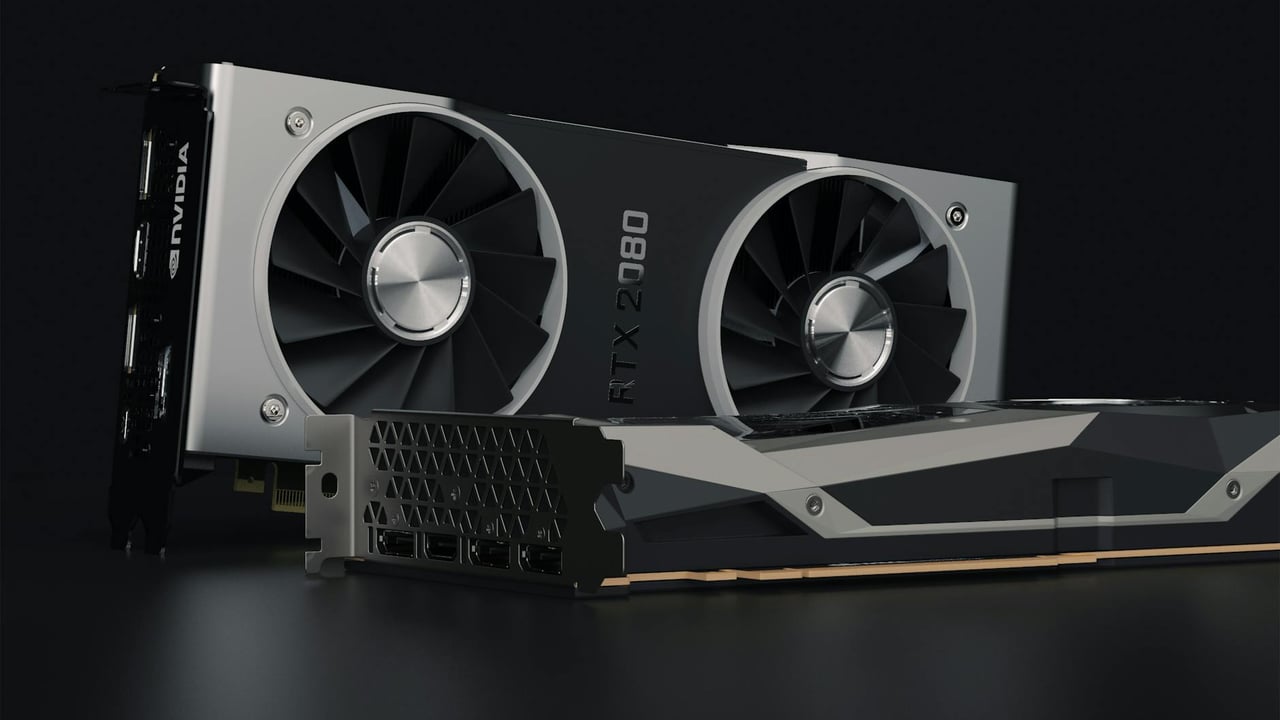
Detailed close-up image of NVIDIA RTX 2080 graphics card showcasing hardware components.

Key Takeaways

  • 1NVIDIA CEO Jensen Huang’s GTC keynote triggered a surge in Hong Kong’s information technology indices.
  • 2Major tech players like Lenovo, Meitu, and Kingdee saw share price increases between 7% and 15%.
  • 3A strategic partnership between NVIDIA, Microsoft, and Arm is poised to challenge Intel’s dominance in the Windows ecosystem.
  • 4The electronics supply chain is seeing increased demand for specialized components like PCBs and advanced packaging to support AI hardware.
  • 5Industry analysts forecast sustained growth for the digital chip and semiconductor sectors through mid-2026.

Editor's
Desk

Strategic Analysis

The 'AI PC' explosion represents more than just a marketing buzzword; it is a fundamental shift in the global semiconductor hierarchy. For decades, the PC market was defined by the incremental evolution of the x86 architecture. By pairing NVIDIA’s graphics and AI prowess with Arm’s energy efficiency under a Microsoft Windows framework, the industry is effectively bypassing traditional bottlenecks. For Greater China's tech ecosystem, this transition is critical. While Chinese firms remain subject to certain high-end chip restrictions, their dominance in the mid-to-upstream supply chain—particularly in PCB manufacturing and device assembly—ensures they remain indispensable partners in NVIDIA’s hardware rollout. This rally suggests that markets believe the 'AI PC' will be the primary driver of hardware revenue for the next half-decade, overshadowing the cooling smartphone market.

China Daily Brief Editorial
Strategic Insight
China Daily Brief

The personal computing landscape is undergoing its most radical transformation in decades as Jensen Huang, CEO of NVIDIA, takes the stage in Taipei. His keynote at the GTC 2026 conference has served as a powerful catalyst for a sector-wide rally, signaling the arrival of the 'AI PC' era. Investors are betting heavily that the integration of generative AI into local hardware will trigger a massive replacement cycle, ending years of stagnation in the global PC market.

In Hong Kong, the impact was immediate and pronounced. The Hang Seng Tech Index saw significant gains, led by hardware and enterprise software giants. Kingdee International and Meitu both surged nearly 15%, while Lenovo, the world’s largest PC maker, climbed over 7%. This market enthusiasm reflects a growing consensus that the traditional 'Wintel' duopoly is being challenged by a new power triad: NVIDIA, Microsoft, and Arm. This alliance aims to bring high-performance, energy-efficient AI capabilities directly to Windows-based laptops and desktops.

The strategic significance of this shift lies in the hardware's 'content value.' As AI moves from the cloud to the edge, the demand for sophisticated components is skyrocketing. Major Chinese tech players like Xiaomi and Lenovo are positioning themselves as the primary distributors of this new architecture. Meanwhile, the broader supply chain—encompassing printed circuit boards (PCBs), multi-layer ceramic capacitors (MLCCs), and advanced packaging—is seeing a surge in orders to support the specialized silicon required for on-device machine learning.

Looking ahead, research institutions suggest that the electronics industry is entering a sustained growth phase through 2026. While the sector has faced headwinds in recent years, the 'AI PC' represents a structural opportunity rather than a cyclical fluke. By embedding NVIDIA-powered neural processing units (NPUs) into standard consumer devices, the industry is effectively redefining the computer from a mere productivity tool into a proactive digital assistant, fundamentally altering the value proposition for global consumers.

Share Article

Related Articles

📰
No related articles found