Echoes of History: Israel Seizes Beaufort Castle in Deepest Lebanon Push for a Generation

Israel has seized the strategic Beaufort Castle in southern Lebanon, marking its deepest territorial advance in over 25 years. The move aims to establish a permanent security zone but risks dragging the IDF into a long-term war of attrition while drawing international criticism for the occupation of a cultural heritage site.

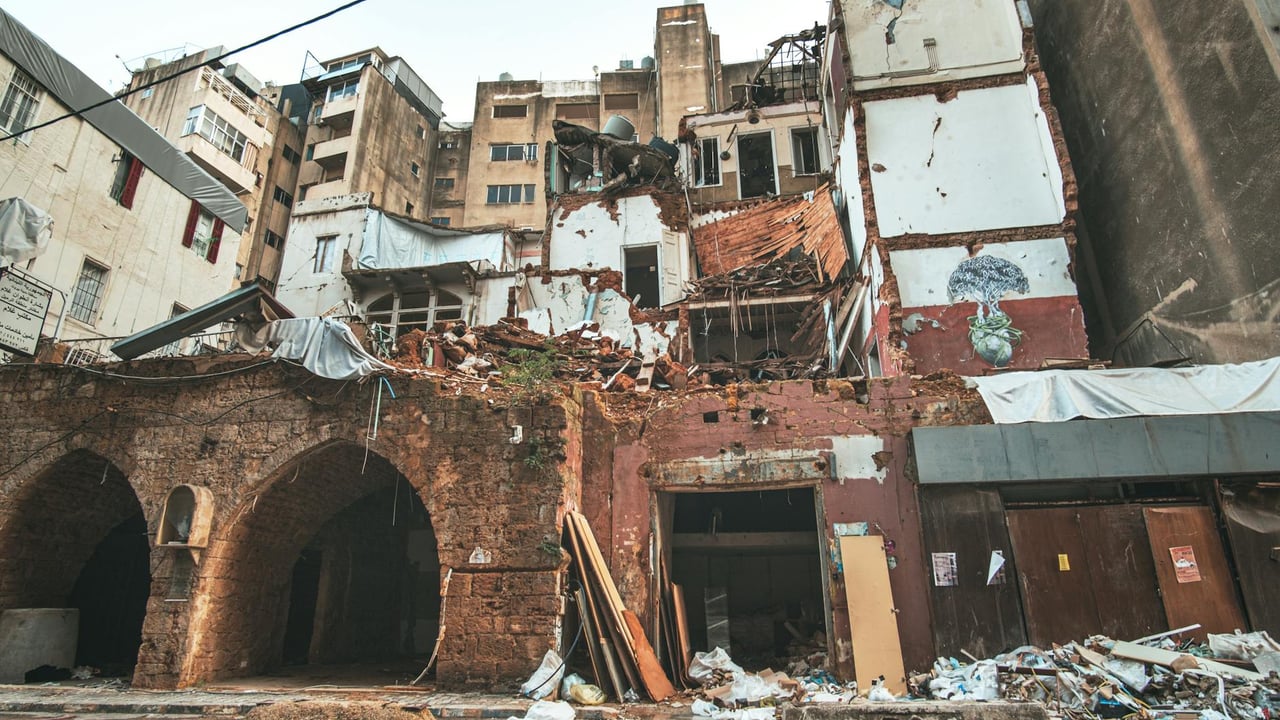
A striking view of damaged buildings in downtown Beirut, showcasing resilience amidst destruction.

Key Takeaways

  • 1The IDF has occupied the strategic Crusader-era Beaufort Castle and the Saluki River area.
  • 2Defense Minister Katz confirmed the establishment of a permanent security zone within Lebanese territory.
  • 3This operation marks the deepest Israeli military push into Lebanon since the late 1990s.
  • 4Experts warn of a potential quagmire similar to the 18-year occupation that ended in 2000.
  • 5UNESCO and Lebanese officials are protesting the military use and endangerment of historical heritage sites.

Editor's
Desk

Strategic Analysis

The seizure of Beaufort Castle is more than a tactical victory; it is a symbolic and strategic reset to the pre-2000 status quo. By establishing a 'security zone' within Lebanon, Israel is prioritizing immediate tactical depth over long-term diplomatic stability, effectively betting that a buffer zone can provide the security that technology and intelligence have failed to guarantee. However, this strategy historically invites asymmetric warfare, as Hezbollah thrives in the role of a resistance force against an occupying power. The international community's focus on the cultural heritage of the castle may provide a unique diplomatic lever, but on the ground, the transition from a mobile offensive to a static occupation typically shifts the advantage back toward localized guerrilla forces.

China Daily Brief Editorial
Strategic Insight
China Daily Brief

The capture of the medieval Beaufort Castle by Israeli ground forces on May 31, 2026, marks a pivotal and dangerous escalation in the conflict along the Blue Line. This strategic fortress, a Crusader-era relic perched atop a ridge in southern Lebanon, now serves as the anchor for what the Israeli Defense Forces (IDF) describe as an expanded 'forward defense line.' The operation represents the deepest Israeli military penetration into Lebanese territory in over 25 years.

Israeli Defense Minister Katz has signaled that this is not a temporary incursion, confirming that troops will remain stationed at the site to administer a new security zone within Lebanese borders. In a statement on social media, Katz emphasized that the objective is the total dismantling of Hezbollah’s long-standing infrastructure. By occupying these high-altitude vantage points, the IDF aims to neutralize the tactical advantage held by militants operating in the Saluki River basin.

However, regional analysts warn that the tactical brilliance of seizing high ground may be offset by the strategic cost of a long-term occupation. Fawaz Gerges, a professor of international relations at the London School of Economics, suggests that a deep territorial grab risks pulling Israel into a 'tug-of-war' or a war of attrition. History weighs heavily on this move, as the previous Israeli presence in the region became a decades-long quagmire that eventually led to a unilateral withdrawal in 2000.

Beyond the military implications, the occupation of a UNESCO-protected site has triggered international condemnation. Lebanese Culture Minister Salame and UNESCO officials have expressed grave concern over the 'serious danger' posed to the 900-year-old fortress. International law strictly prohibits the use of historical monuments for military purposes, yet the castle’s strategic position makes it an almost irresistible asset for commanders on the ground.

Share Article

Related Articles

📰
No related articles found