Throttling the Gulf: US Maritime Blockade of Iran Forces Massive Shipping Reroutes

US Central Command has confirmed an active maritime blockade against Iran, impacting 123 vessels to date. The operation, involving the USS Milius, has forced significant rerouting of international shipping and signals a major escalation in US-Iran tensions.

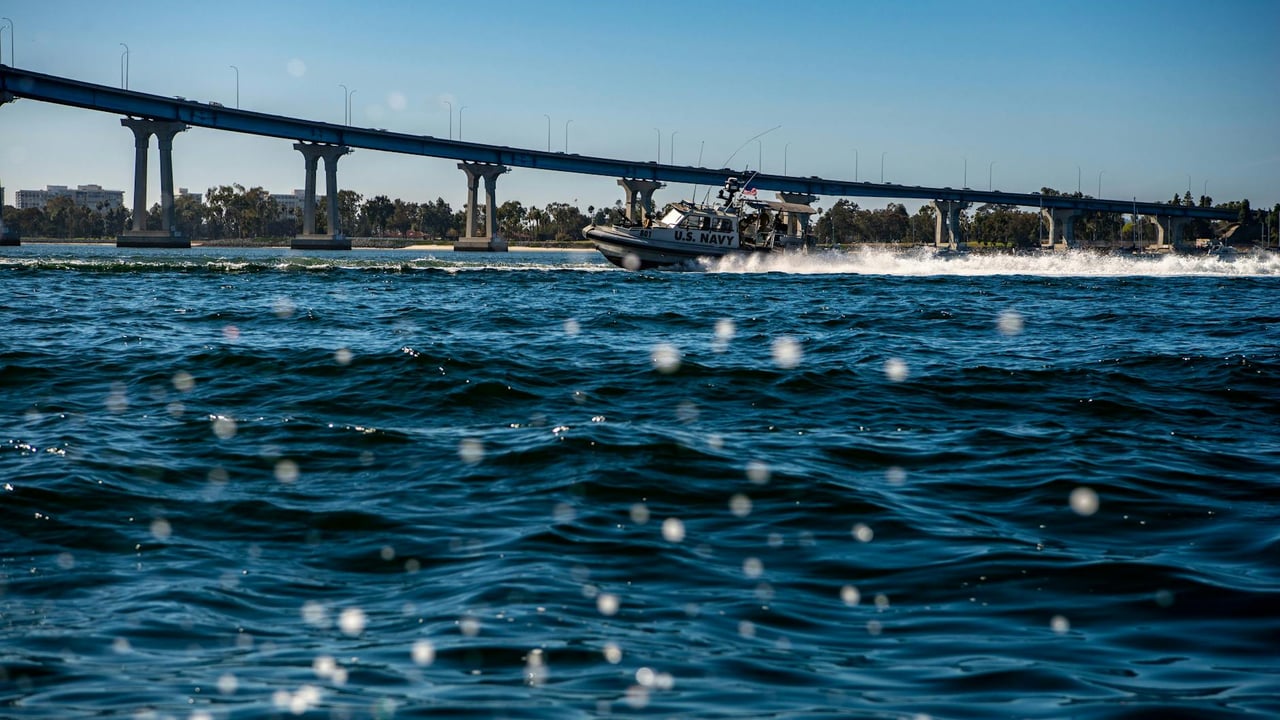
Navy patrol boat speeding under a bridge, creating waves and ripples in the water.

Key Takeaways

  • 1US Central Command confirms 118 commercial ships have been forced to change routes due to the blockade.
  • 2Five vessels have been rendered 'immobile' or 'incapable of operation' by US naval forces.
  • 3The USS Milius is identified as a primary asset in the ongoing maritime enforcement operation.
  • 4The total impact of the blockade has reached 123 vessels as of May 31, 2026.
  • 5This shift represents a transition from economic sanctions to direct physical interdiction in the Persian Gulf.

Editor's
Desk

Strategic Analysis

The shift toward a physical blockade of Iran marks a 'Rubicon' moment in Middle Eastern geopolitics. Unlike previous 'maximum pressure' campaigns that relied on financial systems and secondary sanctions, this strategy utilizes naval superiority to create a de facto exclusion zone. The 'disabling' of five ships is particularly significant, suggesting that the US is now willing to engage in gray-zone or direct kinetic actions to enforce its policy. This strategy carries immense risks: it could prompt Iranian retaliation in the Strait of Hormuz or lead to a broader maritime conflict that would shatter global energy stability. For China and other major energy importers, this blockade represents a direct challenge to the principle of 'freedom of navigation' that the US has historically claimed to defend.

China Daily Brief Editorial
Strategic Insight
China Daily Brief

The waters of the Persian Gulf have transformed into a theater of high-stakes maritime enforcement as the United States intensifies its physical containment of Iranian interests. At the center of this operation is the USS Milius, a guided-missile destroyer currently spearheading a blockade that signals a dramatic departure from traditional surveillance toward active interdiction. This naval campaign represents the most significant escalation in regional maritime policy in recent years, aiming to sever Tehran’s economic and logistical lifelines.

Recent data released by US Central Command (CENTCOM) highlights the far-reaching impact of these operations on global commerce. As of late May 2026, the blockade has successfully forced 118 commercial vessels to abandon their planned trajectories and seek alternative routes. Furthermore, the military has reported that five vessels have been rendered 'incapable of operation,' bringing the total number of ships impacted by US naval intervention to 123.

This aggressive posture indicates that Washington has moved beyond mere sanctions and into the realm of kinetic and electronic maritime denial. By physically obstructing the passage of goods and resources, the US is testing the limits of international maritime law and regional patience. The disruption of these shipping lanes, vital for global energy supplies, suggests a calculated risk by the Pentagon to achieve strategic dominance at the cost of increased market volatility.

For global shipping firms, the Persian Gulf has become a zone of unpredictability and high overhead. The forced diversion of over a hundred ships underscores the logistical nightmare facing carriers who must now navigate around a tightening US perimeter. As insurance premiums spike and transit times lengthen, the economic fallout of this blockade is beginning to ripple far beyond the immediate coastlines of the Middle East.

Share Article

Related Articles

📰
No related articles found