

Pinduoduo Holdings (PDD) has entered its second decade by signaling a radical shift in its corporate DNA. The e-commerce giant’s first-quarter 2026 financial report reveals a striking divergence: while revenue surged 18% to 106.2 billion RMB, net profit attributable to shareholders fell by 15% to 12.5 billion RMB. This intentional erosion of margins, which triggered a 10% drop in its US-listed shares, marks the opening salvo of a 'three-year remaking' strategy aimed at transforming the platform from a marketing-driven marketplace into a supply-chain-centric titan.
The underlying metrics suggest a profound structural transformation. Transaction service revenue, which encompasses the firm's logistics and cross-border initiatives, now accounts for over half of total revenue, growing 20% year-on-year. This shift indicates that Pinduoduo’s growth engine is no longer solely fueled by advertising fees but by deep ecosystem integration. Despite the dip in net profit, core operating efficiency actually improved, with operating margins rising to 18.4% as the company tightened its internal management and optimized fulfillment networks.
Agricultural modernization remains the bedrock of this long-term play. Through the '2026 Duo Duo Good Specialties' initiative, the company is moving beyond simple sales to redesigning the entire agricultural value chain. In regions like Hainan and Guizhou, Pinduoduo is financing cold-chain infrastructure, standardized grading systems, and predictive data modeling to stabilize volatile crop prices. This vertical integration has turned niche products, like Guizhou’s matcha, into global exports, proving that the platform can elevate local producers into sophisticated brands.
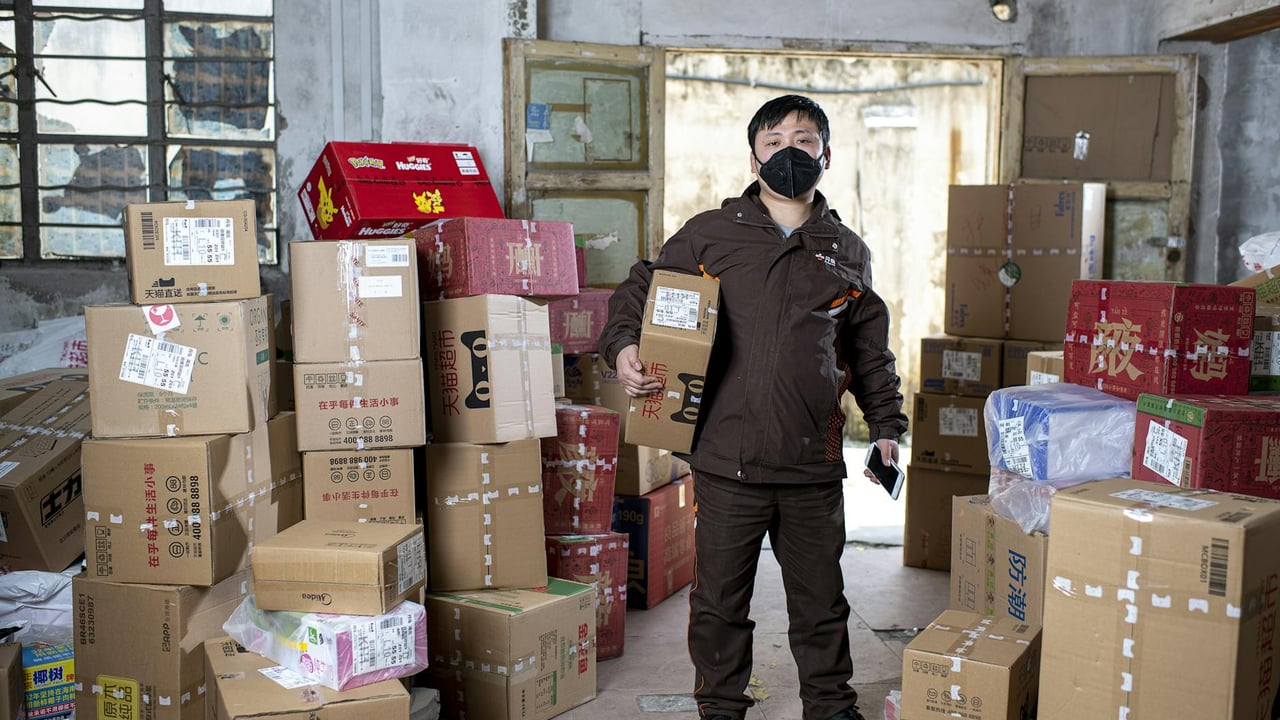
Simultaneously, Pinduoduo is tackling the 'last mile' problem of Chinese rural logistics—a persistent bottleneck for e-commerce penetration. By subsidizing the secondary transport of packages from county hubs to village collection points, the company has achieved a 70% coverage rate in pilot administrative villages. This move effectively unlocks latent consumption power in remote areas by eliminating the additional fees often charged to rural residents, thereby fostering a more stable and frequent online shopping habit among the country’s aging rural population.
On the global stage, the integration of Pinduoduo and Temu under the 'New Pinmu' strategy is reaching its maturity. With Temu now ranking as the world’s second-most visited e-commerce site, the company is leveraging this massive traffic to help Chinese factories transition from low-margin Original Equipment Manufacturing (OEM) to high-value branding. This transition requires significant capital for product design, compliance, and international warehousing, explaining the heavy pressure on the current quarter’s bottom line.
Management remains resolute in this 'long-termist' approach, describing the current phase as a necessary 'blade-inward' reform. By reinvesting billions into supply chain resilience and brand incubation, Pinduoduo is betting that it can survive a period of market skepticism to emerge as an indispensable global infrastructure provider. While investors may be spooked by the thinning margins, the company is effectively building a moat that its competitors, still focused on price wars and marketing spend, may find impossible to breach.