

The 2026 Greater Bay Area Auto Show in Shenzhen has signaled a profound shift in the automotive world, one where the traditional markers of luxury—fine leather, silent engines, and mechanical precision—are being rendered obsolete by the relentless march of Artificial Intelligence. Industry leaders gathered at the Future Auto Pioneer Conference suggest that the car is no longer a machine but a 'durable electronic consumer product.' This transition is accelerating at a pace that mirrors the smartphone industry, with development cycles shrinking from four years to just twelve months.
Cui Dongshu, Secretary General of the China Passenger Car Association, offered a stark warning to legacy marques: the era of 'absolute luxury' is over. In his view, the distinction between high-end and entry-level vehicles will soon be determined solely by the sophistication of the intelligent experience rather than mechanical superiority. This sentiment suggests an impending collapse for ultra-luxury brands that fail to pivot from hardware-centric prestige to software-driven cognitive intelligence.
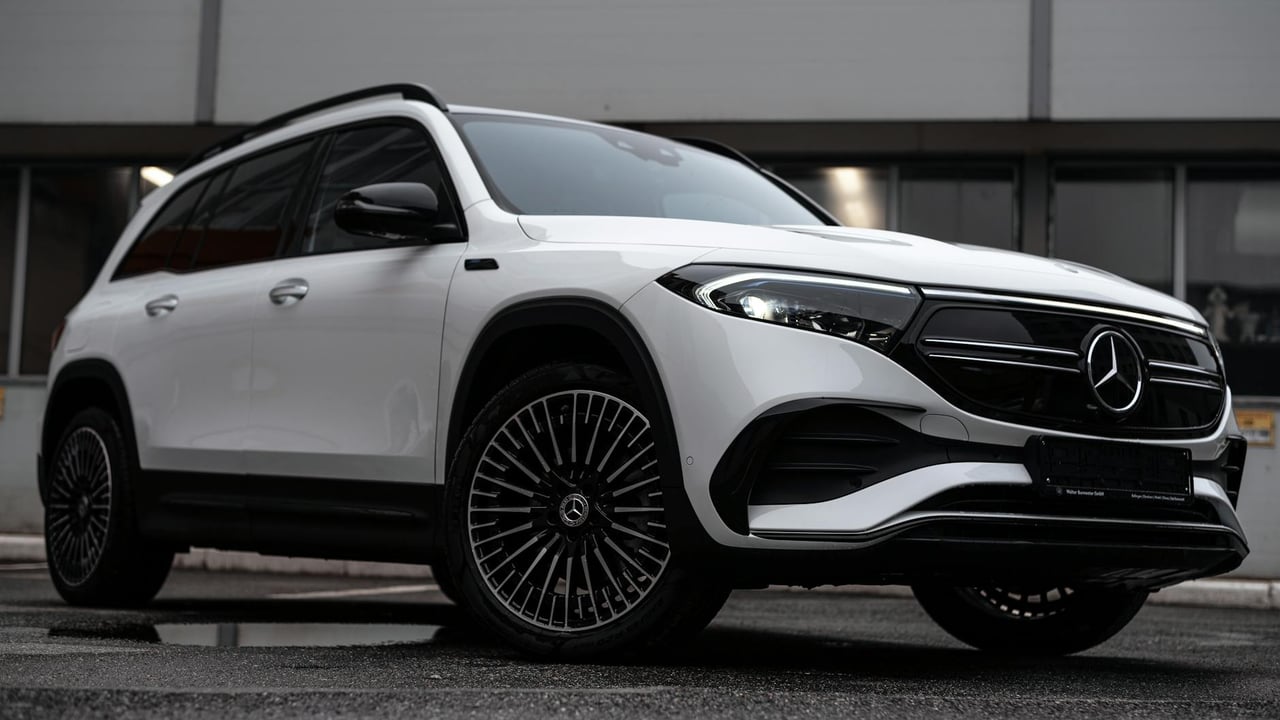
Legacy giants are not standing still. Mercedes-Benz is recalibrating its identity, shifting the definition of 'premium' from passive comfort to active, real-time interaction. Drummond Jacoy, a senior executive at Mercedes-Benz China, noted that the value of the rear seat—once a sanctuary of space and material—is now being redefined by AI-driven virtual assistants and point-to-point navigation. Notably, the German automaker is now leading global R&D projects out of its Chinese hubs, tapping into a local ecosystem of tech giants like Tencent and Baidu.
However, this transition faces a significant hurdle: a critical shortage of cross-disciplinary talent. Geely’s Vice President Li Chuanhai highlighted a growing divide in the workforce, where those who understand mechanical engineering often lack the skills to train AI models, and vice versa. As the industry enters this 'no man's land,' the cost of talent is skyrocketing, making it increasingly difficult for traditional carmakers to compete with specialized AI firms for the brightest minds.
As the hardware race hits a ceiling, with consumers seeing little difference between 700km and 1000km of range, the market is bracing for a 'brutal' period of consolidation. Nio founder William Li predicts a 'brand clarification period' where lagging technologies and redundant brands will be purged from the market. In this new landscape, survival will depend not on the amount of computing power or battery life a manufacturer can pack into a frame, but on the strength of the brand’s core identity and its ability to seamlessly integrate AI into the daily lives of its users.