Redefining the Northern Front: Israel’s Escalation in Lebanon Strains Ties with European Allies

Israel's capture of the strategic Beaufort Ridge in southern Lebanon has triggered sharp criticism from the UK and Germany, who warn of a mounting humanitarian crisis. Prime Minister Netanyahu has signaled a major policy shift toward a multi-front military expansion, raising fears of a broader regional war.

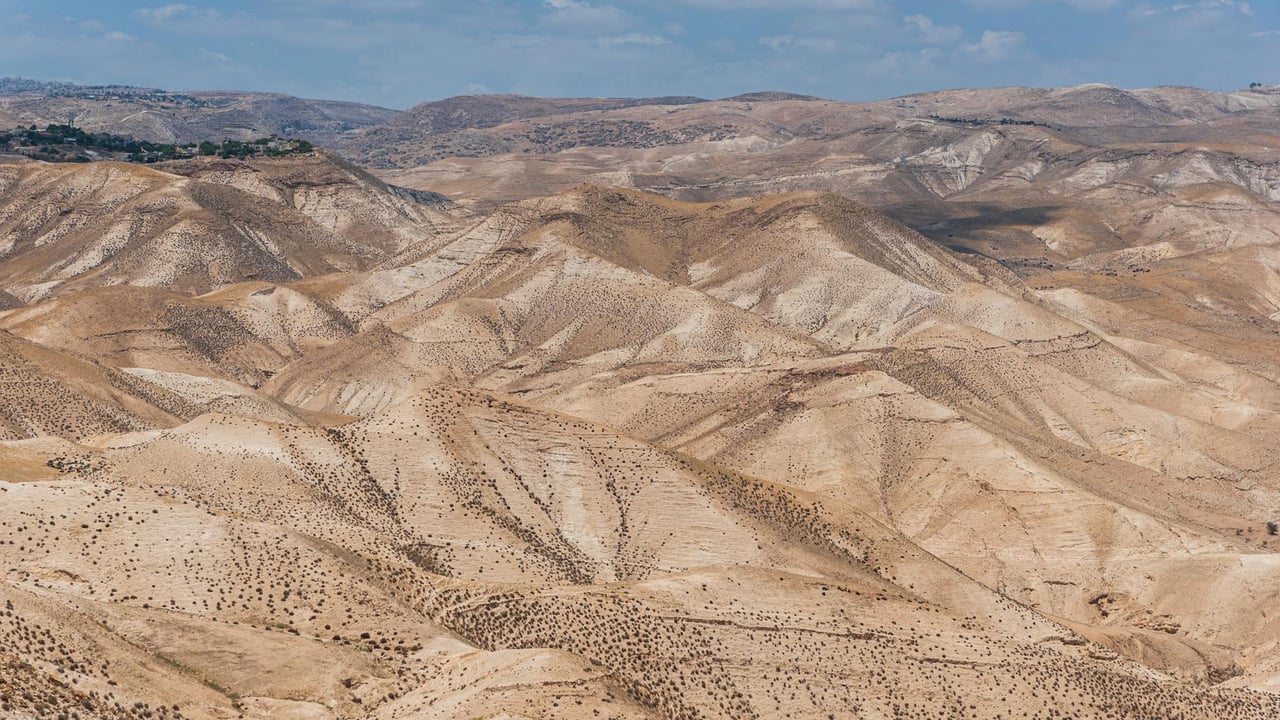
Scenic view of arid desert hills under a clear blue sky in Israel.

Key Takeaways

  • 1The Israeli military has seized the strategic Beaufort Ridge, signaling an expansion of operations into southern Lebanon.
  • 2UK Foreign Secretary Cooper condemned the escalation, citing civilian casualties and the destruction of critical infrastructure.
  • 3Germany warned that making parts of Lebanon uninhabitable will undermine Israel's long-term security interests.
  • 4Prime Minister Netanyahu confirmed a 'major shift' in policy, targeting multiple fronts including Lebanon, Syria, and Gaza.
  • 5European allies are increasingly calling for all parties to respect ceasefire agreements and engage in sincere negotiations.

Editor's
Desk

Strategic Analysis

The capture of Beaufort Ridge is more than a tactical win; it is a symbolic and strategic escalation that signals Israel's willingness to re-occupy or maintain a long-term buffer zone in southern Lebanon. Netanyahu's 'multi-front' rhetoric suggests that the Israeli defense establishment is currently operating under a doctrine of 'total deterrence,' attempting to degrade threats in Lebanon, Syria, and Gaza simultaneously. This approach, however, pushes European allies like the UK and Germany into a corner, forcing them to balance their support for Israel's defense against the increasingly indefensible humanitarian costs. The long-term risk is that by achieving tactical dominance today, Israel may be sowing the seeds of deeper regional resentment and a permanent state of high-intensity conflict that no amount of territorial gain can fully mitigate.

China Daily Brief Editorial
Strategic Insight
China Daily Brief

The capture of the historic Beaufort Ridge by Israeli forces marks a significant and dangerous turning point in the conflict along the Blue Line. Prime Minister Benjamin Netanyahu’s declaration of a "major shift" in policy suggests that the Israeli military is moving beyond containment toward a broader, more aggressive posture. By seizing this strategic high ground, Israel has signaled its intent to deepen its footprint within Lebanese territory, a move that aims to dismantle Hezbollah’s infrastructure but risks a full-scale regional conflagration.

This tactical advancement has met with sharp rebukes from London and Berlin, highlighting a widening rift between Israel and its traditional European partners. British Foreign Secretary Cooper has characterized the escalation as a primary driver of civilian displacement and infrastructure destruction, demanding an immediate return to ceasefire protocols. While the UK continues to call for the disarmament of Hezbollah, its tone reflects growing impatience with the humanitarian toll of Israel’s military solutions.

Germany’s Foreign Ministry has echoed these concerns, framing the military escalation as counterproductive to Israel’s own long-term security. Foreign Minister Walderfuer argued that while Israel’s security interests are legitimate, the creation of "uninhabitable" zones in southern Lebanon will not result in a safer neighborhood. This perspective underscores a fundamental disagreement over the efficacy of scorched-earth tactics in achieving regional stability or curbing the influence of non-state actors like Hezbollah.

Prime Minister Netanyahu remains undeterred, framing the northern offensive as part of a comprehensive multi-front strategy encompassing Gaza and Syria. This proactive stance suggests that the Israeli leadership perceives a window of opportunity to fundamentally reshape its borders before international pressure forces a diplomatic freeze. However, as the military operation expands, the risk of miscalculation grows, potentially drawing in state actors and further destabilizing an already fragile Middle East.

Share Article

Related Articles

📰
No related articles found