The Great Relay: Inside China’s Strategic Campaign to Inoculate the Next Generation with ‘Red Genes’

China is intensifying its 'Red Education' initiatives to ensure ideological loyalty among the youth, using personal engagement from President Xi Jinping and immersive programs to turn students into 'revolutionary successors.' These efforts, spanning from Shanghai's urban centers to rural Shaanxi, aim to institutionalize the party's history as a core component of national identity.

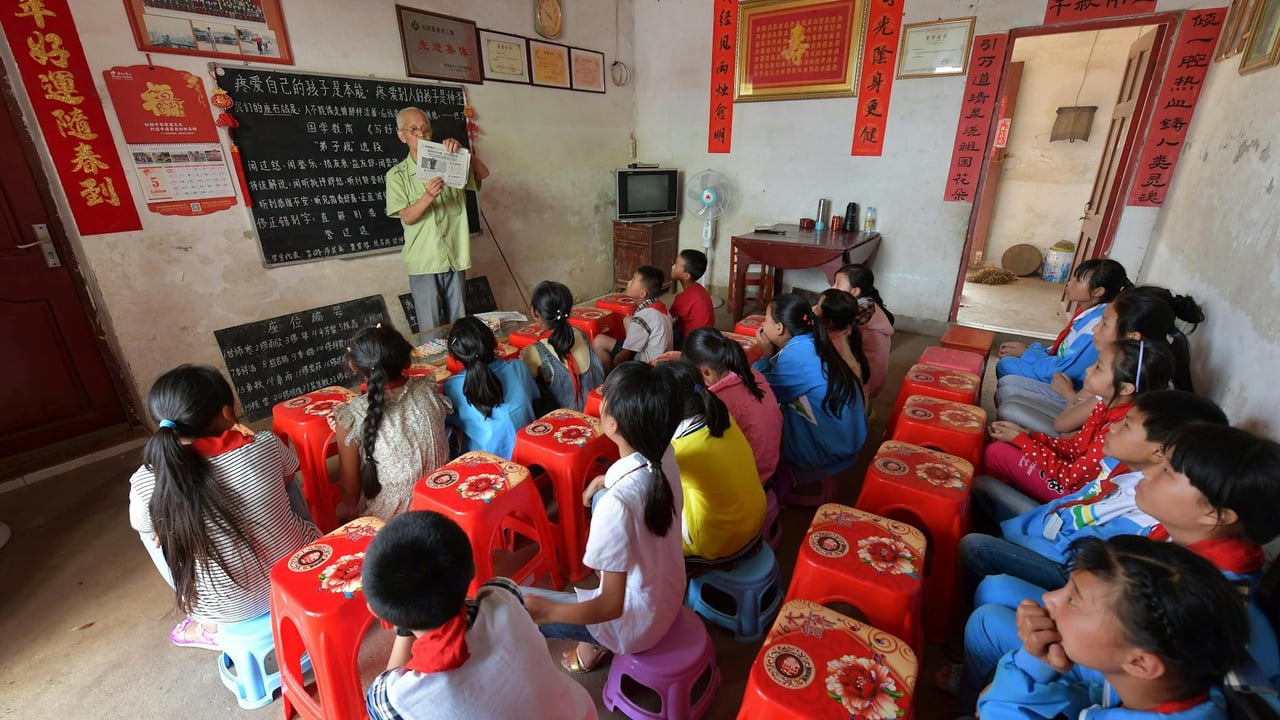
Children attentively listening to a teacher in a rural classroom setting in Jiangxi, China.

Key Takeaways

  • 1President Xi Jinping is personally leading the charge on 'Red Education' through direct correspondence with primary school students.
  • 2The 'Red Scarf' guide program in Shanghai demonstrates a shift toward students actively producing and performing party narratives rather than just memorizing them.
  • 3Investment in 'Red Army' schools in rural areas like Shaanxi links modern infrastructure improvements directly to the preservation of revolutionary history.
  • 4The 105th anniversary of the CPC (2026) and the 90th anniversary of the Long March are being used as key milestones to accelerate patriotic curriculum updates.
  • 5The overarching goal is to ensure the 'Red Gene'—the party's ideological foundation—is passed down to ensure the long-term stability of the party-state.

Editor's
Desk

Strategic Analysis

The CPC's focus on 'Red Genes' represents a sophisticated form of cultural and political reproduction aimed at neutralizing long-term threats to its legitimacy. By targeting children at the primary level, the party is effectively building an 'ideological immune system' designed to resist Western liberal values and the potential softening of party loyalty that often occurs as societies become more affluent. This is not merely nostalgia; it is a forward-looking strategy of 'soft power' focused internally. The emphasis on 'relay races' and 'succession' highlights the party's acute awareness of the generational gap and its determination to bridge it by making revolutionary history a living, breathing part of modern Chinese identity. In the strategic context, this suggests that the party is doubling down on ideological purity as the primary qualification for future leadership and social advancement.

China Daily Brief Editorial
Strategic Insight
China Daily Brief

As the Chinese Communist Party (CPC) approaches its 105th anniversary in 2026, the focus on ideological continuity has shifted from the halls of power to the classroom. Beijing is intensifying its 'Red Education' campaign, a top-down mandate designed to ensure that the party’s revolutionary history is not merely remembered, but internalized by the 'Generation Alpha' that will eventually lead the country. This effort is underscored by personal interventions from President Xi Jinping, who recently sent letters to youth organizations, framing their education as a high-stakes 'history relay race.'

In Shanghai, the Luwan No. 1 Central Primary School serves as a premier model for this pedagogical strategy. Situated near the historic site of the First CPC National Congress, the school has spent two decades refining its 'Red Horn' program. Here, students are not just passive recipients of history; they are trained as active narrators. By translating dense party history into 'youth versions' and performing it in multiple languages and artistic formats, the school ensures that revolutionary dogma becomes a source of personal pride and professional confidence for its pupils.

This ideological grooming extends far beyond the cosmopolitan centers of Shanghai. In the rugged terrain of Shaanxi province, the Zhaojin Beiliang Red Army Primary School represents the 'revolutionary base' wing of this initiative. Once a struggling rural outpost, the school has been revitalized with modern infrastructure—a tangible reward for its commitment to preserving the memory of the Long March. The school’s curriculum, which includes 'Red Songs' and site-specific history lessons, seeks to link the physical improvements of the present to the sacrifices of the past, creating a narrative of gratitude toward the party.

The pedagogical shift is clear: the state is moving away from rote memorization toward a more immersive, identity-based form of patriotism. Graduates of these programs, such as those now entering the legal profession or preparing for university, describe their 'Red' upbringing not as a political burden but as a moral compass. This internalizing of party values—the 'Red Gene'—is seen by the leadership as a necessary safeguard against the ideological drift that often accompanies economic modernization and exposure to global influences.

Share Article

Related Articles

📰
No related articles found