Closing the Treatment Gap: Weiguang Biological Advances Hemophilia B Candidate in China

Weiguang Biological has received regulatory approval to begin clinical trials for Human Coagulation Factor IX, targeting Hemophilia B. This development marks a significant step in China's domestic rare disease treatment capabilities, though the company warns of the long-term risks inherent in drug development.

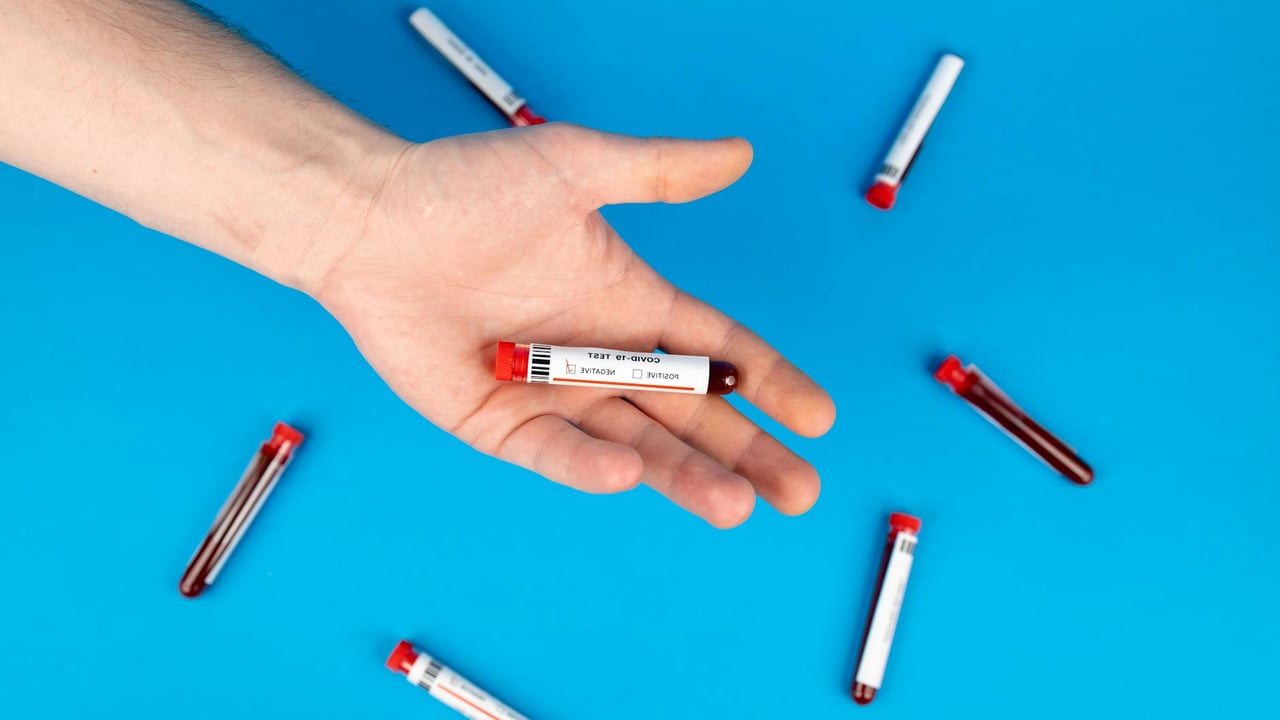
Close-up of a hand holding a blood sample vial on blue background, representing COVID-19 testing.

Key Takeaways

  • 1The NMPA has granted Weiguang Biological approval to begin clinical trials for Human Coagulation Factor IX.
  • 2The drug candidate targets Hemophilia B, a rare condition that causes spontaneous or prolonged bleeding.
  • 3The project aligns with China's strategic push to improve domestic treatment options for rare 'orphan' diseases.
  • 4Weiguang Biological warned investors that clinical trials are subject to long cycles and high uncertainty.

Editor's
Desk

Strategic Analysis

The approval for Weiguang Biological’s Coagulation Factor IX is more than just a corporate milestone; it is a reflection of China’s shifting healthcare priorities. For years, the Chinese blood products market was dominated by albumin and immunoglobulin, while specialized factors for rare diseases were often neglected or imported at high costs. Weiguang’s move into the Hemophilia B space suggests that the domestic industry is maturing, moving toward higher-value, specialized biologics that cater to niche patient populations. From a strategic perspective, this strengthens China's 'blood security' by fostering a domestic supply of essential proteins, reducing vulnerability to global supply chain fluctuations in the plasma market. The 'so what' for global observers is the continued rise of Chinese domestic firms in the rare disease space, which may eventually challenge the market share of international biopharma giants in the Asia-Pacific region.

China Daily Brief Editorial
Strategic Insight
China Daily Brief

Shenzhen-based Weiguang Biological has secured a pivotal regulatory green light as the National Medical Products Administration (NMPA) approved clinical trials for its Human Coagulation Factor IX. This therapy is designed specifically to treat bleeding episodes in patients suffering from Hemophilia B, a rare genetic disorder characterized by a deficiency in clotting factors. For a company deeply rooted in the blood products sector, this approval represents a strategic expansion of its therapeutic pipeline.

The development comes at a time when China is intensifying its focus on rare diseases, historically an underserved segment of its massive healthcare market. Hemophilia B patients in China have long faced challenges regarding the availability and affordability of factor replacement therapies. By advancing a domestic candidate, Weiguang is positioning itself to address a critical void in the domestic supply chain for plasma-derived treatments.

However, the company has maintained a cautious stance regarding the timeline for commercialization. In its disclosure, Weiguang noted that pharmaceutical research and development is a high-risk, multi-stage process with significant uncertainties. The path from clinical trial approval to market entry involves rigorous testing phases where the consistency of clinical data and regulatory hurdles can often delay or derail even the most promising candidates.

This move by Weiguang is indicative of a broader trend among Chinese biopharmaceutical firms to move beyond high-volume generics into specialized biologics. As the Chinese government streamlines the approval process for orphan drugs and life-saving treatments, companies with established plasma collection and processing capabilities are finding new avenues for growth. The success of this trial could ultimately reduce China’s reliance on imported coagulation factors.

Share Article

Related Articles

📰
No related articles found