
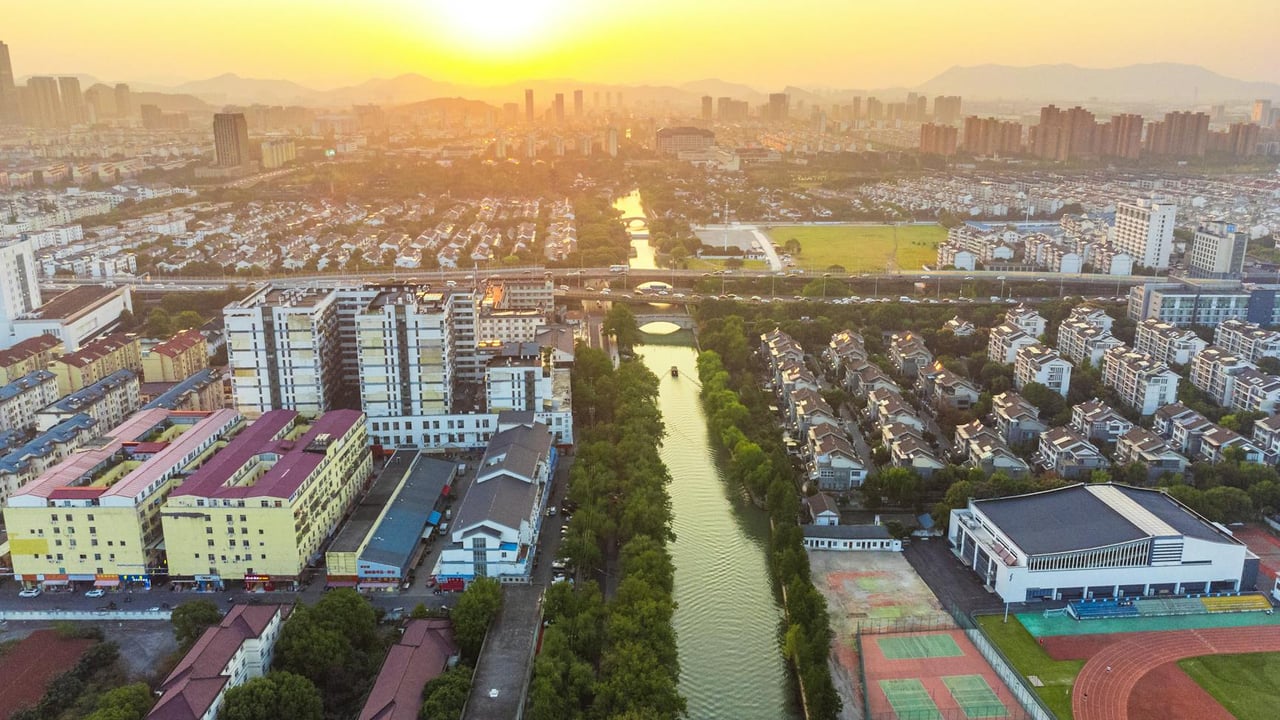

In the luxury showrooms of Hangzhou’s most exclusive real estate projects, the traditional image of the Chinese tycoon—clad in tailored suits and sporting luxury timepieces—is being replaced. Today, the buyers competing for units at the 'Wang Tianji' development, where asset verification alone requires a staggering 80 million RMB ($11 million), arrive in Arc’teryx jackets and Garmin sports watches. These are not real estate moguls or old-money heirs, but the 'golden engineers' of China’s surging high-tech manufacturing and semiconductor sectors.
This new wave of wealth is centered in the Suzhou-Hangzhou corridor, fueled by a series of 'phenomenal' IPOs in the semiconductor and AI infrastructure space. Lianxun Instrument serves as the archetype; its stock price soared 2,200% following its debut, transforming early employees into multi-millionaires. For many of these engineers and product managers, equity packages that once seemed like paper promises have suddenly materialized into enough cash to purchase luxury penthouses in Suzhou and Hangzhou without the need for a mortgage.
The scale of this wealth creation is poised to expand further with the impending listing of Changxin Storage (CXMT), China’s leading DRAM manufacturer. With a potential valuation exceeding 2 trillion RMB, the company’s employee stock ownership platform includes approximately 6,800 staff members. If market projections hold, this single IPO could generate an average of 23 million RMB in paper wealth per participant, signaling a massive transfer of capital from the capital markets to the domestic consumer and property sectors.
This phenomenon is the intended result of a twenty-year 'patient capital' strategy spearheaded by the Suzhou Industrial Park and state-backed venture capital firms like Yuanhe Holdings. By providing 'charitable' early-stage funding and building dense industrial ecosystems for integrated circuits and AI, local governments have successfully incubated a cluster of 'hard tech' giants. These companies are now reaching maturity, minting a new elite class of technical professionals who are deeply embedded in China’s strategic self-reliance narrative.
Ultimately, the destination for this newfound wealth remains remarkably traditional. Despite the high-tech origins of their fortunes, China’s new tech elite are following an age-old cultural reflex: securing their gains in 'bricks and mortar.' This has led to a localized 'tech-to-property' pipeline, where the volatility of the semiconductor market is hedged by the perceived stability of top-tier urban real estate, making the luxury housing market the ultimate beneficiary of China’s tech boom.