

The landscape of global wealth is undergoing a seismic shift that recalls the dawn of the first Gilded Age, yet operates on a scale previously confined to science fiction. When Forbes released its first American rich list in 1982, shipping magnate Daniel Ludwig sat at the pinnacle with a fortune of just over $2 billion. Today, that figure seems quaint as the world prepares for the transition from the era of billionaires to the advent of the trillionaire.
Since the late 1980s, the ceiling for personal wealth has been shattered repeatedly by the titans of the technological revolution. While Japanese real estate moguls dominated the early lists, the 1990s belonged to Bill Gates, who briefly touched the $100 billion mark during the dot-com boom. It took nearly two decades for Jeff Bezos to double that milestone, but even his meteoric rise has been eclipsed by the disruptive force of Elon Musk.
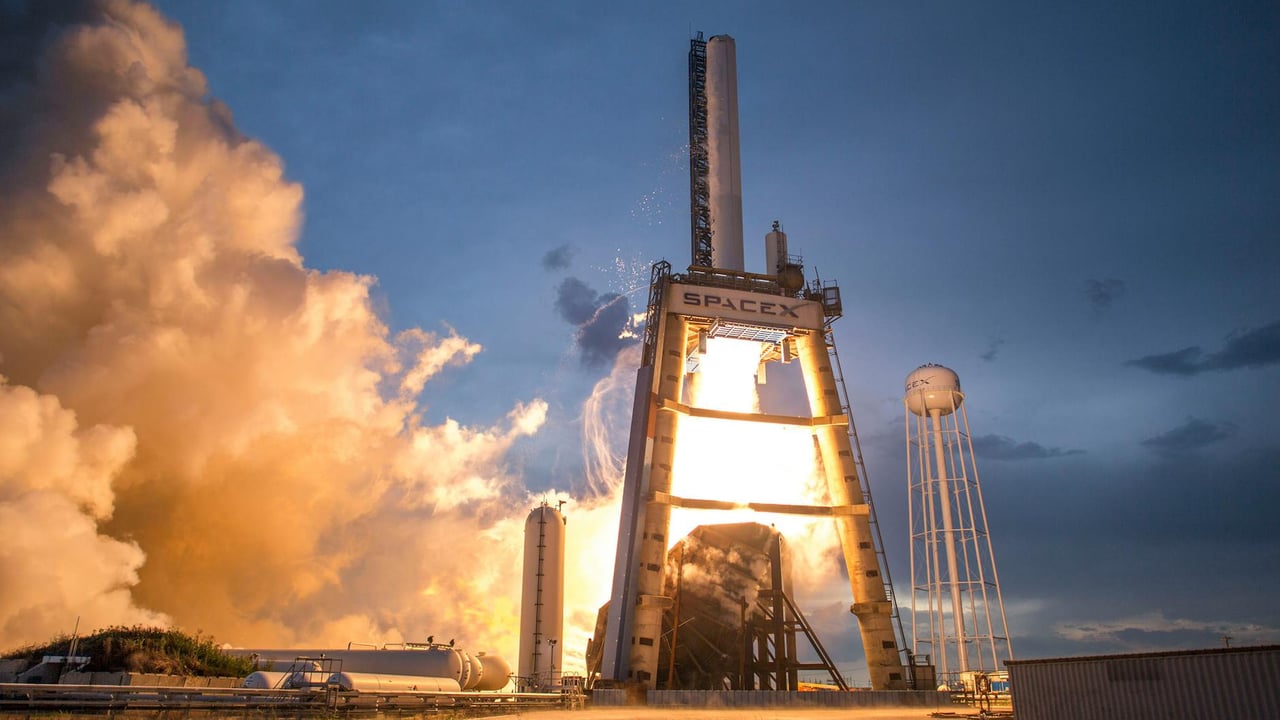
Musk’s wealth accumulation represents a departure from traditional industrial success, characterized by an unprecedented concentration of equity across multiple frontier sectors. By early 2026, the valuation of his aerospace venture, SpaceX, has surged toward $1.75 trillion ahead of its anticipated Nasdaq listing. This single entity, combined with his holdings in Tesla and the AI-focused xAI, positions Musk to become the first individual in history to control a trillion-dollar personal fortune.
The scale of this wealth creates a 'wealth gap' even among the world's elite, with Musk’s net worth now exceeding the combined assets of the bottom 693 billionaires. Unlike the oil and steel barons of old, modern tech giants benefit from a 'winner-takes-all' dynamic where marginal costs are low and global reach is instantaneous. Musk has further intensified this by vertically integrating social media, artificial intelligence, and space infrastructure into a singular, interconnected empire.
This concentration of capital has sparked a fierce debate over the role of the individual in modern society and the nature of philanthropy. Musk has famously rejected the traditional charitable models championed by peers like Bill Gates, whom he criticizes for bureaucratic inefficiency. Instead, Musk argues that reinvesting capital into 'existential' technologies—such as interplanetary travel and autonomous robotics—constitutes the highest form of human service.
However, the conversion of such vast capital into geopolitical influence remains a point of significant friction. Through the Starlink satellite network and the X platform, Musk has asserted himself into international conflicts and domestic political cycles, often bypassing traditional diplomatic channels. As he nears the trillion-dollar milestone, the question for global regulators is no longer just about market monopoly, but about the emergence of individual sovereignty that rivals the power of nation-states.